русский
 عربى
 中文简体


Absorbable Suture Material: Types, Absorption Times, and Clinical Selection Guide
Content
- 1 What absorbable suture material is
- 2 How absorption and strength loss work
- 3 Common types of absorbable suture material
- 4 Natural versus synthetic, braided versus monofilament
- 5 Matching the material to the clinical need
- 6 Handling, storage, and quality checks
- 7 Supporting consumables and sourcing decisions
- 8 Final thoughts
Absorbable suture material is one of those quiet workhorses of surgery. It holds tissue together long enough for healing to begin, then disappears without a second procedure. For procurement teams, clinicians, and distributors, the challenge is not simply choosing “an absorbable suture” but understanding how material, size, and handling affect the result. At ZY Medical, we spend our days making disposable medical consumables, so we tend to look at sutures through a practical lens: what the material does, where it fits, and what else belongs on the tray.
What absorbable suture material is
An absorbable suture is a thread-like implant made from a material that the body can break down over time. Unlike non-absorbable sutures, which remain in place and may need removal, absorbable options are designed to lose strength and gradually disappear as tissue heals. They are used in many soft-tissue closures, from skin and fascia to bowel and obstetric procedures.
The key phrase is “designed to.” Absorption is not instant, and it is not the same for every patient or every tissue. A suture that works well in a fast-healing mucosal layer may be a poor match for a slow-healing tendon sheath. That is why the material, the suture size, and the knot technique are usually considered together rather than in isolation.
How absorption and strength loss work
Most synthetic absorbable sutures break down by hydrolysis. Water in the tissue gradually attacks the polymer chain, reducing tensile strength and eventually turning the suture into small, absorbable fragments. Natural catgut behaves differently: it is digested by enzymes, and its rate can vary more from patient to patient.
Two timelines matter. The first is tensile strength retention—how long the suture keeps enough strength to support the wound. The second is absorption—how long until the material is essentially gone. A suture can lose most of its strength well before it disappears. For example, a fast-absorbing monofilament may retain useful strength for about a week and be absorbed within a few weeks, while a slow-absorbing monofilament can support the wound for several weeks and take months to clear.
Common types of absorbable suture material
The table below gives a practical overview. Values are approximate and depend on suture size, implantation site, tissue health, and the manufacturer’s test methods. Always confirm the specific product’s instructions for use.
| Material | Structure | Approx. strength retention | Approx. absorption |
|---|---|---|---|
| Plain catgut | Natural collagen | 7–10 days | 60–70 days |
| Chromic catgut | Natural collagen, treated | 14–21 days | About 90 days |
| Polyglycolic acid | Synthetic braided | 2–3 weeks | 60–90 days |
| Polyglactin 910 | Synthetic braided | 3–4 weeks | 56–70 days |
| Poliglecaprone 25 | Synthetic monofilament | 1–2 weeks | 90–120 days |
| Polydioxanone | Synthetic monofilament | 4–6 weeks | 180–210 days |
Catgut remains common in some markets because it is familiar and inexpensive, but synthetic materials generally offer more predictable strength loss and lower tissue reaction. Braided synthetics handle and knot well, while monofilaments slide through tissue with less drag and may suit contaminated or delicate sites. None of these is universally “best”; the right choice depends on the wound.
Natural versus synthetic, braided versus monofilament
Natural absorbable materials are derived from collagen. They can work well in short-term closures, but their breakdown is enzyme-driven and can be more variable. Synthetic absorbable materials are engineered polymers. They tend to offer a more predictable strength profile and can be designed for faster or slower absorption.
Structure matters too. Braided sutures are flexible and hold knots securely, but their surface can harbor bacteria, so they are often avoided in contaminated fields. Monofilament sutures pass through tissue smoothly and have a lower infection risk profile, but they can be stiffer and require careful knot security. In practice, many clinicians keep both types available and choose according to tissue, wound cleanliness, and the desired cosmetic outcome.
Matching the material to the clinical need
Fast-absorbing materials are often used for superficial skin closure, oral mucosa, and situations where early strength is enough and minimal tissue reaction matters. Medium-term materials are common in fascial closure, bowel anastomosis, and obstetric procedures. Long-term absorbable monofilaments are chosen when the wound needs support for several weeks, such as in abdominal wall closure or orthopedic soft-tissue repair.
Suture size follows the same logic. A larger diameter carries more tensile strength but also more material to absorb and a larger knot. Smaller sizes are used in delicate tissue, but they should not be chosen solely to reduce scarring. The wound’s tension, the patient’s healing profile, and the surgeon’s technique all influence the final decision.
Handling, storage, and quality checks
Absorbable sutures are moisture-sensitive. Packaging must stay intact, and storage should follow the manufacturer’s temperature and humidity limits. A suture that has been dropped, stretched, or exposed to harsh conditions should not be used. When opening a pack, check the expiry date, the size, and the needle type; small mix-ups at this stage can waste time in the operating room.
From a manufacturing perspective, consistency comes from controlled production, clean conditions, and a quality system that catches deviations before they reach the user. ZY Medical works within ISO 13485 and EU MDR quality-system frameworks for applicable medical-device activities, and we apply the same discipline to the disposable consumables we produce. That does not make us a suture manufacturer, but it does shape how we think about sterile packaging, traceability, and batch-to-batch reliability.
Supporting consumables and sourcing decisions
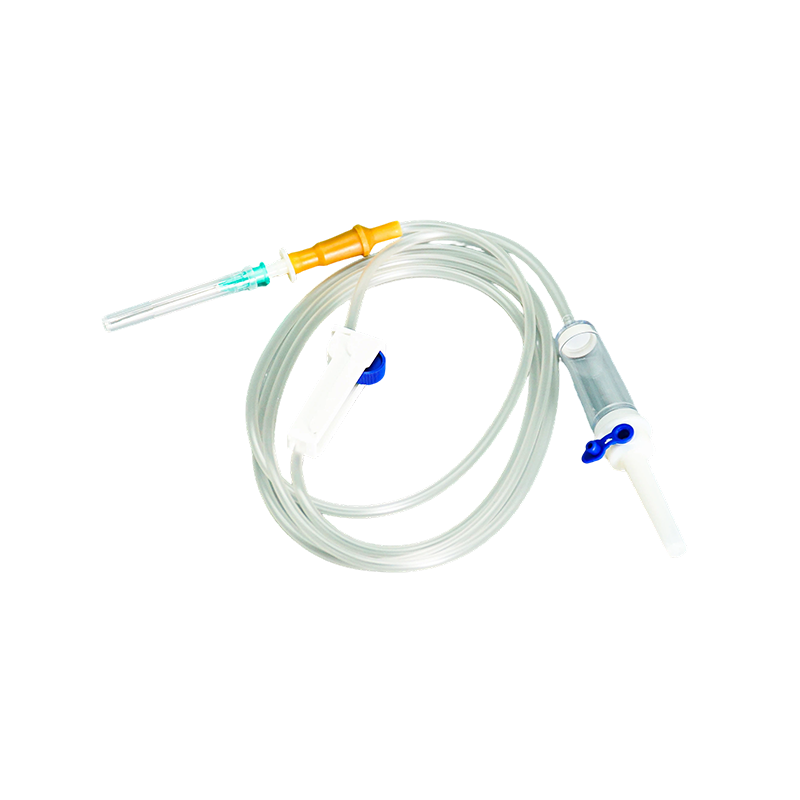
A suture is rarely used alone. A procedure tray may also need syringes, needles, infusion sets, and other single-use items. ZY Medical’s catalogue focuses on these supporting consumables, including sterile hypodermic needles, disposable syringes, and infusion sets for medical settings. If you are building a kit, it helps to source items that share predictable quality documentation and packaging standards.
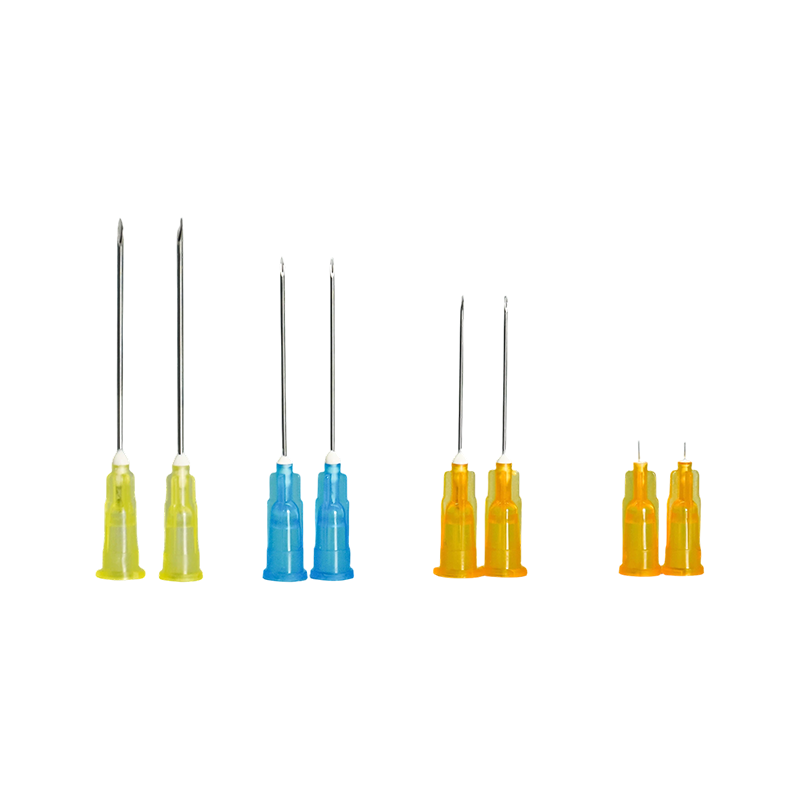 Sterile Single-Use Hypodermic Needles for Clinical ProceduresSterile single-use needles in multiple gauges and lengths, individually wrapped and compatible with Luer syringes for routine injection and kit assembly.View Product →
For local anaesthesia, flushing, or medication delivery, the needle and syringe combination should match the procedure’s volume and gauge requirements. Our sterile syringe for single use with needle is one option in that part of the tray, and it is supported by the same quality approach we apply across our disposable medical range.
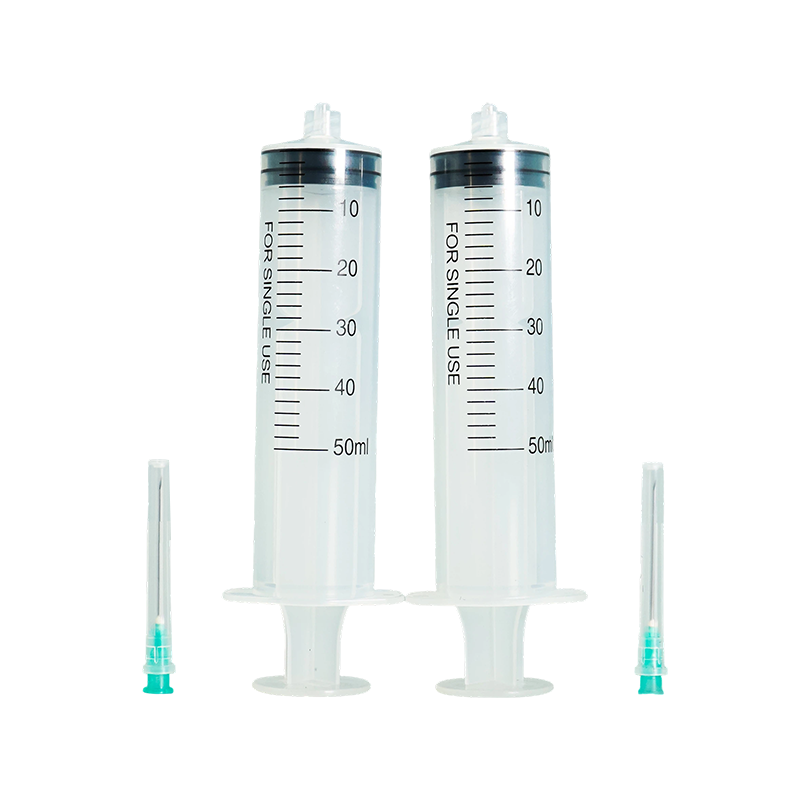 Sterile Single-Use Syringes with Needles, 1–50 mlSingle-use syringes with needles in 1–50 ml capacities, clear graduations, Luer Lock or Slip hubs, and five-year shelf life for clinical kit assembly.View Product →
When comparing suppliers, look beyond the unit price. Ask about sterility assurance, batch documentation, packaging integrity, and the supplier’s ability to keep specifications stable over time. For a broader checklist, see our guide on choosing a reliable medical consumables supplier. It is written for buyers who need a practical filter, not a sales pitch.
Final thoughts
Absorbable suture material is a small component with a large effect on wound healing. The best choice is rarely the fastest-absorbing or the strongest option on paper; it is the one whose strength profile, handling characteristics, and absorption timeline fit the tissue and the patient. Keep the material categories clear in your mind, confirm the manufacturer’s data, and treat the supporting consumables with the same care. That practical approach is usually the difference between a smooth procedure and an avoidable complication.
Related Product
Related NEWS