Choosing between a No. 11 and a No. 15 scalpel blade is less about which blade is “better” and more about matching blade geometry to the cut you need to make. Both are small, sterile blades used in minor surgery, emergency care, dermatology, and procedure trays, but their shapes encourage very different hand movements. In this guide, we compare the 11 blade vs 15 blade in practical terms: profile, typical uses, control, safety, and what to confirm when buying.
The Shape Behind the Choice
The No. 11 blade has an elongated triangular shape with a straight cutting edge and a sharp pointed tip. That profile is designed for a deliberate, direct puncture or entry cut. The point does much of the work, and the long, narrow body gives the operator a clear sense of depth when making a controlled stab incision.
The No. 15 blade is smaller and curved. It has a short, rounded cutting belly and a pointed tip, which makes it useful for short, precise incisions and fine tissue work. The curved edge supports a smooth drawing or rolling motion rather than a direct puncture. In everyday terms, the 11 rewards a controlled stab; the 15 rewards a shallow, deliberate draw.
11 Blade vs 15 Blade: Key Differences at a Glance
Comparison of common No. 11 and No. 15 scalpel blade characteristics. Always confirm handle fit and intended use with the product manufacturer.
Feature
No. 11 Blade
No. 15 Blade
Blade profile
Long, triangular, straight cutting edge
Small, curved cutting edge
Tip
Fine, sharp point
Pointed tip with a curved belly
Cutting action
Puncture, stab, and controlled entry
Short draw cuts and fine dissection
Typical depth
Can reach deeper with a direct entry
Usually shallower and more controlled
Common uses
Abscess drainage, initial puncture, opening a localized collection
Skin incisions, delicate tissue work, short curved cuts
Handle fit
Commonly used with a No. 3 handle
Commonly used with a No. 3 handle
Best for
Deliberate entry where a sharp point is useful
Precision work where a small curved edge is useful
When the 11 Blade Is the Better Choice
The 11 blade is often selected when the procedure calls for a direct, controlled puncture. Its pointed tip and straight edge are useful for opening a tense collection, making an initial stab incision, or entering tissue where a narrow blade gives good depth feedback. It can also be helpful in confined areas where a longer, triangular profile is easier to place than a wider curved blade.
Drainage of an abscess or cyst where a deliberate puncture is planned.
Initial stab incision before extending a surgical cut.
Opening a localized collection in emergency or minor surgery settings.
Precision entry in shallow or recessed areas where the tip must be clearly visualized.
Procedures where the operator wants a straight, narrow blade for depth control.
The trade-off is that the 11 is not the most natural choice for a long, sweeping curved incision. Its strength is entry, not broad drawing cuts. Using it to sweep across tissue can reduce control and may create a less tidy wound edge than a curved blade designed for that motion.
When the 15 Blade Is the Better Choice
The 15 blade is usually the more comfortable choice for short, precise cuts and fine tissue handling. Its curved cutting edge allows the operator to draw the blade through tissue with a smooth motion, while the smaller profile helps maintain visibility near delicate structures. It is common in skin incision work, minor excision, and procedures where a shallow, controlled cut is preferred.
Short, precise skin incisions.
Fine dissection where a small curved edge is helpful.
Curved or elliptical cuts that require a smooth drawing motion.
Work near delicate anatomy where a smaller blade improves visibility.
Procedure steps that call for controlled, shallow cutting rather than deep puncture.
The 15 is less ideal for a deep stab incision. Its curved profile and shorter cutting belly offer less direct penetration than the 11, and forcing a puncture with the wrong blade can reduce control. The 15 works best when the planned cut is shallow, precise, and drawn rather than stabbed.
Technique, Tissue, and Safety
Blade selection should follow the procedure protocol, tissue thickness, desired depth, visibility, and operator preference. A sharp blade requires less pressure, and less pressure usually means better control. If a blade feels too long for the planned cut, it may encourage an unnecessarily deep pass. If it feels too short, the operator may apply extra force, which is rarely desirable near delicate tissue.
Safety matters as much as shape. Use a neutral zone for passing sharps, load and remove blades with the approved technique for the handle, and dispose of used blades in a dedicated sharps container. Account for blades and handles during procedure counts. Never use an 11 blade for a blind deep puncture, and do not use a 15 blade as a substitute for a purpose-designed puncture blade when depth control is critical.
Handle Compatibility and Tray Planning
Both the 11 and 15 blades are commonly used with a No. 3 scalpel handle, but not every blade and handle combination is interchangeable. Confirm the fit specified by the blade manufacturer, and check that the sterile packaging, blade material, and intended use match your procedure tray. A blade that is difficult to seat or remove safely should not be used.
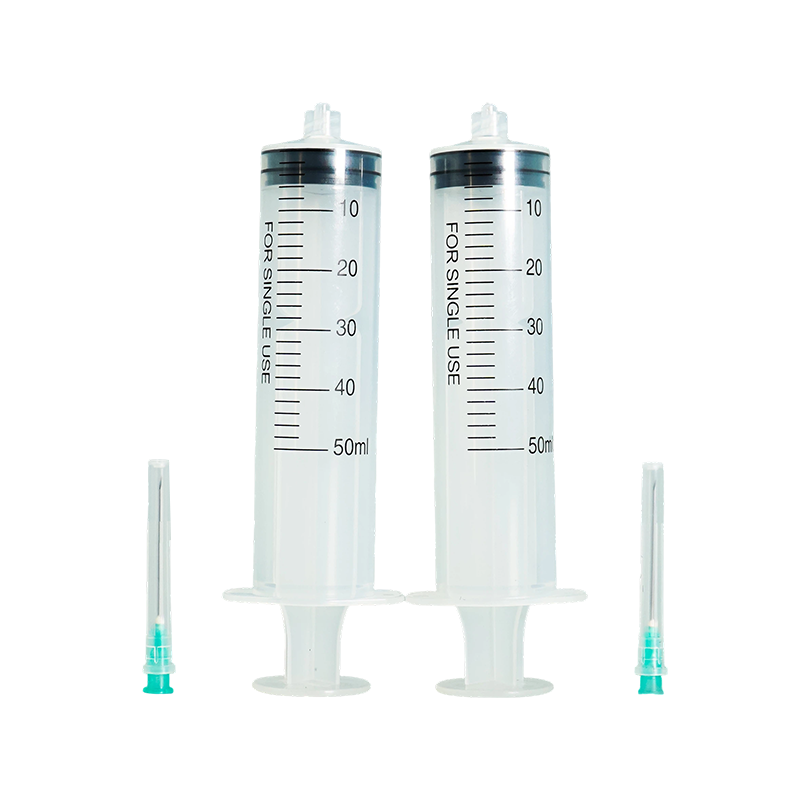
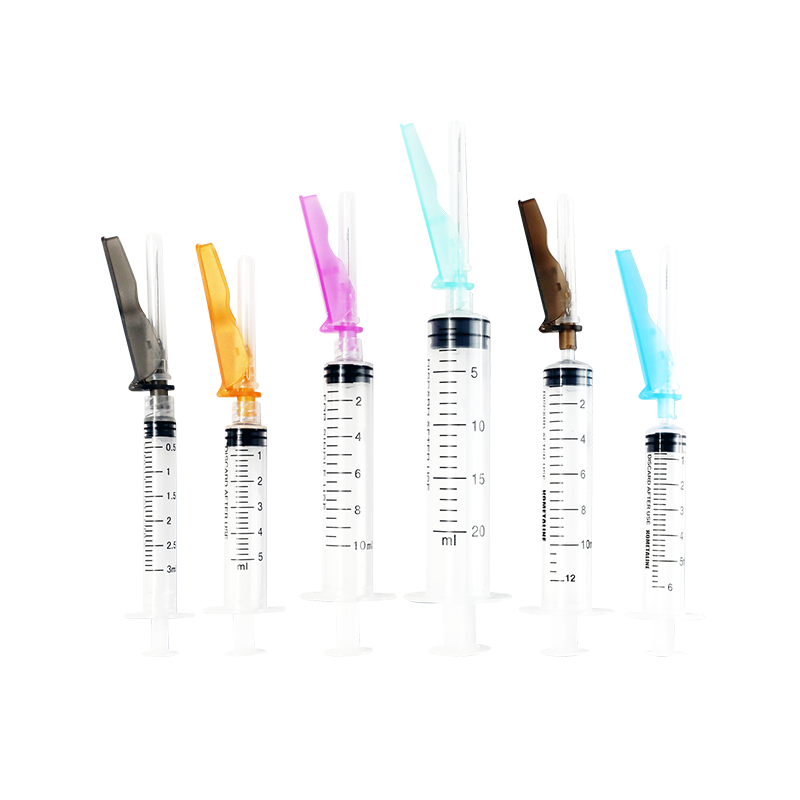
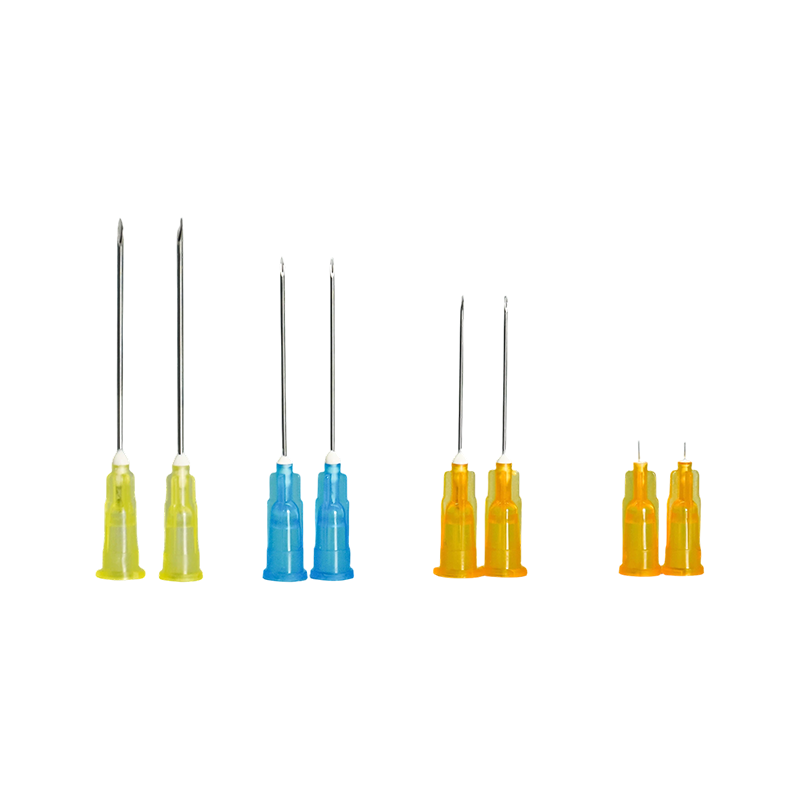
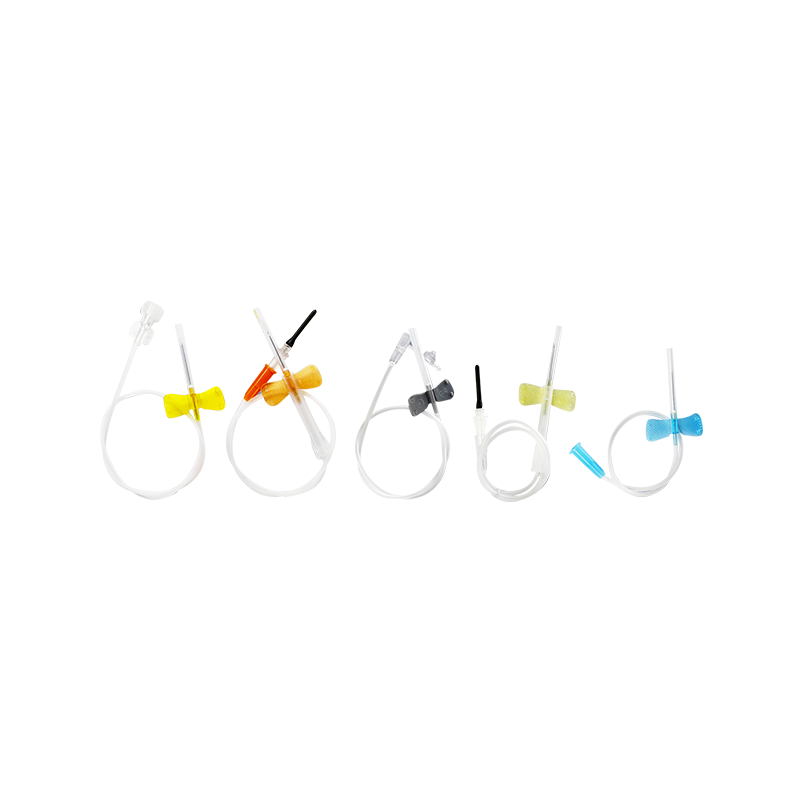
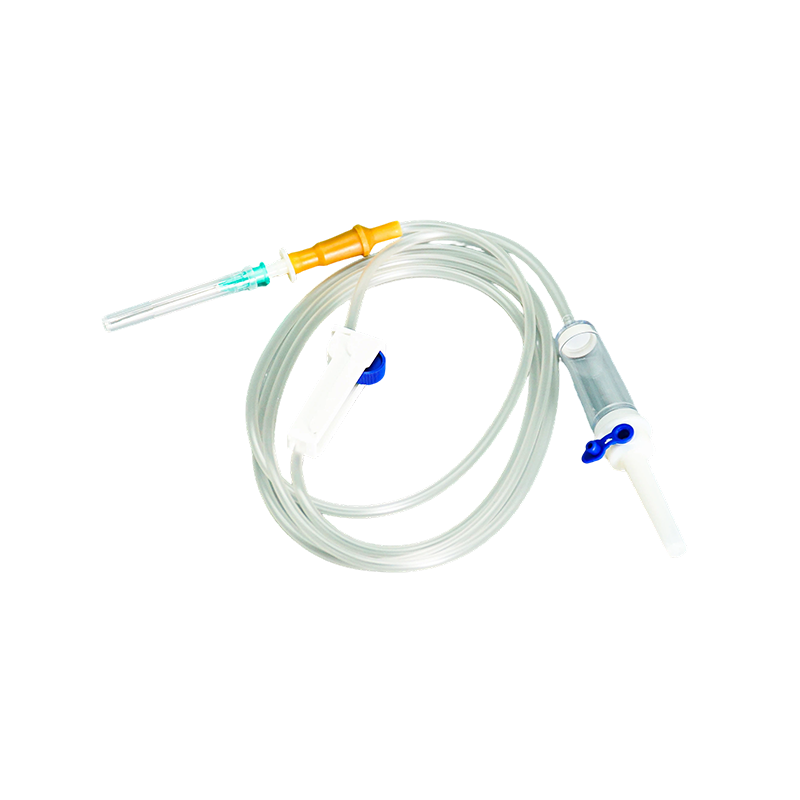
At Zymedical, our work centers on disposable medical consumables rather than surgical blades. Our medical solution range covers syringes, hypodermic needles, and infusion sets that often sit alongside a minor procedure tray, while blade selection remains a separate clinical decision. For teams reviewing consumables sourcing, our supplier guide offers a practical checklist for documentation, packaging, and lot traceability.
Purchasing Checklist for 11 and 15 Blades
When comparing suppliers, look beyond the blade number. Ask for the intended use, sterile packaging details, material specification, handle compatibility, lot traceability, and any regulatory claims scoped to the product. Check that the packaging is intact and that storage conditions are appropriate. If a supplier makes a clinical claim, ask for documentation that covers that exact product and market.
Confirm the blade number, size, and handle fit.
Verify sterile packaging and expiry information.
Check material and sharpness specifications.
Review lot traceability and quality documentation.
Match the blade to the planned procedure, not just to habit.
Final Takeaway
The 11 blade is the better choice when the procedure needs a sharp, deliberate puncture or controlled entry with a narrow, pointed profile. The 15 blade is the better choice for short, precise, curved cuts and fine tissue work where a small drawing edge gives the operator more control. Neither blade is universally superior. The right choice is the one that matches the planned incision, the tissue being handled, and the operator’s technique.


 русский
 عربى
 中文简体