


 русский
 عربى
 中文简体


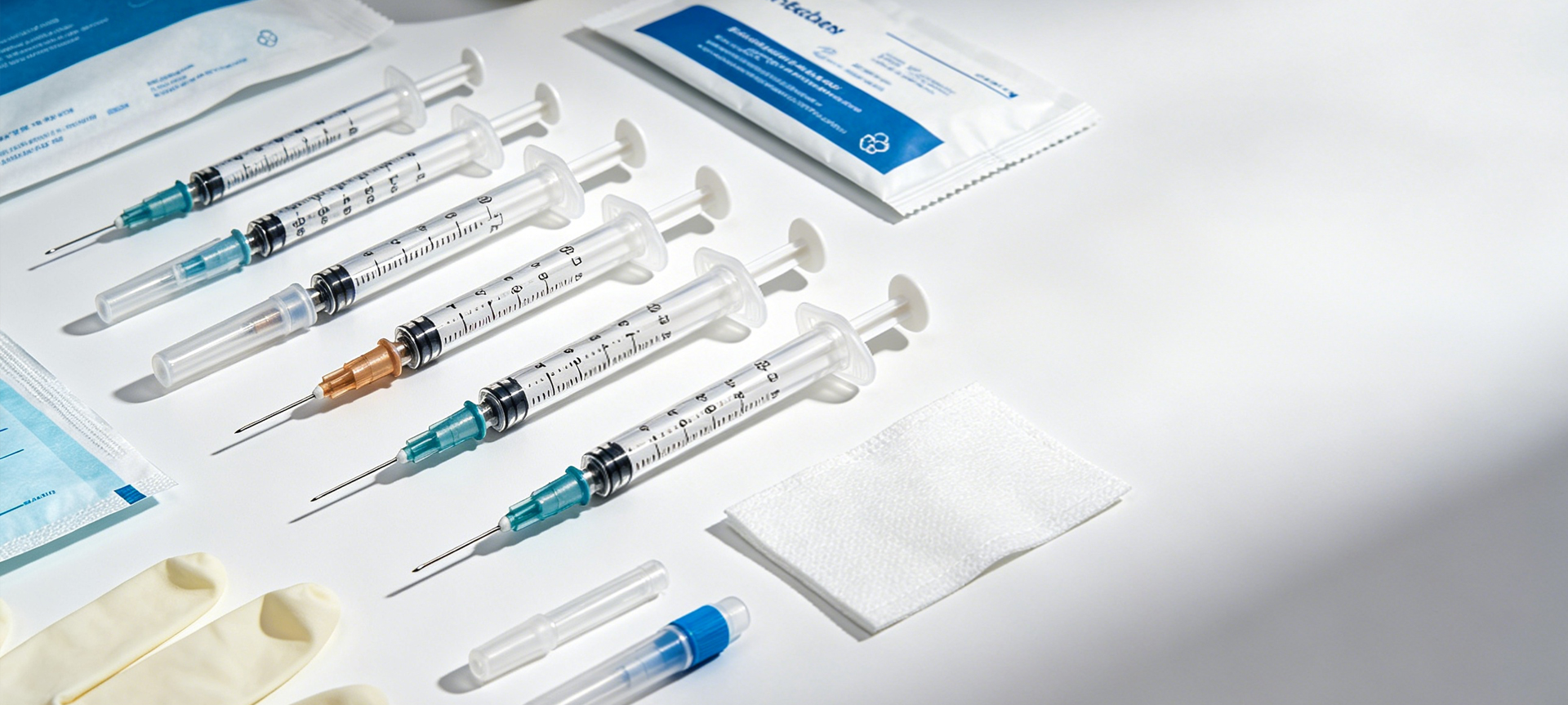
Medical Needles & IV Products
Medical Needles & IV Products are a category of basic medical consumables with extremely high frequency of clinical use and a wide range of applications. They encompass subcutaneous injection needles, butterfly needles, indwelling intravenous catheters, blood collection needles, safety needles, and related intravenous puncture and connection products. These are widely used in scenarios such as injection drug administration, intravenous infusion, blood sample collection, short-term intravenous access establishment, and routine care, making them an indispensable product category in hospitals, clinics, testing institutions, and distribution channels. Whether in routine treatment procedures or in nursing, testing, and outpatient operations, these products play a crucial role in directly contacting patients and participating in clinical operations. Therefore, customers typically have high requirements for their structural design, specification system, ease of use, and product consistency.
The core characteristic of this classification is that although the products all belong to "needles and intravenous products," the usage scenarios and focus of each subcategory are different. Subcutaneous injection needles are primarily designed for routine injection drug administration, emphasizing sharp needle tips, smooth puncture, a full range of sizes, and compatibility with syringes. Butterfly needles are mainly used for intravenous infusions and blood collection, emphasizing the butterfly structure for easy fixation, convenient tubing connection, and greater operational flexibility. Indwelling intravenous catheters are used to establish short-term intravenous access, emphasizing the catheter-core fit, clear size identification, and the availability of models suitable for different patient conditions. Blood collection needles are more geared towards sample collection and pre-testing, emphasizing stable connection, smooth operation, and compatibility with blood collection systems. Safety needles, in addition to basic puncture functions, incorporate protective designs to enhance safety during procedures. Because each product plays a different clinical role, this classification is not only comprehensive but also possesses very clear professional levels.
From a practical usage perspective, the most important value of medical needle products lies in "precision, stability, and ease of operation." In clinical operations, needle consumables directly affect the puncture feel, operational efficiency, and overall user experience. Therefore, customers often place great importance on whether the needle specifications are complete, the needle tip is sharp, the connection is secure, the flow path is smooth, and the product is easy to identify and distinguish. Intravenous products place greater emphasis on the stability of access, ease of operation, and suitability during the nursing process. For purchasers, these products are not only routine consumables but also high-frequency products that directly impact end-user satisfaction and repurchase rates. Therefore, product quality consistency, packaging standardization, and supply stability are typically critical considerations.
Another important characteristic of medical needles and intravenous products is their inherent suitability for "serialized supply." Different markets, hospital departments, and distributors have varying preferences for needle specifications, lengths, color coding, connection methods, and packaging. Therefore, suppliers with complete product lines are more likely to gain customer approval. A mature product system typically includes not only standard subcutaneous injection needles but also butterfly needles, indwelling intravenous catheters, blood collection needles, and safety needles, helping customers procure multiple basic product types within a single supply chain. This serialization capability significantly enhances the completeness of the product catalog and facilitates long-term, stable partnerships with customers.
From a product positioning perspective, this category possesses both "basic consumable attributes" and "professional consumable attributes." The fundamental aspect lies in their presence in almost all routine medical procedures, characterized by high procurement frequency, continuous demand, and wide application. The professional aspect lies in the significant structural differences between various sub-products, with highly segmented usage methods and end-user applications, making them easily identifiable for both procurement personnel and end-user operators. Therefore, this category is ideally suited for building a comprehensive and logically clear professional product section, conveying a more complete product capability to customers through the structural characteristics, application directions, and specification systems of different products.
For customers seeking to improve their basic medical consumables catalog, enhance clinical product coverage, and deepen their understanding of intravenous and puncture products, medical needles and intravenous products are a crucial procurement category. They not only meet routine injection and infusion needs but also cover multiple sub-scenarios such as laboratory sampling, indwelling care, and safety protection. Whether customers focus on high-frequency basic use or more specialized intravenous care and blood collection applications, this category provides a clear product structure and stable supply support.
About Us
Jiangsu Zhiyu Medical Instrument
As a disposable medical consumables manufacturer and factory in China, Zhiyu advances automation and large-scale manufacturing with a collaborative production system covering injection molding, assembly, testing, and packaging. This enables efficient support for large orders, continuous supply, and long-term cooperation. Zhiyu also prioritizes consistency control and quality management through automated equipment, online testing, and standardized processes, ensuring stable batch output and reliable quality and delivery.

Built for Stable Manufacturing, Clean Production, and Reliable Quality Control
Zhiyu has established a systematic manufacturing system centered around clean production, process control, and quality consistency, which can provide stable support for large-scale orders, long-term cooperation, and project-based supply for applicable product lines. Support OEM/ODM Custom Medical Needles & IV Products.
What Can Be Support
-
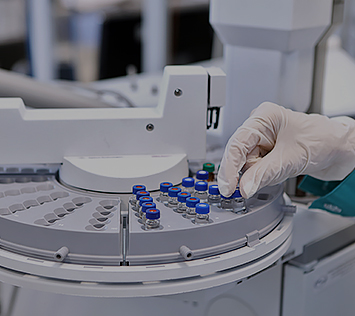 Product matching and assortment planning
-
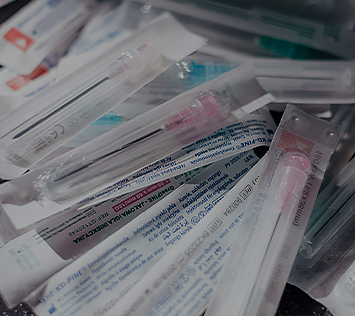 Packaging adaptation and packaging development
-
 Specification confirmation and extension
-
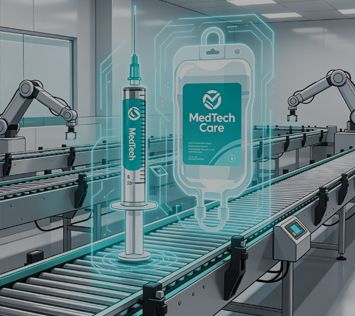 Private label support
-
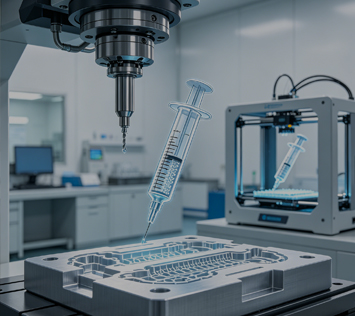 Mold development for applicable projects
-
 Structural optimization
-
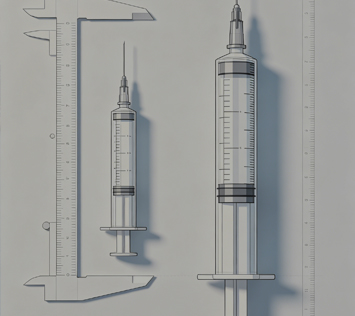 Customized product development
-
 Project-based coordination from sampling to production
Certificate
-
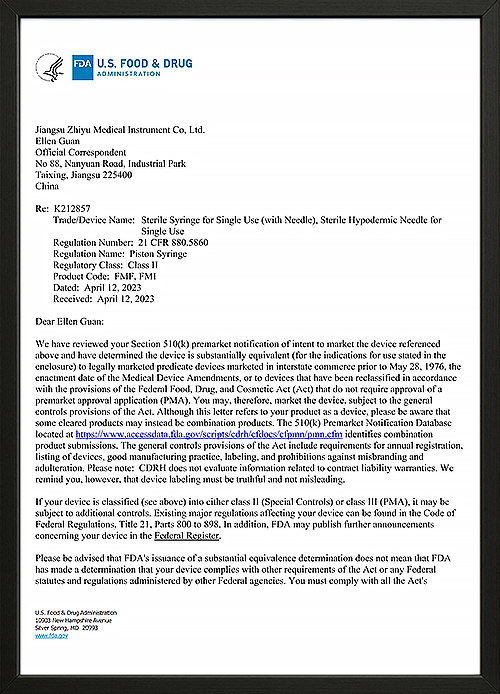
FDA 510(k) Clearance Letter - K212857
-
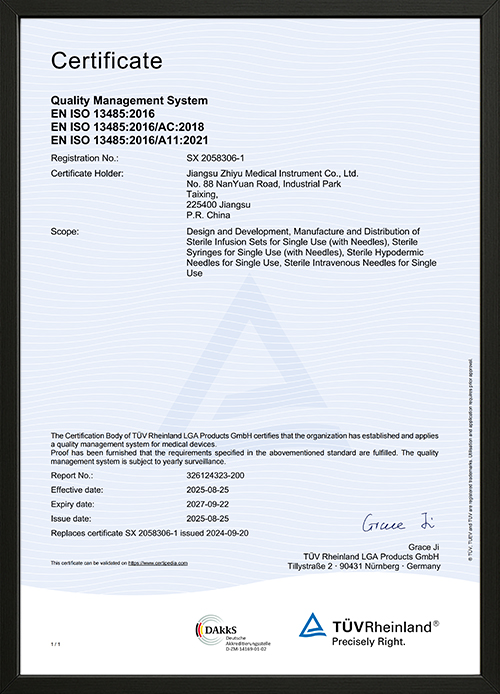
ISO 13485:2016 Certificate
-
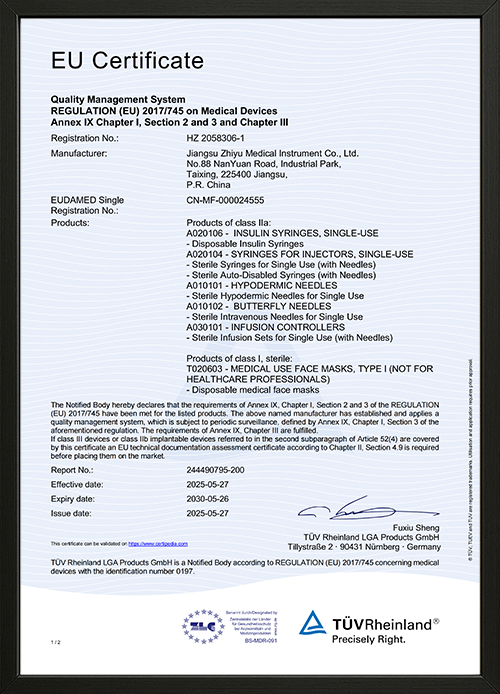
EU MDR Certificate - Regulation (EU) 2017/745
-
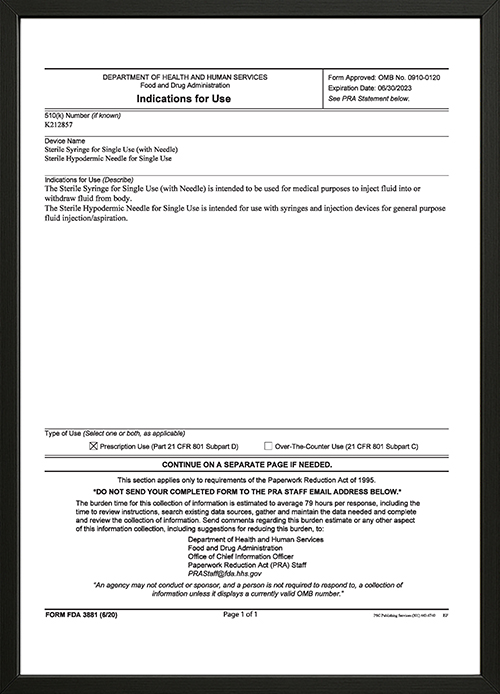
FDA 510(k) Indications for Use - K212857
-
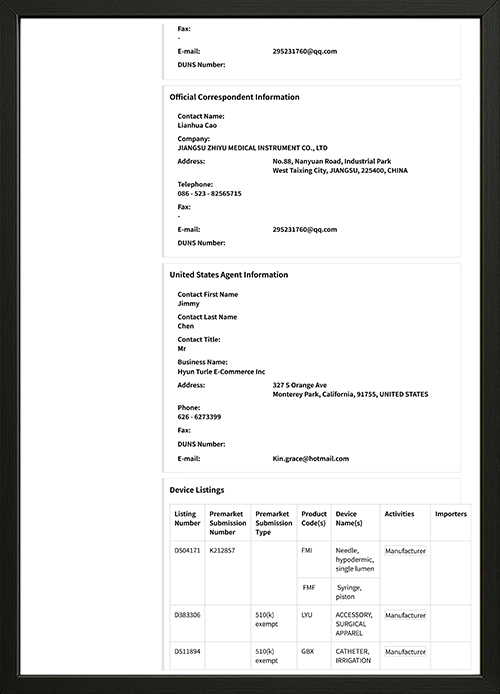
FDA Facility Registration 2026
-
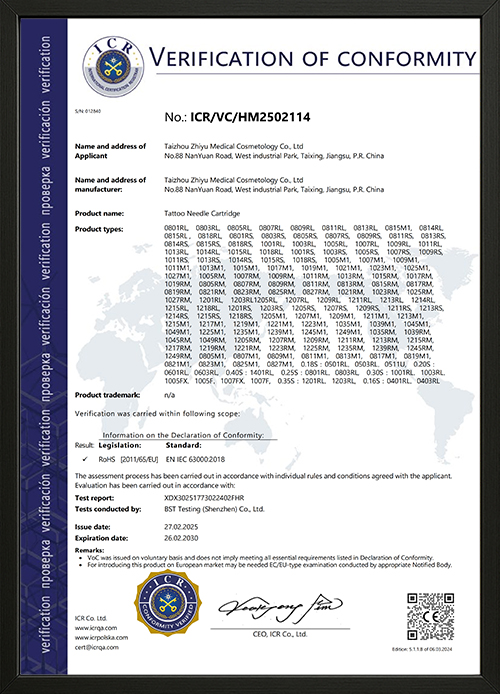
RoHS Verification
-
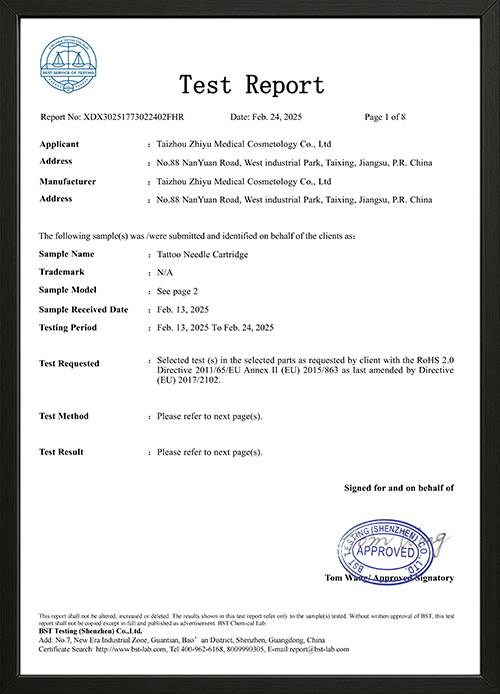
RoHS 2.0 Test Report
-
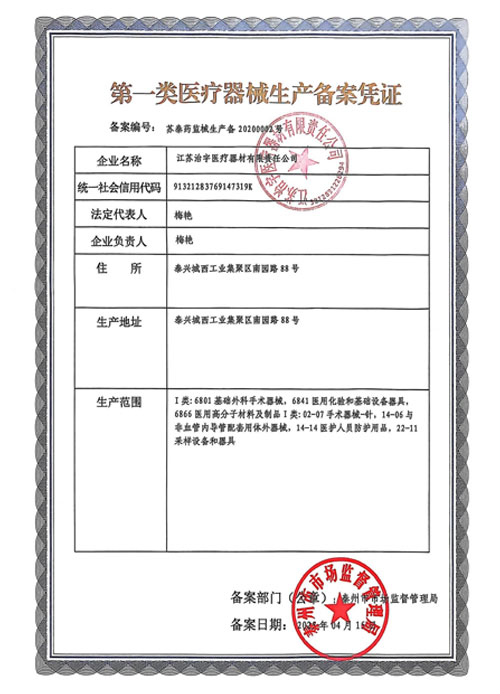
First Class Medical Device Production Filing Certificate
Message Feedback
News
-
Absorbable suture material is one of those quiet workhorses of surgery. It holds tissue together long enough for healing to begin, then disappears wi...
READ MORE -
Choosing between a No. 11 and a No. 15 scalpel blade is less about which blade is “better” and more about matching blade geometry to the cut you need...
READ MORE -
A B12 injection carries a very small volume of solution, often half a millilitre or less, yet the needle that delivers it decides how comfortable the...
READ MORE -
Vitamin B12 replacement looks simple on paper: a small-volume injection, a schedule, and a follow-up plan. In practice, the phrase “b12 dosing im” ra...
READ MORE
Industry Knowledge
Jiangsu Zhiyu Medical Instrument Co., Ltd. is a Medical Needles & IV Products manufacturer based in Taixing, Jiangsu, China. We produce sterile single-use hypodermic needles, intravenous butterfly needles and safety needles for injection drug administration, infusion, blood collection and short-term intravenous access, and we supply them to hospitals, clinics, testing institutions and distribution channels worldwide.
Our needle and IV range sits inside the wider Medical Consumables programme, so a single supply chain can cover needles, syringes, infusion sets and protective products for the same tender or distribution catalogue.
What We Manufacture in This Category
Needle and IV products are high-frequency clinical consumables that touch the patient directly, so the specification system, tip geometry, hub fit and packaging consistency matter as much as the unit price. We build this category around three core product families and keep the size range broad enough to cover routine wards, outpatient departments, laboratories and collection rooms.
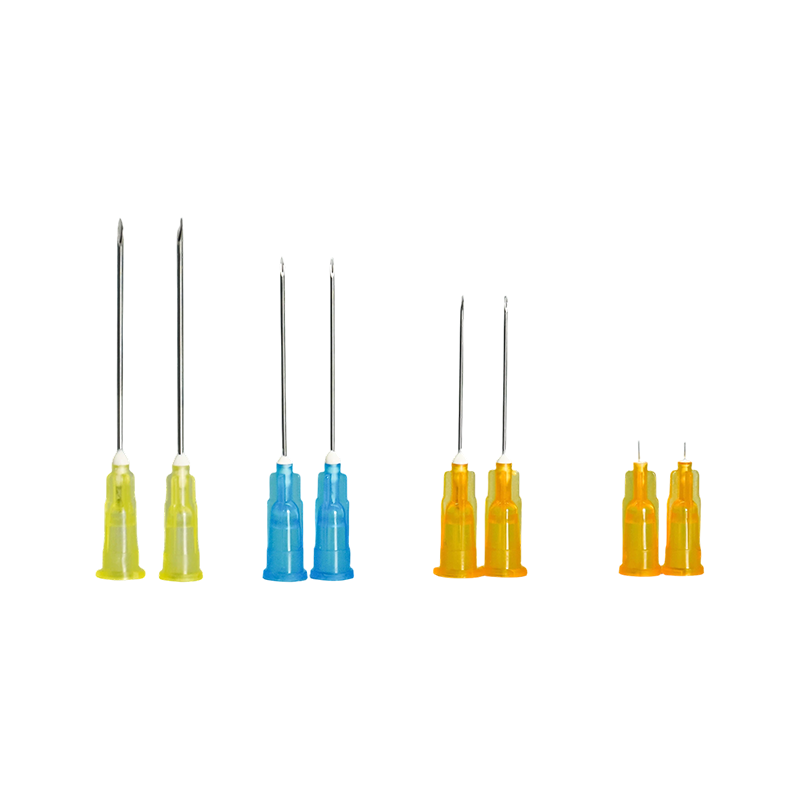
- Sterile hypodermic needles for subcutaneous, intramuscular and general injection drug administration, supplied in a full gauge and length series with colour-coded hubs for fast identification.
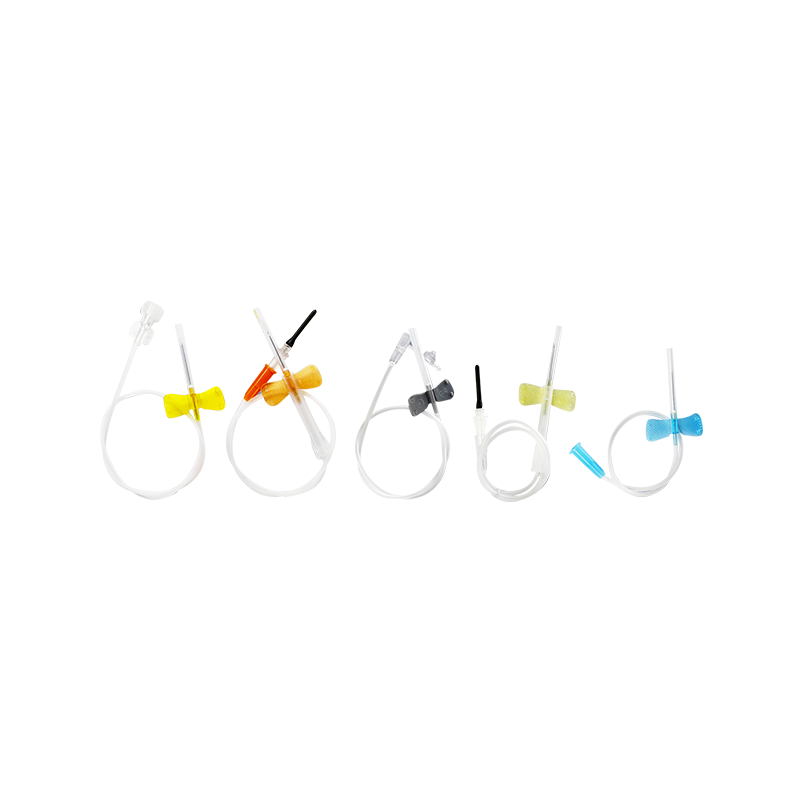
- Sterile intravenous butterfly needles for infusion and blood collection, with flexible wings for fixation, tubing connection and controlled handling during venipuncture.
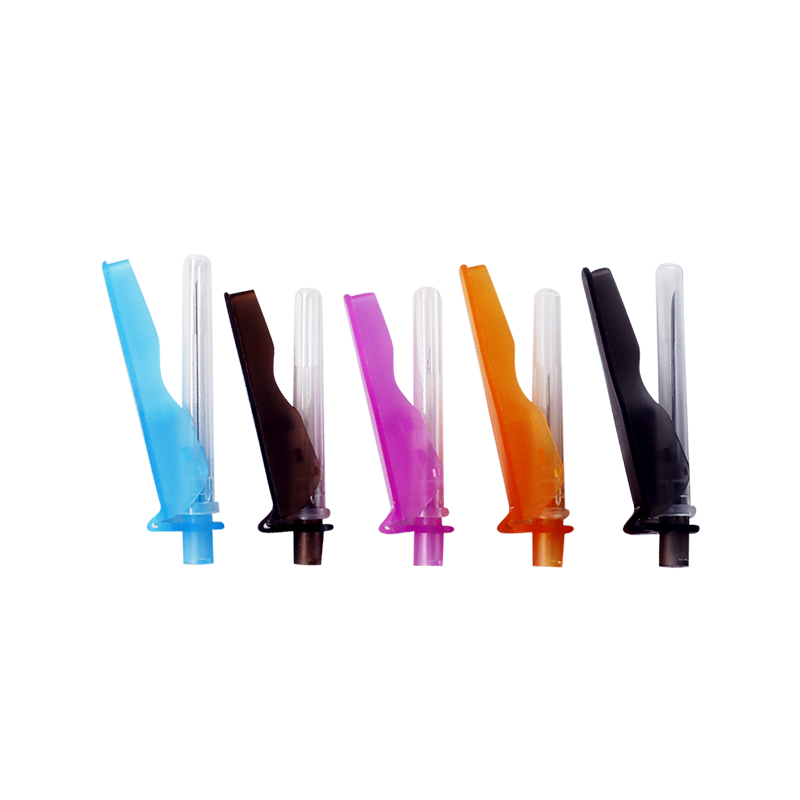
- Safety needles that combine the standard puncture function with a protective design to reduce needlestick exposure during and after the procedure.
Each family is produced as a sterile single-use device. Needle tubing, hub mouldings and protective components are handled on dedicated lines, and the finished device is assembled, inspected and packed before sterilisation.
Product Range and Application Fit
The table below maps each product type to its typical clinical role and the specification variables we confirm before quoting. It is the same structure we use when building a mixed container or a tender line item list.
| Product Type | Typical Application | Key Specification Variables |
|---|---|---|
| Sterile Hypodermic Needle for Single Use | Routine injection, vaccination, ward and outpatient drug administration | Gauge, needle length, hub colour code, hub material, needle-to-syringe connection |
| Sterile Intravenous Needle (Butterfly Needle) | Intravenous infusion, blood collection, short procedures requiring flexible fixation | Gauge, wing design, tubing length and connector type, flow path, colour coding |
| Safety Needle for Single Use | Injection and sampling environments with needlestick protection requirements | Gauge, protective mechanism type, activation behaviour, packaging format |
Because the three families share the same clinical environment but differ in handling, we keep them in one category so distributors can build a coherent needle and IV section rather than sourcing each type from a separate channel.
Materials, Structure and Consistency Control
Needle performance is decided by a small number of structural details: the stainless steel cannula, the bevel geometry, the hub moulding and the bond between them. We control these through incoming material inspection, in-process checks and final product inspection, supported by automatic vision inspection and online monitoring at key production stages.
- Medical-grade stainless steel cannula with a sharp, smoothly finished bevel for predictable puncture feel.
- Injection-moulded hubs in medical-grade polymer, colour-coded to the gauge for rapid identification at the bedside.
- Secure needle-to-hub bonding and a hub-to-syringe fit that resists loosening during injection.
- Clear, unobstructed flow path verified during in-process inspection.
- Individual sterile packaging with intact seals and legible specification printing.
Our in-house laboratory and testing centre runs incoming material inspection, in-process inspection and final product inspection. Inspection records, quality reports and testing documentation are archived, and retained samples are kept through shelf life plus an additional two years under internal procedures.
Manufacturing Base and Sterile Production
Zhiyu operates a collaborative production system covering injection moulding, assembly, testing and packaging on related product lines. The Taixing site includes a 12,000 m² purification room within a 32,000 m² production area, and more than 160 units of production equipment support batch manufacturing of syringes and related consumables.
- Controlled cleanroom production for needle assembly and packaging.
- Ethylene oxide sterilisation for applicable sterile single-use products.
- Automated equipment combined with online testing to hold consistency across large batches.
- Standardised quality control processes applied from moulding through to final carton.
This configuration is what allows us to support large-scale orders, continuous supply and long-term cooperation on needle and IV lines rather than one-off shipments.
Configuration Options and OEM/ODM Support
Most needle and IV projects are not a single catalogue number. They are a specification set, a packaging format and a market document package. We evaluate all three together.
Specification Extension
Additional gauges, lengths, hub colours and connector types added to an existing needle platform.
Packaging Adaptation
Blister, PE bag, colour box, neutral packaging, private-label labelling and multilingual label design.
Structural Development
Mould development, structural optimisation and customised product development for applicable projects.
For projects with defined requirements and suitable business conditions, we support mould development and structural optimisation on injection-moulded parts and needle-related products. Project coordination runs from sampling and validation through to mass production, so a new specification can be trialled before it enters the regular supply plan.
Quality System and Regulatory Documents
Regulatory scope follows the product, not the catalogue. We confirm which documents apply to a specific needle or IV item and target market before the order is scheduled.
- ISO 13485:2016 certification for applicable medical-device activities.
- EU MDR certificate under Regulation (EU) 2017/745 covering applicable product lines including hypodermic needles, butterfly needles, disposable syringes, insulin syringes and auto-disable syringes.
- FDA 510(k) clearance K212857 for specified sterile syringe and hypodermic needle products, with FDA establishment registration and device listing for the U.S. market.
- First Class Medical Device Production Filing Certificate and RoHS verification documentation.
Documentation for registration, tender and distributor review is prepared against the confirmed product scope, and quality-related records are archived for traceability.
Information We Use to Configure Your Solution
A needle and IV quotation is only accurate when the clinical use, the market and the packaging are known. These are the inputs we work from.
| Input | What It Determines |
|---|---|
| Product type and clinical application | Whether the project uses hypodermic, butterfly or safety needles, and the handling requirements that follow |
| Gauge, needle length and connector type | The specification set, colour coding and hub configuration |
| Target market and registration route | Which regulatory documents apply and how labels must read |
| Packaging format and private-label requirements | Blister or bag configuration, box artwork, language set and carton marking |
| Estimated order quantity and delivery pattern | Batch planning, sterilisation scheduling and repeat-order continuity |
| Drawings, photos or reference samples | Feasibility of structural optimisation or mould development |
Related Products in the Same Supply Programme
Needle and IV items are usually ordered alongside the rest of the injection and infusion set. We supply those lines from the same manufacturing base, which keeps specification language, packaging style and documentation consistent across a mixed order.
- Disposable Syringes for general injection and irrigation procedures.
- Insulin Syringes with fine-gauge needles for subcutaneous dosing.
- Infusion Sets that pair with butterfly needles in intravenous delivery.
- Needle-Free Injectors for needle-free delivery projects.
For veterinary, dental and aesthetic programmes, the same needle and cannula manufacturing base supports related product lines, so a distributor can consolidate several catalogues without changing supplier.
Frequently Asked Questions
Which needle gauges and lengths can you supply?
We produce a full series of hypodermic and butterfly needles across the common gauge and length combinations used for injection, infusion and blood collection. The exact set for a project is confirmed against the clinical application, the colour-coding system used in the target market and the connector type required.
Do you supply needles and IV products as a mixed container with syringes and infusion sets?
Yes. Needle and IV products are part of our Medical Consumables programme, so hypodermic needles, butterfly needles, safety needles, syringes and infusion sets can be planned in one order with consistent packaging and documentation.
Can you produce private-label needle products?
We support private-label and OEM/ODM cooperation covering specification extension, packaging adaptation, multilingual label design and customised product development. Packaging can be neutral, colour box or blister and PE bag depending on the market and project objective.
Which regulatory documents apply to needle and IV products?
Documentation depends on the specific product and target market. For applicable product lines we hold ISO 13485:2016 certification, EU MDR certification under Regulation (EU) 2017/745, and FDA 510(k) clearance K212857 for specified sterile syringe and hypodermic needle products, together with FDA establishment registration and device listing. We confirm the applicable scope for each item before production.
How are samples and validation handled for a new specification?
For standard products, samples are arranged from existing specifications. For customised projects, we confirm the application, specification, packaging and target market first, then prepare suitable samples or trial solutions. Project coordination continues from sampling and validation through to mass production.
What information do you need to prepare a quotation?
Product name, gauge and needle length, connector or tubing requirements, packaging format, target market, estimated order quantity, private-label needs and any drawings, photos or reference samples. With those inputs we can evaluate the project and return a configuration and quotation that matches the intended clinical use.
OEM & ODM Support Beyond Standard Supply
As OEM/ODM Medical Needles & IV Products Factory in China, Zhiyu can provide OEM/ODM cooperation support around different product lines, covering packaging adaptation, specification expansion, mold
development, structural optimization, and customized product development. Relying on our project-based supporting capabilities, we help
customers smoothly advance product concepts to sampling, validation, and large-scale production.
Focusing on the manufacturing of disposable consumables, Zhiyu provides stable supply, flexible OEM/ODM cooperation, and project-based support
around global customer needs.
-
No.88, Nanyan Road, Industrial Park, West Taixing City, Jiangsu Province

-
+86-523-82565721

+86-13815970397 -
zy01@zymedical.com

Copyright ©
Jiangsu Zhiyu Medical Instrument Co., Ltd. Approval No: 苏泰药监械生产备20200002号 This website is aimed at regions outside of China
