


 中文简体

B12 Dosing IM: Practical Guide for Clinicians and Clinical Supply Teams
Content
Vitamin B12 replacement looks simple on paper: a small-volume injection, a schedule, and a follow-up plan. In practice, the phrase “b12 dosing im” raises practical questions for clinicians, clinic managers, and procurement teams. Is the patient being treated for a severe deficiency, a malabsorption problem, or a dietary shortfall? Is the product cyanocobalamin or hydroxocobalamin? Does the label support the schedule being used? This guide is for educational and supply-planning purposes. It does not replace official prescribing information, local protocols, or clinical judgment.
The intramuscular route is well established for B12 replacement, but the dose is only one part of the plan. Concentration, injection technique, documentation, and the supplies selected for the visit all affect whether the regimen is delivered consistently.
Why IM B12 Dosing Is Not One-Size-Fits-All
The first question is not simply “what is the dose?” but “what problem are we treating?” A patient with pernicious anemia, a patient who has had bariatric surgery, and a patient with a limited dietary intake may all need B12, yet their treatment pathways can differ. Neurological symptoms, pregnancy, age, renal function, and the underlying cause of deficiency can all influence the plan.
Product presentation matters as well. In many markets, cyanocobalamin 1000 mcg/mL is a familiar presentation, while hydroxocobalamin concentrations and accepted schedules vary by country and label. A prescription written as “1 mL” means something different if the concentration changes. For that reason, clinics should standardize how they record product strength, dose volume, route, and site.
This is why published regimens differ. Some focus on rapid correction of a severe deficiency. Others describe early maintenance or long-term replacement. A useful approach is to treat the schedule as a clinical starting point, then confirm response through symptoms, laboratory review, and the patient’s overall care plan.
Common IM B12 Dosing Patterns
Published examples of intramuscular B12 dosing often fall into three phases: initial correction, early maintenance, and long-term maintenance. The table below is a map, not a prescription. Always confirm the exact product label, indication, patient factors, and local protocol before selecting a regimen.
| Phase | Typical published approach | Practical note |
|---|---|---|
| Initial correction | Cyanocobalamin 1000 mcg IM daily or every other day for about 5-7 days; some labels use 100 mcg daily or on alternate days for 7 days. | Confirm the indication and baseline findings; monitor the response. |
| Early maintenance | Often 1000 mcg IM weekly for about 4 weeks; some protocols use 100 mcg every 3-4 days for one month. | Reassess symptoms and laboratory values according to local policy. |
| Long-term maintenance | Commonly 1000 mcg IM monthly; some references describe 500-5000 mcg weekly to monthly depending on product and indication. | Regimens are not interchangeable without clinical review. |
| Dietary deficiency without malabsorption | Oral therapy may be sufficient; IM is often reserved for severe deficiency, malabsorption, or other clinical reasons. | Treat the cause and review the need for ongoing injection. |
For clinics, the operational lesson is to avoid memorizing a single number. Build a clear local protocol that states which product is stocked, how the dose is expressed, when follow-up is expected, and who reviews the plan. That reduces confusion when a prescription says “IM B12” without spelling out the full regimen.
What “b12 dosing im” Means at the Injection Visit
At the point of care, dosing and technique need to connect. A calm, repeatable workflow helps. The following steps are a practical framework, not a substitute for training or local policy.
- Verify the prescription against the product name, strength, dose volume, route, and due date.
- Check the vial or ampoule for expiry, clarity, and storage conditions.
- Select a syringe size that makes the prescribed volume easy to read accurately.
- Choose an appropriate needle length and gauge for the selected IM site and patient body habitus.
- Use hand hygiene, clean preparation, and aseptic technique; follow current guidance on aspiration and site selection.
- Dispose of the needle and syringe immediately in a sharps container, then document the dose and site.
IM injections are usually given at approximately 90 degrees into a well-developed muscle. Site and needle length matter more than a routine number. A slender patient receiving a deltoid injection may need a different needle length from a larger patient receiving a ventrogluteal injection. When technique is adapted thoughtfully, the visit is safer and more comfortable.
Injection Technique and Product Selection
Good technique begins with good supplies. A clear syringe scale supports accurate measurement of small volumes, and a needle that suits the chosen site supports reliable delivery. Single-use sterile supplies also simplify aseptic workflow and sharps disposal. At ZYM Medical, our medical consumables range includes sterile syringes and hypodermic needles for injection workflows; our medical solution page outlines how these products fit broader clinical settings.
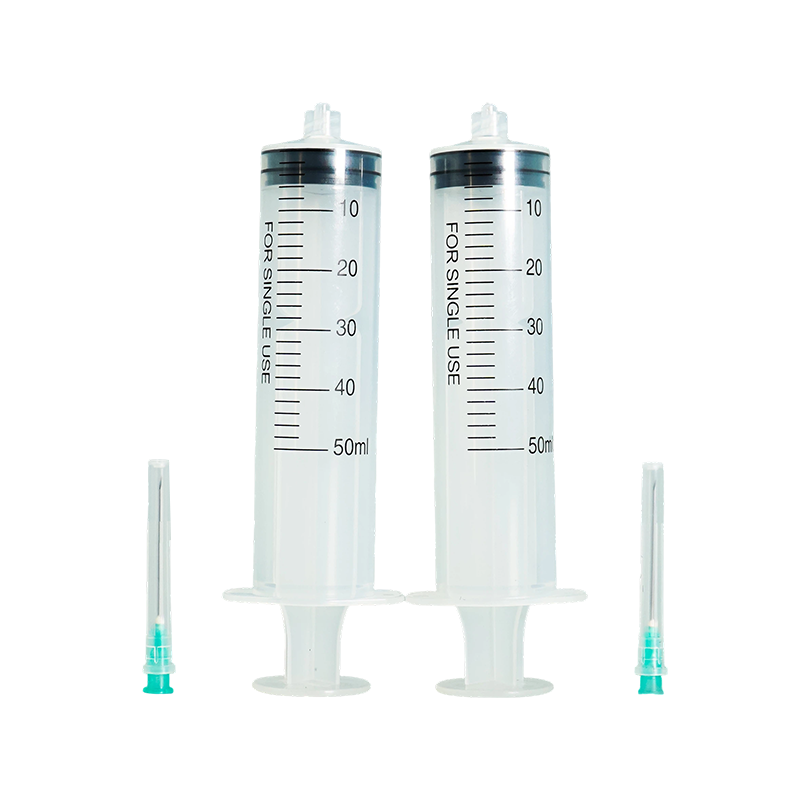 Sterile Syringe with Needle for Single UseSingle-use sterile syringe with clear graduations, Luer options, and 1–50 ml capacities; supports small-volume B12 measurement and standardizing injection supply selection.View Product →
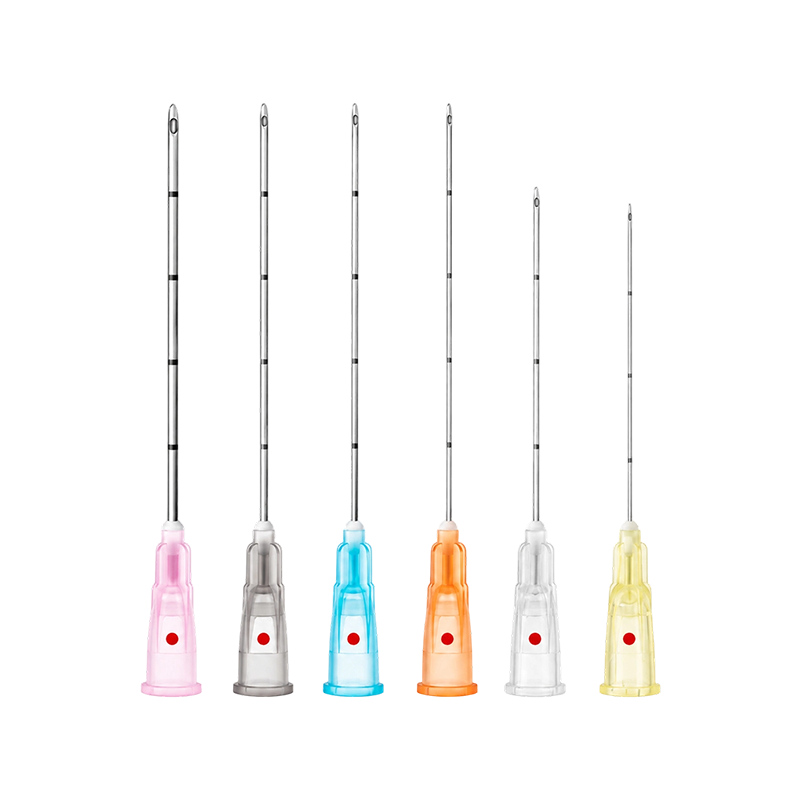
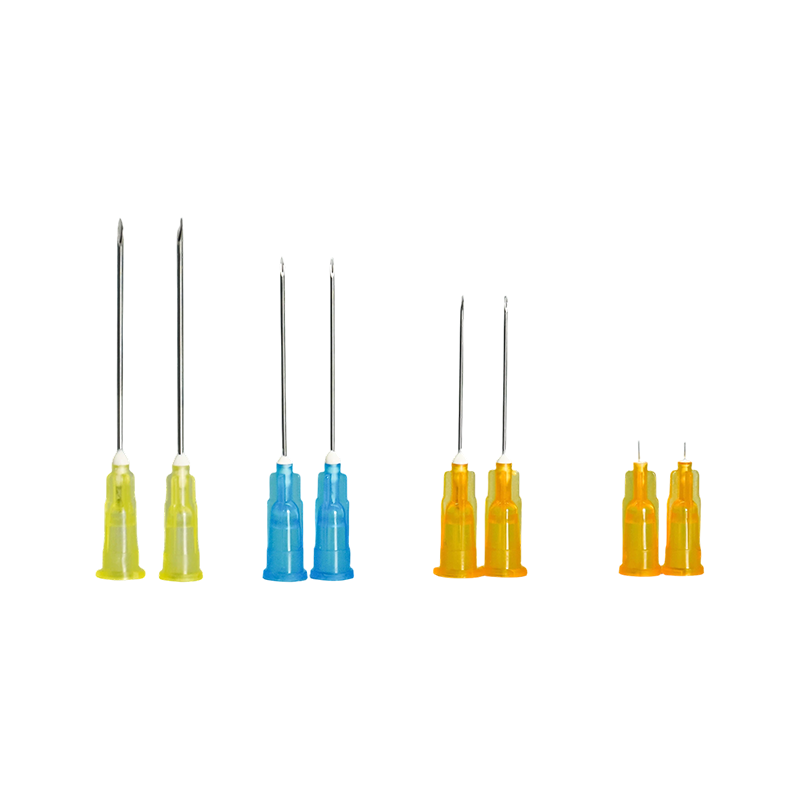 Sterile Hypodermic Needle for Single UseSingle-use stainless steel needle with PP hub, multiple gauges and lengths, and individual sterile packaging; compatible with Luer syringes for routine injection workflows.View Product →
For B12 injection visits, teams often prefer a low-volume syringe with legible markings and a needle size that matches the site. Standardizing a small, well-understood supply set can reduce selection errors. It also makes training easier, because staff see the same syringe and needle combination for the same type of visit.
Documentation, Missed Doses, and Storage
A dosing plan is only as good as the record behind it. Document the product name, concentration, dose, route, site, lot number, expiry, patient tolerance, and next due date. If the patient is self-administering, confirm that they can read the syringe scale, handle the needle safely, and recognize when to seek help.
For missed doses, patient instructions commonly advise taking the dose as soon as remembered if it is not almost time for the next one. If the next dose is close, the missed dose is usually skipped. Patients should not double a dose unless a clinician specifically advises it. Storage instructions belong to the product label: protect the product from light where required, check for discoloration or particles, and never use a product outside its stated conditions.
Clinics should also review how injection supplies are stored and restocked. A missing needle size or an unreadable syringe can turn a routine visit into a delay. Simple stock checks, lot tracking, and a clear sharps disposal routine are small habits with a meaningful effect.
Procurement Considerations for Clinics
Buying B12 injection supplies is not just about the lowest price per box. Check syringe volume markings, needle gauge and length, sterile packaging, lot traceability, shelf life, and the regulatory documentation that applies to your market. For high-volume clinics, it is usually better to standardize a small range of syringes and needles than to stock dozens of near-duplicate variants.
It also helps to discuss the intended use with the supplier. A clinic may need a specific needle length for IM injections, a safety feature for staff protection, or packaging that suits small treatment rooms. Our team can discuss product scope and documentation, and our guide to choosing a reliable medical consumables supplier offers a practical starting point for those conversations.
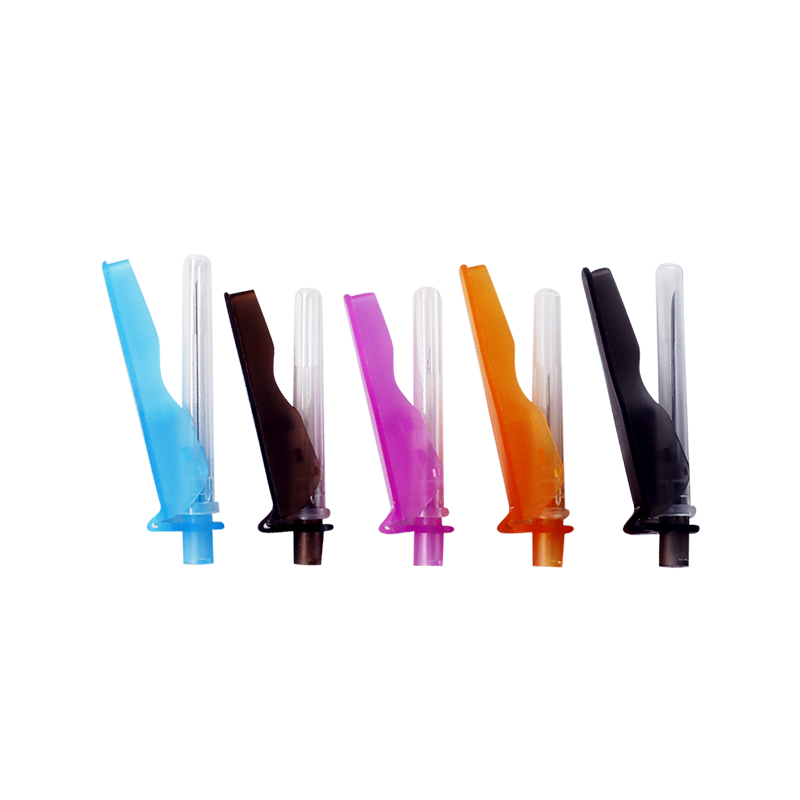 Safety Needle for Single UseIntegrated safety needle for injection and blood collection, with post-use tip guard and individual sterile packaging; useful where needlestick prevention and clear product scope matter.View Product →
Regulatory references should always be read within the applicable product scope. A supplier that is clear about which products are covered, which documents are available, and what changes over time is easier to work with than one that offers only general claims.
A Practical Closing Thought
B12 dosing IM is a small procedure with a large dependence on context. The right regimen comes from the indication, the product label, the patient’s response, and the clinical protocol. The right supplies come from clear specifications, consistent technique, and a supply partner who understands the difference between a syringe that looks adequate and one that supports accurate, comfortable delivery.
At ZYM Medical, we approach disposable medical consumables with a manufacturing mindset: keep the range practical, document what matters, and support clinicians with products that fit the workflow. B12 injection schedules will continue to vary by patient and by market. Good preparation, good technique, and good records remain constant.
Related Product

Related NEWS