


 русский
 عربى
 中文简体

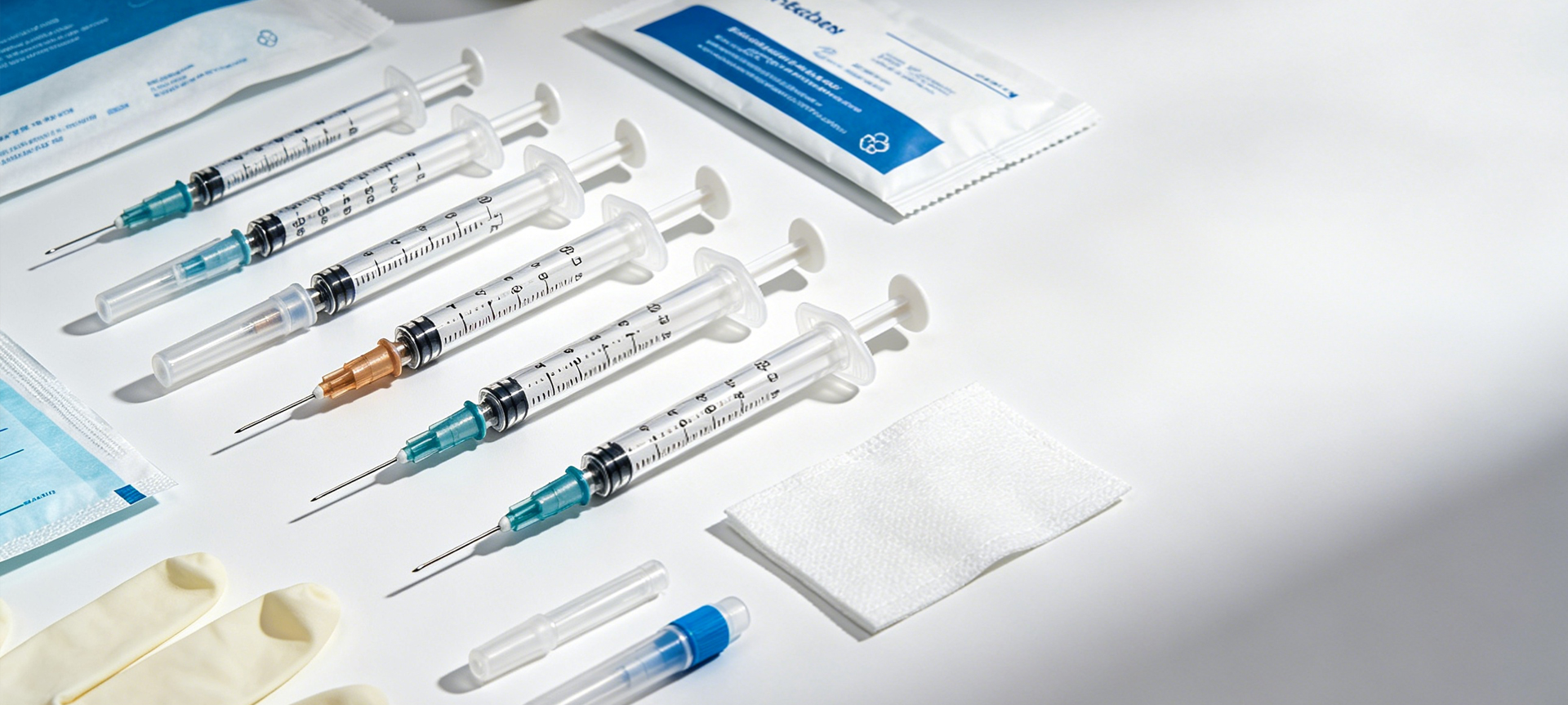
Insulin Syringes
Insulin Syringes are the most typical precision drug delivery product in the disposable syringe system, primarily used for subcutaneous insulin injection. Compared to conventional syringes, this category of products has a more focused purpose, and its design logic emphasizes small volume, clear unit graduations, short and thin needles, and single-use attributes. The FDA's consumer guidelines explicitly list insulin needles and syringes as one of the common insulin delivery devices, widely used in both clinical and home settings. At the technical standards level, ISO 8537, recognized by the FDA, specifically addresses requirements for "sterile disposable syringes (with or without needles) for insulin injection," indicating that this type of product has developed a mature and independent product standard system.
Structurally, Insulin Syringes typically employ a smaller volume range to facilitate more precise dosage management. The most common specifications for mainstream products in this category are 0.3 mL, 0.5 mL, and 1 mL, corresponding to 30, 50, and 100 units in the U-100 system. Most products employ a fixed needle structure, with needle sizes typically ranging from 27G to 31G, and shorter needle lengths such as 8 mm and 12.7 mm are predominant. This is to better suit subcutaneous injections and improve comfort and controllability for daily use. This typical configuration can be seen on Nipro's official product page and BD-related sales channel pages: 0.3/0.5/1 mL, fixed needle, 27–31G, 8 mm or shorter needle length, which has become a very common product combination in the international market.
The core value of this category lies in "precision, stability, and high-frequency daily use." Insulin administration is not a one-time, low-frequency medical procedure, but rather a long-term, regular, and repetitive chronic disease management behavior. Therefore, buyers focus more on the following aspects of the product: clear scale markings, easy dosage reading, sufficiently short and fine needles, smooth injection, clear single-use dosage, and packaging suitable for pharmacy and home distribution. The FDA emphasizes in its insulin guidelines that insulin injections must be performed subcutaneously, and needles and syringes should not be shared. The Cleveland Clinic also points out that subcutaneous injections typically use short, fine needles, and the commonly used injection volume is small, around 1 mL. These characteristics collectively determine that insulin injectors must build their product value around "small dose, subcutaneous, single-use, and easy-to-read scale."
In this niche market, another crucial feature of Insulin Syringes is that their compatibility with the "concentration and calibration system" is more critical than that of ordinary syringes. Mayo Clinic emphasizes on multiple insulin medication pages that dose and concentration are not the same concept, and that the dosage and concentration used must be repeatedly confirmed to be consistent. The FDA, in its announcement regarding the U-500 dedicated syringe, also points out that there were significant conversion risks when patients used U-100 syringes or volumetric syringes to convert U-500 insulin dosages. Therefore, the introduction of the dedicated U-500 syringe aims to reduce dosing errors. In other words, insulin syringes, in commercial presentations, are not merely "small-sized syringes," but should be defined as specialized products closely related to insulin concentration, unit marking, fixed needles, and dosing accuracy.
From the perspective of independent website category building, "Insulin Syringes" is suitable as a separate secondary category because it has a very clear user search intent and product boundaries. Customers entering this page are typically not generally looking for syringes, but rather for highly specific products such as insulin syringes, disposable insulin syringes, U-100 insulin syringes, and fixed needle insulin syringes. Compared to the general category of disposable syringes, the insulin syringe page allows for more targeted content creation based on volume, unit graduations, needle gauge, needle length, needle fixing structure, ease of home use, and long-term chronic disease care needs. It is also better suited for expanding to finer specification levels such as 0.3 mL/0.5 mL/1 mL, 29G/30G/31G, and 8 mm/12.7 mm. For medical device distributors, pharmacy channels, chronic disease care product customers, and the overseas diabetes management market, this category possesses clear professional attributes, stable repurchase logic, and continuous procurement value.
About Us
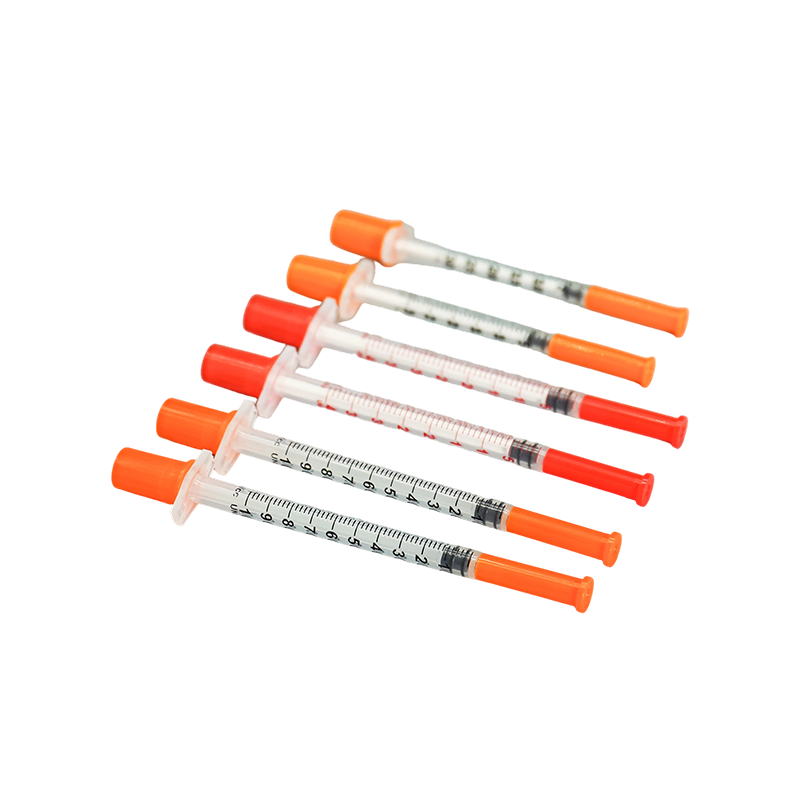
Jiangsu Zhiyu Medical Instrument
As a disposable medical consumables manufacturer and factory in China, Zhiyu advances automation and large-scale manufacturing with a collaborative production system covering injection molding, assembly, testing, and packaging. This enables efficient support for large orders, continuous supply, and long-term cooperation. Zhiyu also prioritizes consistency control and quality management through automated equipment, online testing, and standardized processes, ensuring stable batch output and reliable quality and delivery.

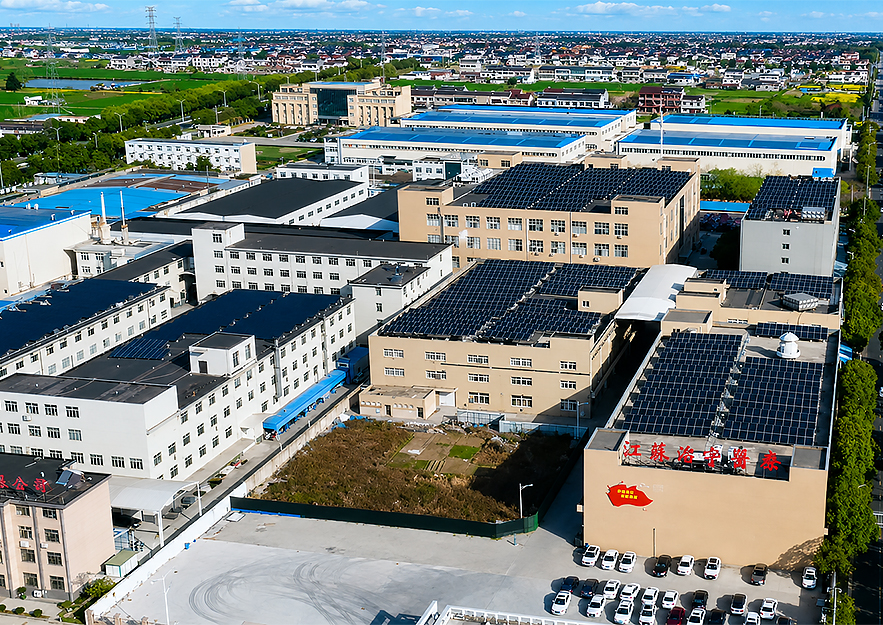
Built for Stable Manufacturing, Clean Production, and Reliable Quality Control
Zhiyu has established a systematic manufacturing system centered around clean production, process control, and quality consistency, which can provide stable support for large-scale orders, long-term cooperation, and project-based supply for applicable product lines. Support OEM/ODM Custom Insulin Syringes.
What Can Be Support
-
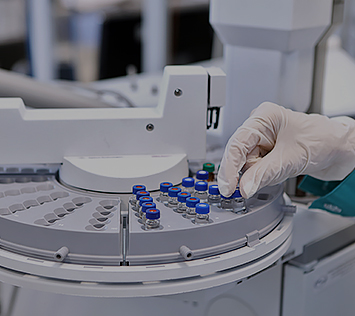 Product matching and assortment planning
-
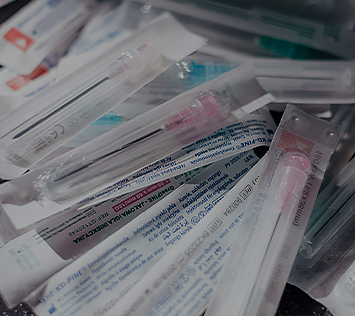 Packaging adaptation and packaging development
-
 Specification confirmation and extension
-
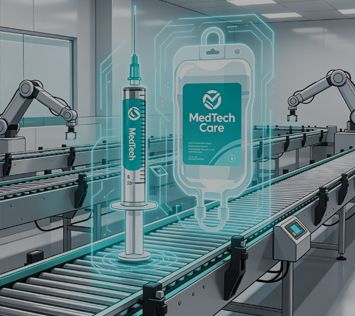 Private label support
-
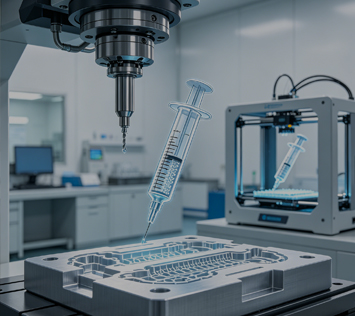 Mold development for applicable projects
-
 Structural optimization
-
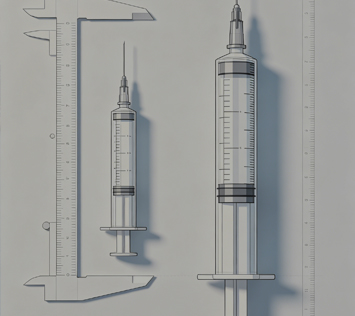 Customized product development
-
 Project-based coordination from sampling to production
Certificate
-
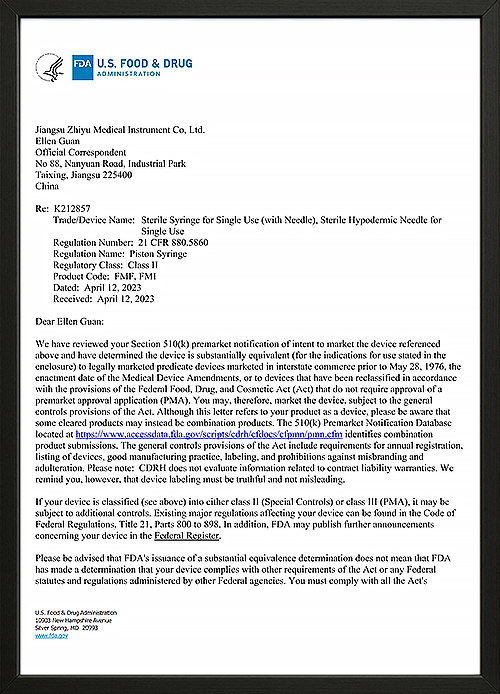
FDA 510(k) Clearance Letter - K212857
-
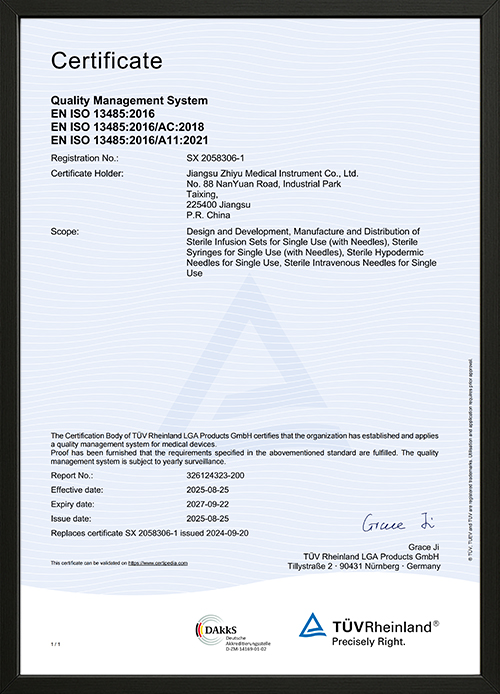
ISO 13485:2016 Certificate
-
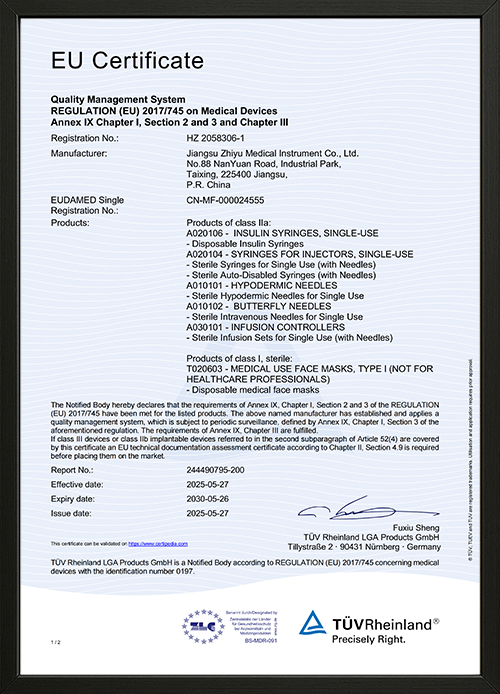
EU MDR Certificate - Regulation (EU) 2017/745
-
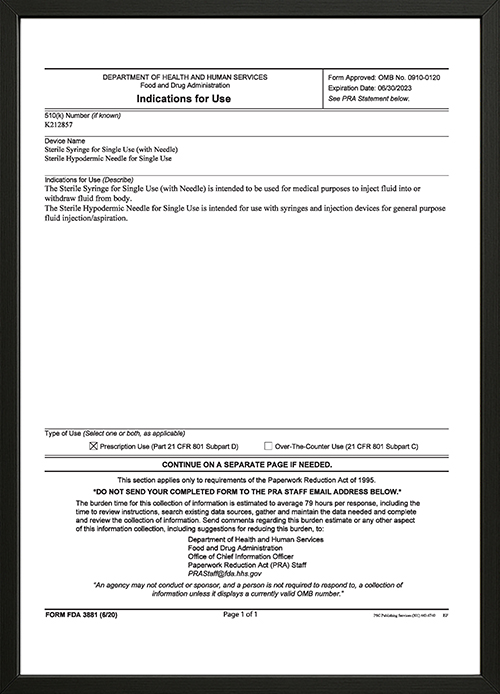
FDA 510(k) Indications for Use - K212857
-
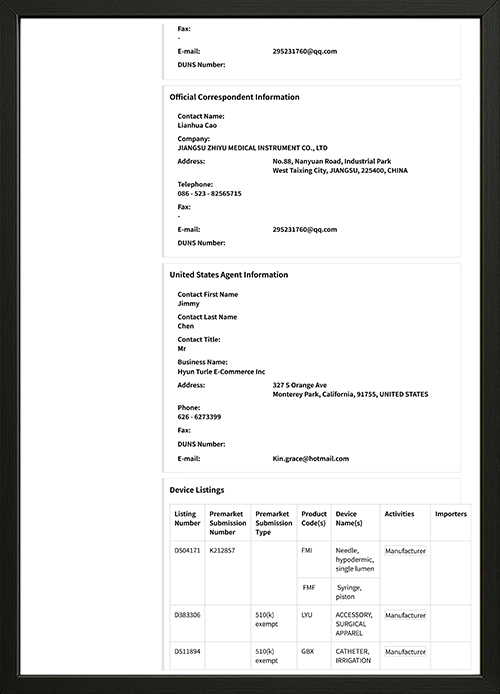
FDA Facility Registration 2026
-
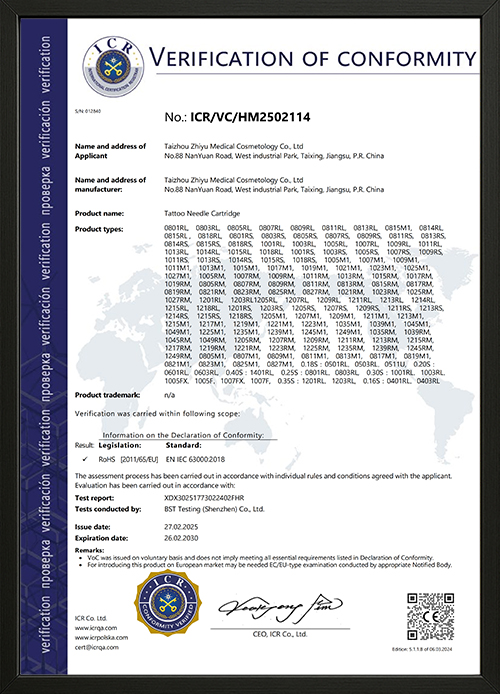
RoHS Verification
-
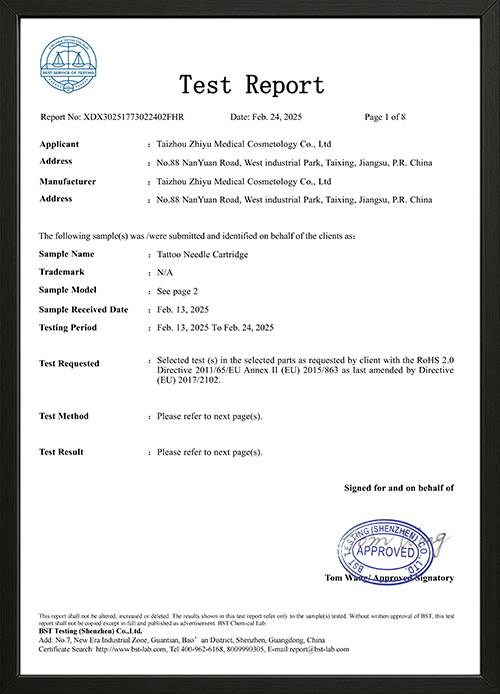
RoHS 2.0 Test Report
-
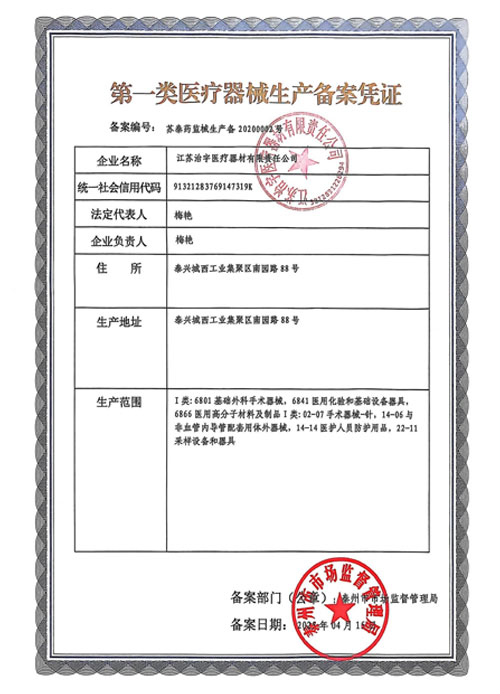
First Class Medical Device Production Filing Certificate
Message Feedback
News
-
Absorbable suture material is one of those quiet workhorses of surgery. It holds tissue together long enough for healing to begin, then disappears wi...
READ MORE -
Choosing between a No. 11 and a No. 15 scalpel blade is less about which blade is “better” and more about matching blade geometry to the cut you need...
READ MORE -
A B12 injection carries a very small volume of solution, often half a millilitre or less, yet the needle that delivers it decides how comfortable the...
READ MORE -
Vitamin B12 replacement looks simple on paper: a small-volume injection, a schedule, and a follow-up plan. In practice, the phrase “b12 dosing im” ra...
READ MORE
Industry Knowledge
Jiangsu Zhiyu Medical Instrument Co., Ltd. is a China-based Insulin Syringes manufacturer supplying sterile single-use insulin syringes for subcutaneous insulin delivery in clinical, pharmacy and home-care channels. Our range covers 0.3 mL, 0.5 mL and 1 mL U-100 configurations with fixed 27G–31G needles, supported by OEM/ODM packaging, specification extension and project-based coordination from sampling to volume production.
A Focused Range Within Our Medical Consumables Portfolio
Insulin syringes sit inside our broader Medical Consumables programme, alongside Disposable Syringes, hypodermic needles, butterfly needles and infusion sets. The category is defined by small-volume precision dosing rather than general injection use: unit graduations, fixed-needle construction and short, fine needles are the design priorities.
We manufacture this family for distributors, pharmacy chains, chronic-care programmes and private-label brand owners. Because insulin administration is a repeated daily behaviour, our production planning treats scale consistency, clear scale printing and packaging suitable for pharmacy and home distribution as core requirements rather than optional features.
Standard Configurations and Specification Range
The mainstream commercial combination is a 0.3/0.5/1 mL barrel with a fixed needle, 27G–31G gauge and short needle length such as 8 mm or 12.7 mm. Our proposal is built around the working concentration, the target patient or channel and the required unit scale.
| Barrel Volume | U-100 Unit Scale | Typical Needle Gauge | Typical Needle Length | Application Fit |
|---|---|---|---|---|
| 0.3 mL | 30 units | 29G–31G | 8 mm | Low-dose regimens, paediatric and fine titration |
| 0.5 mL | 50 units | 28G–31G | 8 mm / 12.7 mm | General adult subcutaneous dosing |
| 1 mL | 100 units | 27G–30G | 12.7 mm | Higher-volume regimens, clinical and hospital supply |
| Concentration-specific | Matched to U-40 / U-100 / U-500 | 27G–31G | 8 mm / 12.7 mm | Markets where scale and concentration must be locked together |
Scale and concentration must be treated as one specification. A U-100 barrel marked in units is not interchangeable with a volumetric syringe when a different concentration is dispensed, so we confirm the concentration system before printing plates or moulds are committed.
Materials, Needle Geometry and Injection Comfort
- Barrel and plunger in medical-grade polymer with a clear wall for reading the unit scale.
- Fixed needle construction to remove dead space and reduce dose loss in small-volume injections.
- Short, thin needle geometry for subcutaneous delivery, with 8 mm and 12.7 mm as the common lengths.
- Luer or fixed-needle variants evaluated against the intended channel and handling routine.
- Single-use, sterile presentation with EO sterilisation and lot identification on the unit pack.
Manufacturing, Capacity and Quality Control
Zhiyu operates a collaborative production system covering injection moulding, assembly, testing and packaging on related product lines, with automated equipment, online inspection and standardised quality control supporting batch consistency. Our insulin syringe line is produced under cleanroom conditions with in-line inspection and retained samples managed through shelf life.
For applicable product lines we hold ISO 13485:2016 certification, EU MDR quality management system certification covering insulin syringes among other products, FDA establishment registration and device listing, and FDA 510(k) clearance for specified sterile syringe and hypodermic needle products. Regulatory scope differs by product and target market, so the applicable documents are confirmed against the specific item and destination before a project is released.
OEM/ODM, Packaging and Private Label
Beyond standard supply, we support product matching and assortment planning, specification confirmation and extension, packaging adaptation and development, private-label support, structural optimisation and, for suitable projects, mould development and customised product development. This allows a distributor or brand owner to move from a product concept through sampling and validation into volume production without changing manufacturing partner.
Packaging can be planned as neutral bulk, colour box, blister or PE bag formats with multilingual label design, matched to pharmacy, hospital or home-care distribution. The Insulin Syringes range is also available alongside related single-use items such as Medical Needles & IV Products for consolidated shipments.
Information We Use to Configure Your Solution
To prepare a configuration and quotation we work from the following project inputs. Early clarity on concentration, scale and packaging shortens the path from evaluation to sampling.
- Barrel volume and unit scale, plus the insulin concentration system in use.
- Needle gauge, needle length and fixed or separate needle preference.
- Target market and the regulatory documents required for registration or tender.
- Packaging format, label language and whether private label is needed.
- Estimated order quantity, delivery schedule and repeat-order expectation.
- Any drawings, reference samples or competitor samples that define the target product.
Installation, Handling and Serviceability
Insulin syringes are supplied sterile and ready for use, so the practical requirements are storage, handling and traceability rather than on-site installation. We recommend storage in a dry, protected area within the labelled temperature range, with stock rotated by lot and packaging kept intact until use.
For repeat programmes we maintain inspection records, quality reports and retained samples, and we coordinate spare or replacement supply through the same project channel. Documentation and training material can be prepared around the agreed specification so that receiving, storage and dispensing staff work from one reference.
Frequently Asked Questions
Which insulin syringe sizes does Zhiyu manufacture?
We produce 0.3 mL, 0.5 mL and 1 mL barrels corresponding to 30, 50 and 100 units in the U-100 system, with fixed needles in the 27G–31G range and common lengths of 8 mm and 12.7 mm. Other combinations are evaluated as specification extensions.
Can you supply syringes matched to a specific insulin concentration?
Yes. Scale and concentration are confirmed together at the start of the project so that the printed unit markings match the concentration the product will be used with. This is particularly relevant where U-40, U-100 or U-500 systems coexist in one market.
Do you support OEM and private-label insulin syringe projects?
We support OEM/ODM cooperation covering packaging adaptation, specification extension, private-label support, structural optimisation and, for applicable projects, mould development and customised product development, with coordination from sampling through to volume production.
What quality and regulatory documents are available?
For applicable product lines we hold ISO 13485:2016 certification, EU MDR quality management system certification, FDA establishment registration and device listing, and FDA 510(k) clearance for specified sterile syringe and hypodermic needle products. The applicable documents are confirmed against the specific product and target market.
How is batch consistency controlled during production?
Production runs under cleanroom conditions with automated equipment, in-line inspection and standardised quality control procedures. Incoming material, in-process and final product inspection are recorded, and retained samples are kept through shelf life for traceability.
What information is needed for a quotation?
Barrel volume, unit scale, needle gauge and length, packaging format, target market, estimated quantity and whether private label is required. Drawings, photos or reference samples help us confirm the specification more precisely before sampling.
OEM & ODM Support Beyond Standard Supply
As OEM/ODM Insulin Syringes Factory in China, Zhiyu can provide OEM/ODM cooperation support around different product lines, covering packaging adaptation, specification expansion, mold
development, structural optimization, and customized product development. Relying on our project-based supporting capabilities, we help
customers smoothly advance product concepts to sampling, validation, and large-scale production.
Focusing on the manufacturing of disposable consumables, Zhiyu provides stable supply, flexible OEM/ODM cooperation, and project-based support
around global customer needs.
-
No.88, Nanyan Road, Industrial Park, West Taixing City, Jiangsu Province

-
+86-523-82565721

+86-13815970397 -
zy01@zymedical.com

Copyright ©
Jiangsu Zhiyu Medical Instrument Co., Ltd. Approval No: 苏泰药监械生产备20200002号 This website is aimed at regions outside of China
