


 русский
 عربى
 中文简体

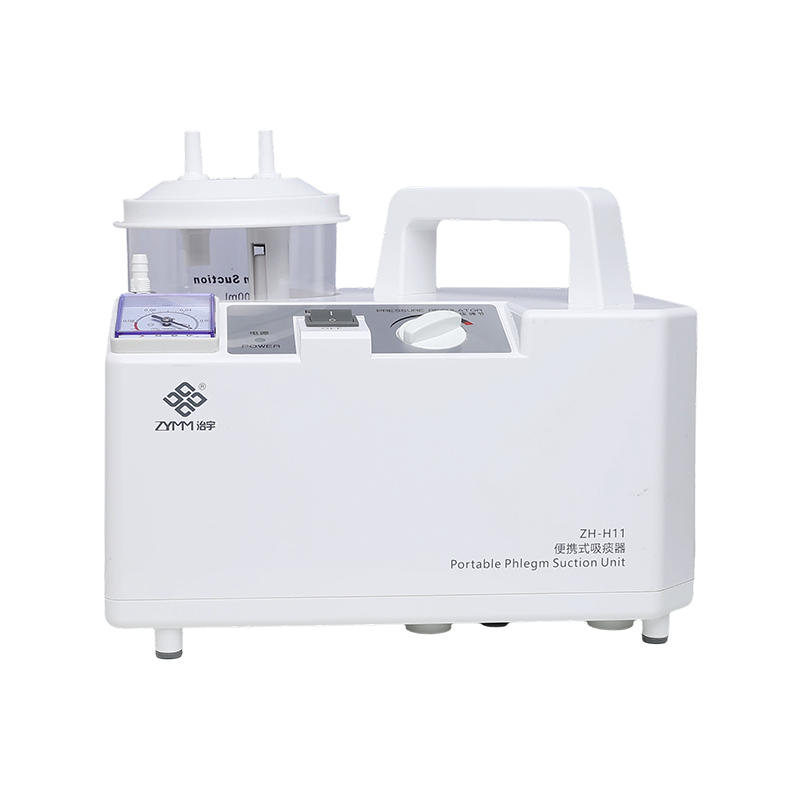
Suction Machines
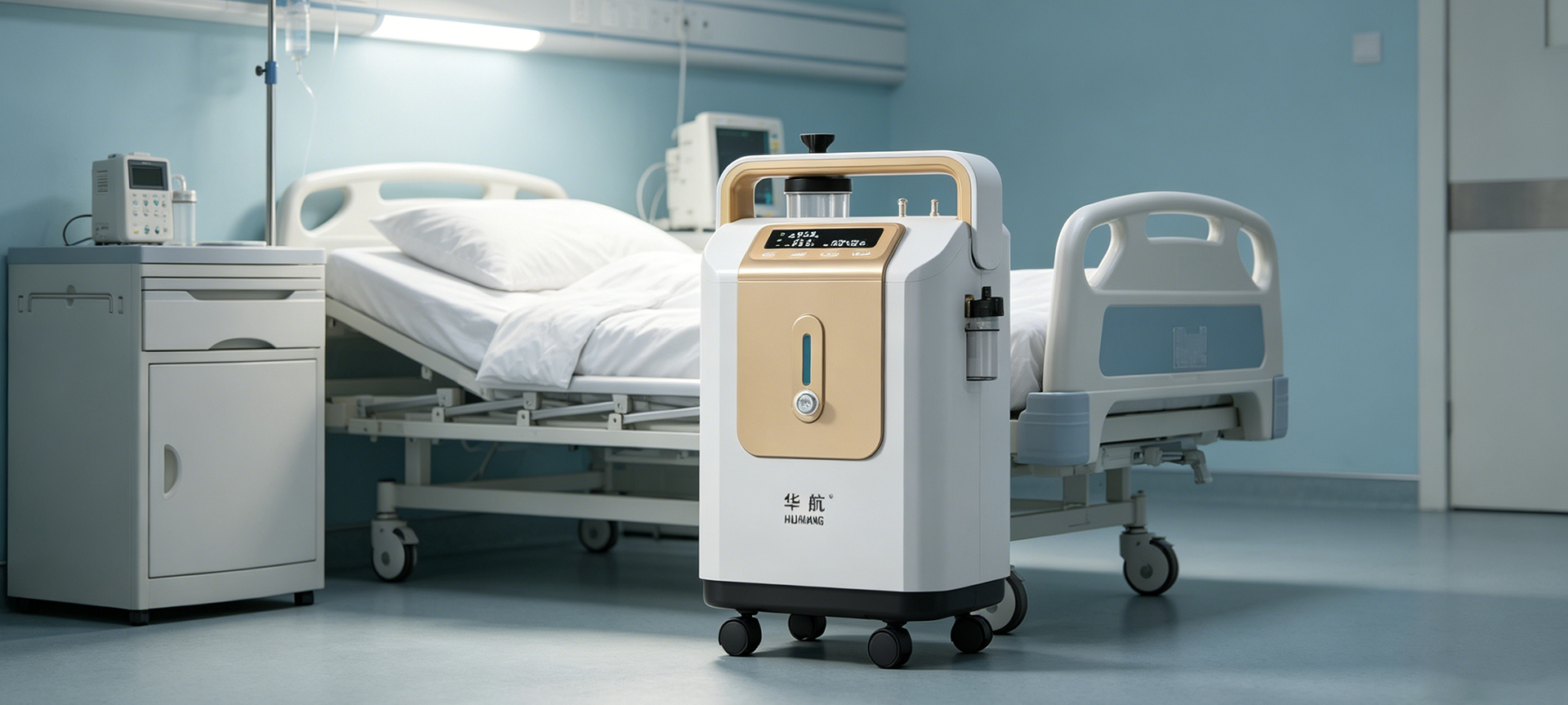
Suction Machines are nursing and medical devices that use negative pressure suction to remove secretions, sputum, blood, or vomit. They are widely used in home care, post-operative care, primary healthcare, emergency transport, and related airway management scenarios. Their core function is to help maintain airway patency, reduce the nursing stress caused by retained secretions, and provide stable and controllable negative pressure support for environments requiring suctioning. Mainstream product information typically positions these devices as suitable for homecare, hospital, transport, or emergency use." Basic suction equipment.
This category typically includes portable suction devices, dual-powered suction devices, and some suction devices with higher negative pressure or higher flow rates. Portable products emphasize small size, portability, and suitability for home and outpatient care; dual-powered or battery-powered products are more suitable for mobile care, transport scenarios, and customers requiring mobility. Common selling points on similar products in the industry include adjustable negative pressure, stable flow rate, collection bottle configuration, overflow protection, hydrophobic filters, anti-backflow design, and battery life. These factors collectively determine the practical value of suction devices in different care environments.
The core value of suction devices lies in their direct operation, clear purpose, and strong equipment attributes. For end-users and nursing facilities, it is a functional device with a very clear purpose; for distributors and channel customers, it is an important product that can reliably enter the catalogs of home care, respiratory care, and basic medical equipment. Common performance ranges in mainstream product specifications include a negative pressure range of approximately 250–635 mmHg and a flow rate of approximately 27–30 L/min. The free flow rate or maximum airflow rate indicates that this type of device is typically built around the capabilities of "high vacuum, high flow rate, continuous or intermittent suction."
Structurally, a Suction Machines usually consists of a main unit, a collection bottle, suction tubing, a filtration system, and a power system. Many similar products are equipped with overflow protection devices, hydrophobic filters, or antibacterial filtration structures to reduce liquid backflow into the pump body and help improve overall safety. Portable models also incorporate batteries, power displays, carrying cases, or accessory storage designs to meet the needs of mobile care and out-of-home use. This product structure makes a suction device not just a device, but a complete system that can be directly integrated into care scenarios.
In practical applications, suction devices cover a very wide range of scenarios. Home care users typically focus on whether the device is portable, easy to clean, and suitable for long-term home use; nursing homes and primary care clients typically focus more on vacuum capability, flow rate performance, continuous operation capability, and overall durability; emergency and transport scenarios prioritize whether the device supports battery power, is easy to carry, and is suitable for rapid use in mobile environments. Portable suction devices clearly state that these products can be used to remove secretions, blood, or vomit from the airway to aid ventilation; similar products from Rossmax and Drive Medical also emphasize home-care, hospital, post-operative, and transport applications.
From a product line development perspective, Suction Machines are well-suited to exist as a separate category within home care equipment. They can form a complete respiratory and care equipment system alongside nebulizers, oxygen concentrators, and other products, while possessing very clear functional boundaries and market positioning. For customers, the appeal of this category lies in its clear uses, genuine needs, and stable catalog position; for the supply chain, it can be sold as a standalone device or configured as a key component in a series of care equipment. Whether for home care, equipment distribution, medical channels, or international market promotion, suction devices represent a practical care device with stable purchasing value and a sustainable market foundation.
About Us
Jiangsu Zhiyu Medical Instrument
As a disposable medical consumables manufacturer and factory in China, Zhiyu advances automation and large-scale manufacturing with a collaborative production system covering injection molding, assembly, testing, and packaging. This enables efficient support for large orders, continuous supply, and long-term cooperation. Zhiyu also prioritizes consistency control and quality management through automated equipment, online testing, and standardized processes, ensuring stable batch output and reliable quality and delivery.
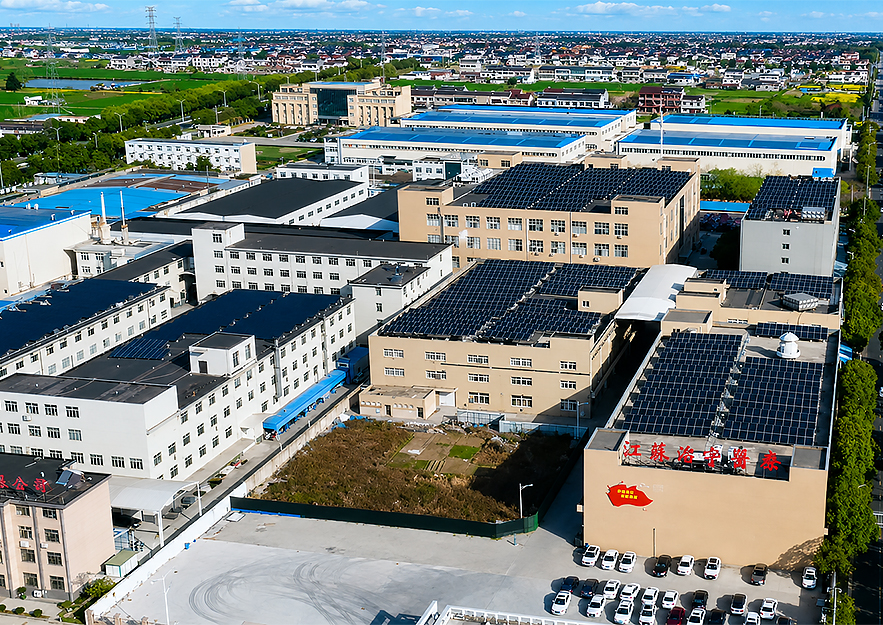
Built for Stable Manufacturing, Clean Production, and Reliable Quality Control
Zhiyu has established a systematic manufacturing system centered around clean production, process control, and quality consistency, which can provide stable support for large-scale orders, long-term cooperation, and project-based supply for applicable product lines. Support Custom Medical Suction Machine.
What Can Be Support
-
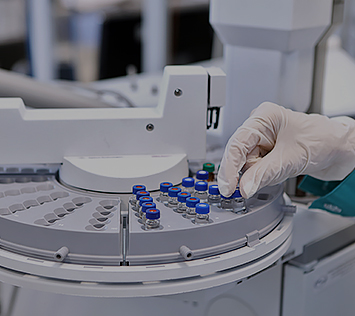 Product matching and assortment planning
-
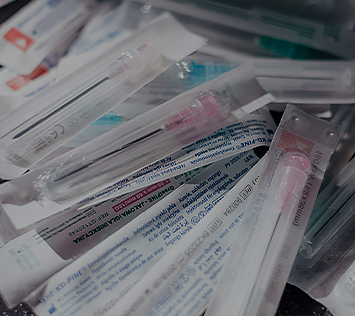 Packaging adaptation and packaging development
-
 Specification confirmation and extension
-
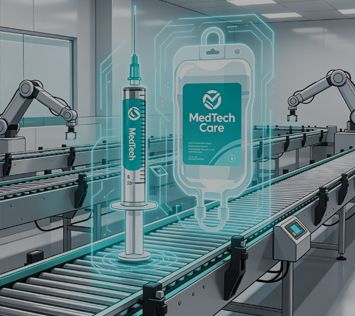 Private label support
-
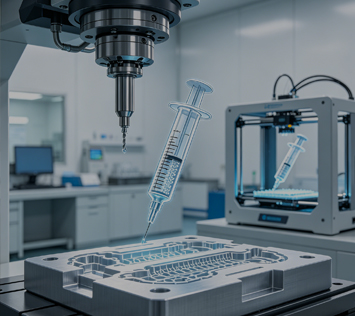 Mold development for applicable projects
-
 Structural optimization
-
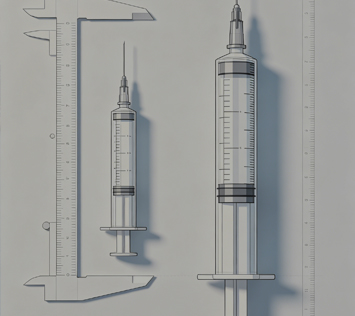 Customized product development
-
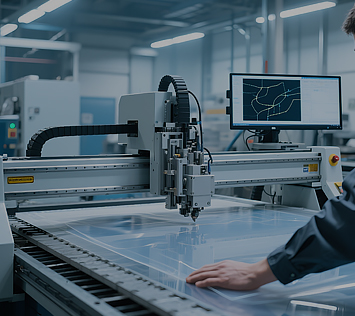 Project-based coordination from sampling to production
Certificate
-
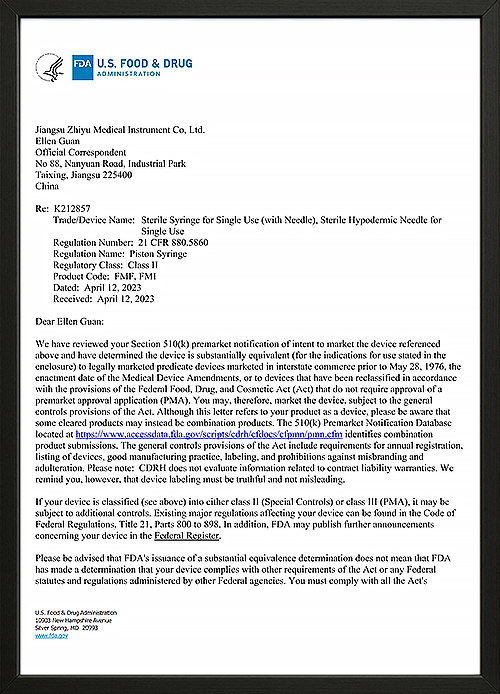
FDA 510(k) Clearance Letter - K212857
-
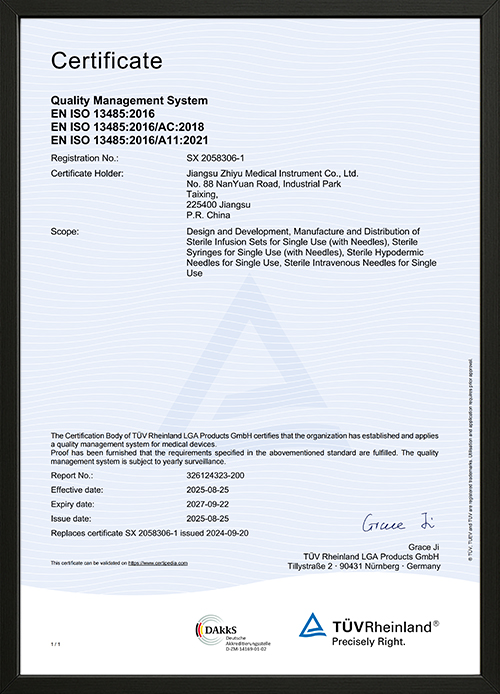
ISO 13485:2016 Certificate
-
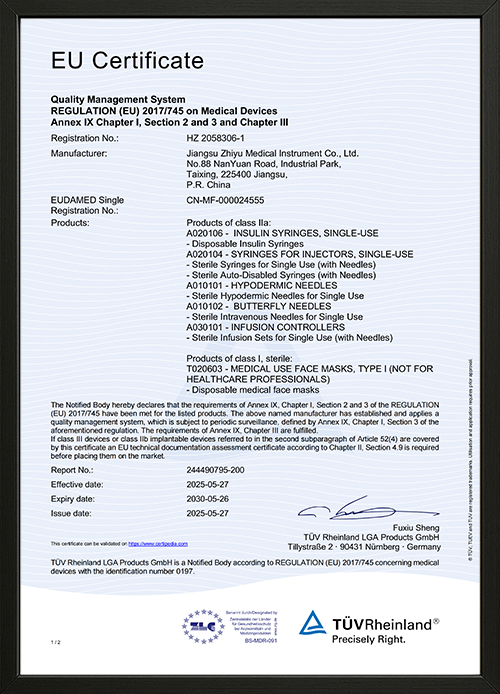
EU MDR Certificate - Regulation (EU) 2017/745
-
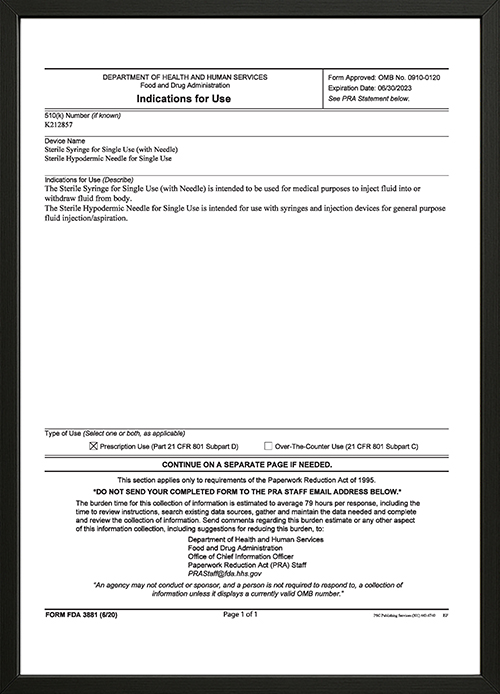
FDA 510(k) Indications for Use - K212857
-
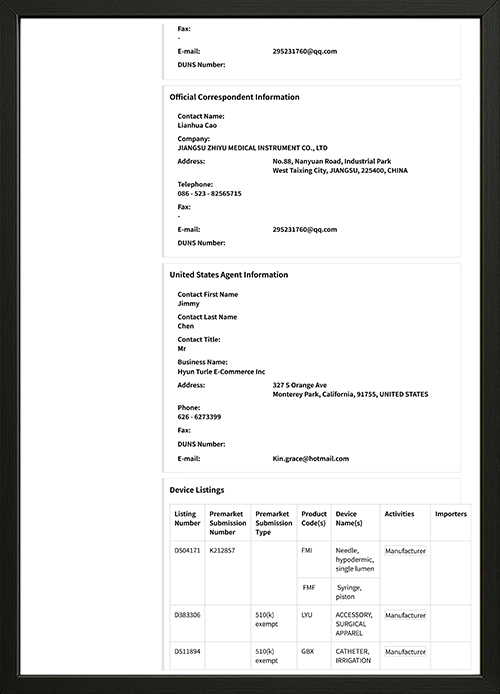
FDA Facility Registration 2026
-
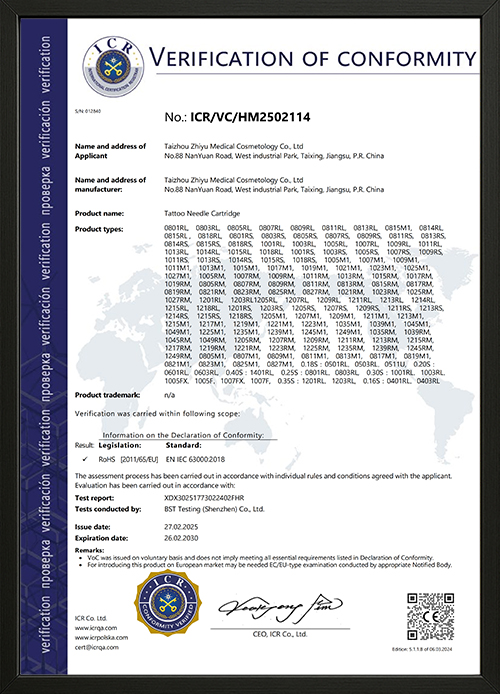
RoHS Verification
-
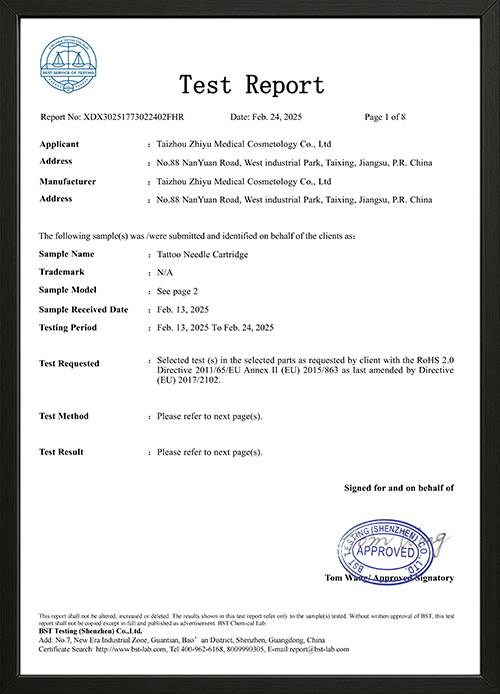
RoHS 2.0 Test Report
-
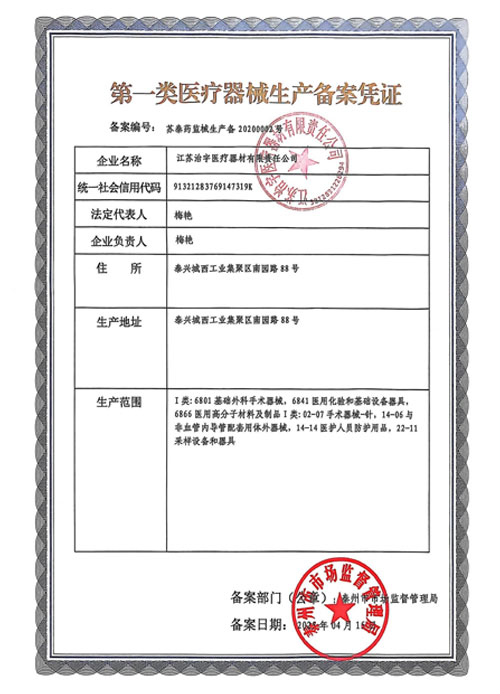
First Class Medical Device Production Filing Certificate
Message Feedback
News
-
Absorbable suture material is one of those quiet workhorses of surgery. It holds tissue together long enough for healing to begin, then disappears wi...
READ MORE -
Choosing between a No. 11 and a No. 15 scalpel blade is less about which blade is “better” and more about matching blade geometry to the cut you need...
READ MORE -
A B12 injection carries a very small volume of solution, often half a millilitre or less, yet the needle that delivers it decides how comfortable the...
READ MORE -
Vitamin B12 replacement looks simple on paper: a small-volume injection, a schedule, and a follow-up plan. In practice, the phrase “b12 dosing im” ra...
READ MORE
Industry Knowledge
Jiangsu Zhiyu Medical Instrument Co., Ltd. manufactures and supplies Suction Machines manufacturer for airway clearance, post-operative care, home nursing, primary healthcare and emergency transport. We build these devices around negative-pressure suction, collection-bottle systems and filtration protection, and we support OEM/ODM projects from specification confirmation through sampling and volume production.
What We Manufacture in This Category
Suction machines are nursing and medical devices that use negative pressure to remove secretions, sputum, blood or vomit from the airway. Our range covers portable suction devices, dual-powered and battery-supported units, and configurations built for higher negative pressure or higher flow-rate demand. Each unit is supplied as a complete system: main unit, collection bottle, suction tubing, filtration and a power system.
We position this category for customers who need a functional device with a clear clinical purpose and a stable catalog position. It sits naturally alongside Nebulizers and Oxygen Concentrators in a respiratory and care-equipment program.
Range and Application Fit
We configure the range around the care environment rather than a single fixed specification. The table below shows how each product type is positioned and which project inputs drive the final configuration.
| Product Type | Typical Application | Key Configuration Focus |
|---|---|---|
| Portable suction device | Home care, outpatient, long-term nursing | Compact size, carrying case, easy cleaning, accessory storage |
| Dual-powered / battery-supported unit | Mobile care, transport, emergency use | Battery life, power display, rapid deployment, portability |
| Higher vacuum / higher flow configuration | Nursing homes, primary care, continuous operation | Vacuum capability, flow rate, durability, collection bottle size |
| Complete suction set | Hospital, post-operative, airway management | Tubing, hydrophobic filter, overflow protection, anti-backflow design |
Critical Specifications We Work To
Mainstream suction machine specifications are built around high vacuum, high flow and continuous or intermittent suction. Common performance ranges in this product family include a negative pressure range of approximately 250–635 mmHg and a flow rate of approximately 27–30 L/min. We confirm the working point against the intended care environment before finalizing a configuration.
- Negative pressure range: adjustable to suit adult, pediatric or general nursing use.
- Flow rate: free flow or maximum airflow rate matched to secretion volume and tubing length.
- Collection bottle: capacity and mounting position selected for the care setting.
- Overflow protection: float or shut-off design to reduce liquid entry into the pump body.
- Filtration: hydrophobic or antibacterial filter structure to protect the pump and reduce contamination risk.
- Anti-backflow design: tubing and bottle geometry that limits reverse flow.
- Power system: mains, battery or dual power, with power display where required.
Materials, Structure and Operator Safety
The wetted path and collection system are specified for repeated cleaning and disinfection in clinical and home environments. We select medical-grade polymers and compatible tubing materials, and we review the bottle, cap, filter housing and tubing connection as one assembly so that overflow protection and filtration work together.
Operator safety is addressed through the suction set design rather than a single component. Overflow protection, hydrophobic filtration, anti-backflow geometry and clear tubing routing reduce the chance of liquid reaching the pump and help keep the working area controlled. Portable models add carrying cases and accessory storage so that the device can be moved and stored without exposing the tubing or bottle.
Configuration Options and OEM/ODM Support
We support standard supply and project-based customization. For customers who need a differentiated product, we evaluate the requirement and propose a practical configuration path.
Specification Confirmation
Vacuum range, flow rate, bottle size and power mode confirmed against the application.
Packaging Adaptation
Neutral, color-box or private-label packaging with multilingual label support.
Structural Optimization
Mold development and structural changes for injection-molded parts and related components.
Project Coordination
Support from sampling and validation through to volume production.
Quality Control and Documentation
Our manufacturing system is built around clean production, process control and batch consistency. For applicable product lines, we operate automated equipment, in-line inspection and standardized quality-control procedures. Our in-house laboratory and testing center covers incoming material inspection, in-process inspection and final product inspection, with retained samples and inspection records archived according to internal procedures.
Regulatory documentation is product-specific. Current documentation includes ISO 13485:2016 certification, EU MDR certification for applicable product lines, FDA 510(k) clearance for specified sterile syringe and hypodermic needle products, and FDA establishment registration and device listing. Because different product lines fall under different regulatory scopes, we confirm the applicable documents for each suction machine project and target market before shipment.
Installation, Maintenance and Serviceability
Suction machines are installed as a complete set. We supply the main unit, collection bottle, suction tubing and filtration components together so that the assembly can be commissioned without mismatched parts. For portable and dual-powered units, we include carrying cases and accessory storage to support mobile use and safe transport.
- Collection bottle and tubing are designed for routine removal, cleaning and replacement.
- Filters and overflow components are replaceable service items.
- Battery-supported models use a rechargeable power system with power indication.
- Spare parts and replacement accessories are supplied according to the confirmed configuration.
Information We Use to Configure Your Solution
To prepare a suitable configuration and quotation, we work from the application and the working point. The following project inputs let us match the device, the suction set and the packaging to your market.
| Project Input | Why We Need It |
|---|---|
| Application scenario | Home care, hospital, transport or emergency use determines portability and power mode. |
| Required negative pressure and flow rate | Sets the pump and valve configuration and the achievable working point. |
| Collection bottle capacity | Matches secretion volume, nursing routine and device footprint. |
| Power requirement | Mains, battery or dual power, with or without power display. |
| Target market and regulatory scope | Determines which documents and labeling apply to the shipment. |
| Packaging and branding | Neutral, color box or private label, with multilingual label requirements. |
| Estimated order quantity | Supports production planning and batch scheduling. |
Frequently Asked Questions
Are you a suction machine manufacturer or a trading company?
We are a manufacturing-oriented company based in Taixing, Jiangsu, China. Our production system covers injection molding, assembly, testing and packaging for applicable product lines, and we supply suction machines as part of our Healthcare Devices range.
What negative pressure and flow rate can you supply?
Mainstream configurations in this product family operate at approximately 250–635 mmHg negative pressure and approximately 27–30 L/min flow rate. We confirm the exact working point against your application, tubing length and collection bottle before finalizing the specification.
Do you support OEM and private-label suction machine projects?
Yes. We support packaging adaptation, specification extension, private-label support, mold development for applicable projects, structural optimization and customized product development. Projects are coordinated from sampling and validation through to volume production.
Which safety features are included in the suction set?
Depending on configuration, the set can include overflow protection, a hydrophobic or antibacterial filter, anti-backflow design and a collection bottle sized to the application. These features work together to reduce liquid entry into the pump body and support controlled suctioning.
What documents are available for registration and tender use?
For applicable product lines we hold ISO 13485:2016 certification, EU MDR certification, FDA 510(k) clearance for specified products, and FDA establishment registration and device listing. Because regulatory scope differs by product, we confirm the applicable documents for each suction machine project and target market.
Can suction machines be supplied together with other care equipment?
Yes. Suction machines can be ordered as standalone devices or configured alongside our Healthcare Devices range, including nebulizers and oxygen concentrators, so that a distributor or care provider can build a coordinated respiratory and nursing equipment catalog.
OEM & ODM Support Beyond Standard Supply
As Custom Medical Suction Machine Factory in China, Zhiyu can provide OEM/ODM cooperation support around different product lines, covering packaging adaptation, specification expansion, mold
development, structural optimization, and customized product development. Relying on our project-based supporting capabilities, we help
customers smoothly advance product concepts to sampling, validation, and large-scale production.
Focusing on the manufacturing of disposable consumables, Zhiyu provides stable supply, flexible OEM/ODM cooperation, and project-based support
around global customer needs.
-
No.88, Nanyan Road, Industrial Park, West Taixing City, Jiangsu Province

-
+86-523-82565721

+86-13815970397 -
zy01@zymedical.com

Copyright ©
Jiangsu Zhiyu Medical Instrument Co., Ltd. Approval No: 苏泰药监械生产备20200002号 This website is aimed at regions outside of China
