русский
 عربى
 中文简体


0.3 ml syringe measurements: Applications, Selection Criteria, and Practical Guidance
Content
- 1 What 0.3 mL Means on the Barrel
- 2 Reading the Scale, Step by Step
- 3 How Graduations Compare Across Common Barrel Sizes
- 4 Small-Volume Pitfalls Worth Watching
- 5 Choosing the Right Syringe and Needle for a 0.3 mL Dose
- 6 Handling, Storage and Single-Use Discipline
- 7 Sourcing Small-Volume Syringes with Consistent Markings
A 0.3 mL syringe is the smallest barrel in everyday use, and it is also the one most often misread. Thirty units of U-100 insulin, a fraction of a milliliter of local anesthetic, a few drops of oral medicine for a child — all of these fit inside a barrel barely wider than a pencil, and all of them depend on the marks being read correctly. Because the graduations sit close together, a small slip of the eye can shift a dose by several units.
This guide walks through what the markings on a 0.3 mL syringe actually represent, how to read them at eye level, where that scale sits next to 0.5 mL and 1 mL barrels, and which habits tend to cause errors. It is written for nurses, caregivers, veterinary staff and buyers who need the numbers to be right the first time, not approximately right.
What 0.3 mL Means on the Barrel
Every syringe is labeled by capacity, not by the dose you happen to be drawing. A 0.3 mL barrel holds 0.3 mL of fluid and no more; the printed scale simply divides that capacity into readable steps. The same volume can be written as 0.3 mL or 0.3 cc — the two are identical — but the numbers printed along the barrel may be units, milliliters, or both, and that is where confusion starts.
On a U-100 insulin scale, which carries 100 units per milliliter, a full 0.3 mL barrel equals 30 units. That relationship is fixed: 0.1 mL is 10 units, 0.2 mL is 20 units, and 0.3 mL is 30 units. A U-40 syringe uses a different scale, so the same physical barrel would correspond to a different unit count. Never assume the scale is U-100 because the barrel is small — check the printing on the barrel and the packaging first.
The parts that matter when measuring
- The barrel, which carries the printed graduations and the capacity label.
- The plunger, ending in a rubber or synthetic stopper that forms the seal.
- The stopper's flat upper edge, which is the actual reading line.
- The hub and needle, which hold a small residual volume after the plunger is fully pushed in.
That third point deserves emphasis. The dose is read where the flat edge of the stopper meets the scale, not at the tip of the plastic rod and not at the far side of the rubber seal. Many of the errors reported with small barrels come from reading the wrong edge of the plunger.
Reading the Scale, Step by Step
Small barrels reward a repeatable routine. The sequence below works whether you are drawing insulin, an oral dose, or a small volume of anesthetic.
- Hold the syringe at eye level so the scale runs horizontally. Looking down at the barrel introduces parallax, and on a 0.3 mL barrel a slight tilt can look like half a unit.
- Draw slightly past the target, then push the excess back into the vial or discard it, so the final adjustment is made by pushing rather than pulling. This removes air from the path and gives a cleaner stop.
- Tap the barrel to send bubbles to the top, then expel them before the final adjustment.
- Align the flat upper edge of the stopper with the chosen graduation, and confirm the reading with a second look from a slightly different angle.
- Check that the number makes sense in context — 0.3 mL should never read as 3 units or 30 mL, and a half-unit scale should show the dose in half-unit steps.
On barrels printed only in milliliters, one small line typically represents 0.01 mL on a 0.3 mL or 1 mL barrel, while a 3 mL barrel usually divides each 0.1 mL into steps of 0.1 mL. A dose of 0.3 mL therefore falls on the tenth line of a 0.3 mL barrel but only on the third small line of a 3 mL barrel, which is exactly why the larger syringe is a poor choice for such a small draw.
How Graduations Compare Across Common Barrel Sizes
The table below puts the most common barrel sizes side by side. The key column is the third one: as the barrel grows, each printed step covers more volume, and the resolution available for a 0.3 mL dose falls away.
| Barrel capacity | Typical smallest graduation | U-100 units per graduation | Best suited to |
|---|---|---|---|
| 0.3 mL | 1 unit, or 0.5 unit on half-unit scales | 1 unit (0.5 unit on half-unit scales) | Doses under 30 units; small pediatric, dental or aesthetic volumes |
| 0.5 mL | 1 unit | 1 unit | Doses from roughly 30 to 50 units |
| 1 mL | 0.01 mL | 1 unit | Doses up to 100 units; general small-volume work |
| 3 mL | 0.1 mL | 10 units | Flushes, irrigation and larger draws |
Reading across the rows makes the practical rule obvious: match the barrel to the dose, not to what happens to be open on the trolley. When the dose is 0.3 mL or less, a 0.3 mL barrel gives the finest readable steps, and a 0.5 mL barrel is an acceptable fallback if the scale is clear.
Small-Volume Pitfalls Worth Watching
Most measurement problems with 0.3 mL syringes are not arithmetic errors. They come from handling habits and from small design details that matter far more at this scale than on a 10 mL barrel.
- Reading the plunger rod tip instead of the stopper edge, which can exaggerate the dose by a visible margin.
- Using a 3 mL syringe for a 0.3 mL dose, where one small line equals ten units and the reading becomes a guess.
- Ignoring dead space in the hub. A conventional hub can trap a few hundredths of a milliliter, which is a meaningful share of a 0.3 mL fill, so low-dead-space designs are worth specifying for very small doses.
- Leaving an air bubble in the barrel and counting it as liquid.
- Converting between units and milliliters in your head mid-procedure. Pick one language and stay in it.
- Assuming every small barrel is U-100 without checking the packaging and the scale printing.
The simplest defense is a second pair of eyes for high-risk doses, especially when the volume is under 0.1 mL. A colleague checking the stopper edge against the printed scale takes seconds and catches most of the errors listed above.
Choosing the Right Syringe and Needle for a 0.3 mL Dose
Barrel choice sets the resolution; needle choice sets the comfort and the residual volume. Insulin syringes with 0.3 mL barrels are usually fitted with short, fine needles, commonly in the 30 to 32 gauge range with lengths around 4 to 8 mm, which suits subcutaneous injection. General-purpose syringes intended for small volumes often carry longer needles in the 23 to 27 gauge range, appropriate for vial draws or deeper routes.
A higher gauge number means a thinner needle, and a thinner needle on a small barrel keeps the draw smooth without adding noticeable dead space. If the same 0.3 mL dose is drawn repeatedly in a clinic setting, standardizing on one barrel and one needle combination removes a surprising amount of variation between operators.
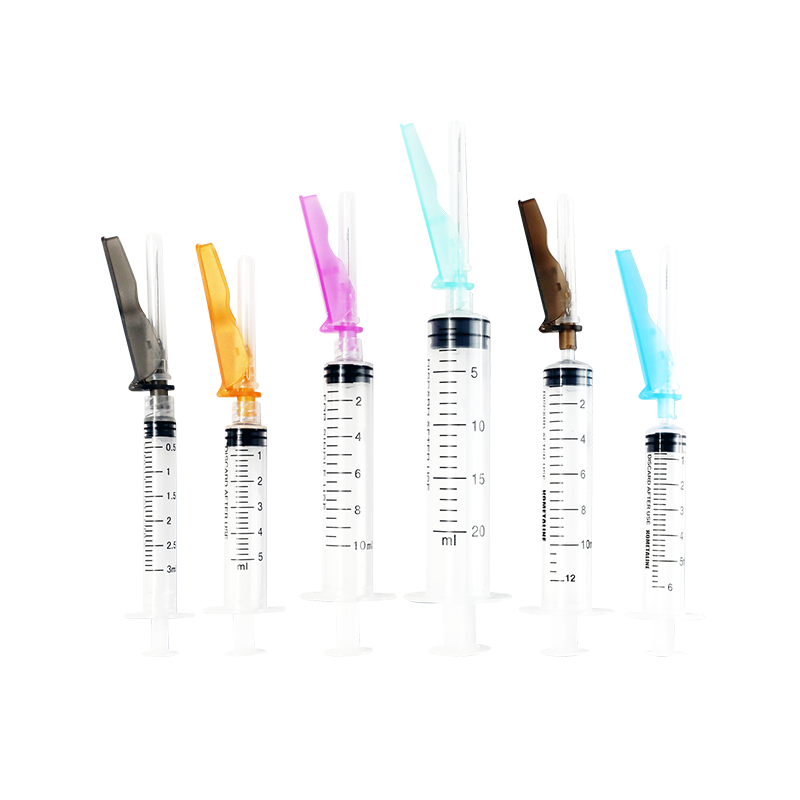
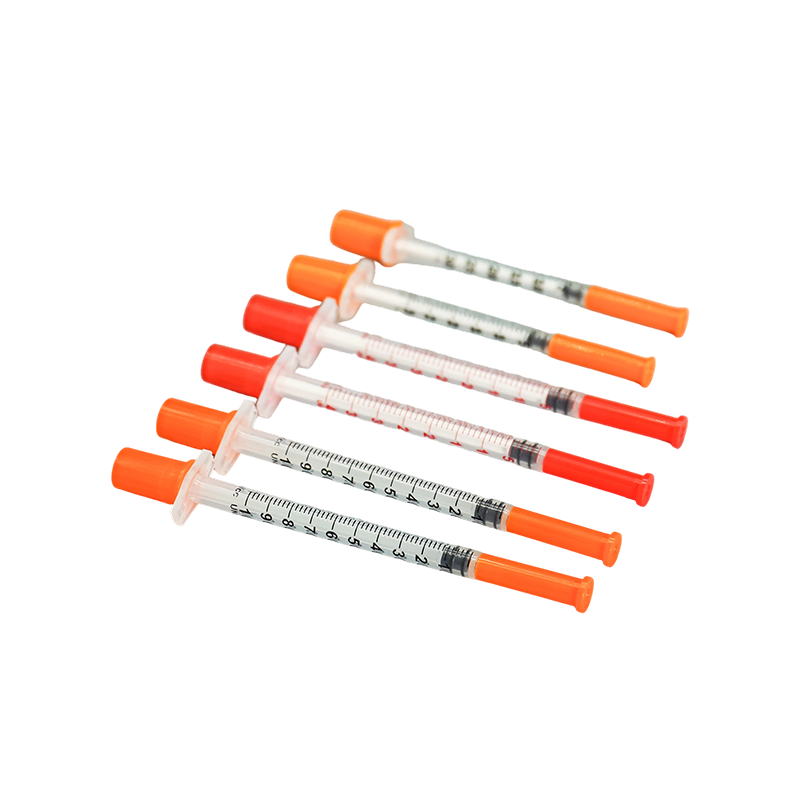 Disposable Insulin Syringe with Fine-Gauge Fixed NeedleView this for small-volume insulin dosing: 0.3–1 mL barrels, 40/100 IU graduations, and fine-gauge fixed needles that reduce dead space.View Product →
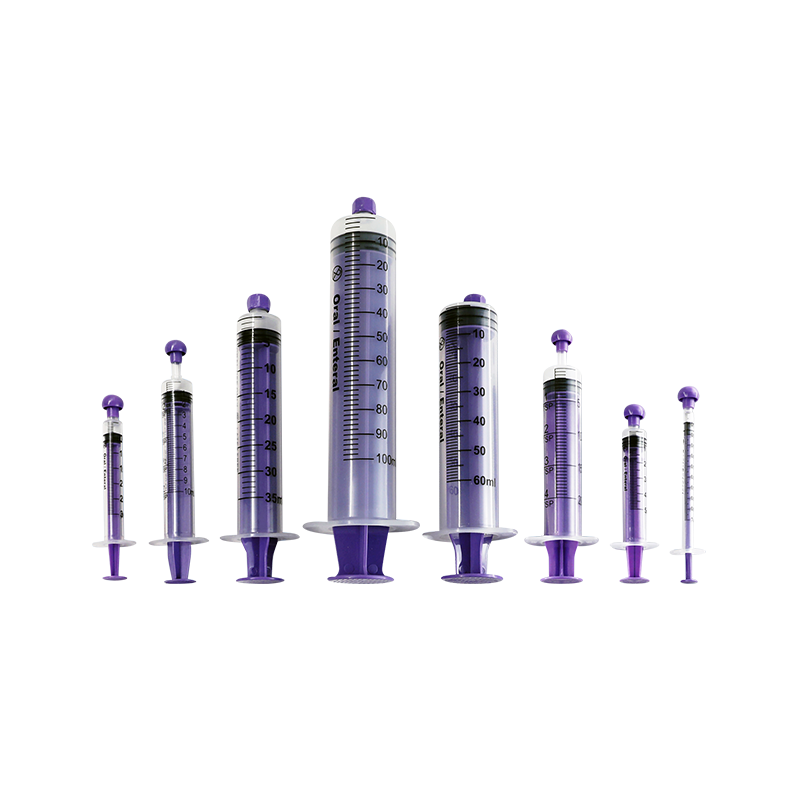
For insulin work in particular, a dedicated 0.3 mL barrel with unit markings is easier to read than a general-purpose 1 mL syringe, and it removes the temptation to round a 27-unit dose to the nearest ten units. For oral or enteral doses of a similar size, a dedicated oral syringe with a clearly printed milliliter scale and no needle is the safer choice.
Handling, Storage and Single-Use Discipline
Small barrels are thin-walled and easy to damage. Store them in the original packaging, away from heat and direct light, and check that the plunger moves freely before drawing. A stopper that sticks and then releases can overshoot a 0.3 mL target in a single motion.
All of these devices are single-use items. Reusing a barrel blunts the needle, blurs the scale printing over time, and defeats the point of a sterile path. Used syringes belong in a sharps container immediately after use, and the dose should be recorded in milliliters, units, or both — whichever convention your facility uses on its chart. Mixing conventions between shifts is a quiet but persistent source of error.
Sourcing Small-Volume Syringes with Consistent Markings
For clinics, distributors and OEM buyers, the practical question is not only which barrel to use but whether the markings stay consistent from lot to lot. A 0.3 mL scale that prints cleanly, holds its contrast after sterilization, and reads the same way on every unit is worth more than a marginal price difference. Print quality, graduation spacing and stopper fit are the details worth examining in a sample before committing to a supply agreement.
As a manufacturer based in Taixing, Jiangsu, ZY Medical has worked with disposable syringes, insulin syringes and related consumables since 2005, alongside selected dental, aesthetic, veterinary and protective lines. Our quality system documentation includes ISO 13485 certification for applicable medical-device activities and EU MDR quality management system certification covering insulin syringes, disposable syringes, auto-disable syringes, hypodermic needles, butterfly needles and infusion sets, with FDA establishment registration and 510(k) clearance for specified sterile syringe and hypodermic needle products — all understood within the applicable product scope. If you are reviewing small-volume options, our medical solution overview shows how the syringe, needle and infusion ranges are grouped by clinical use.
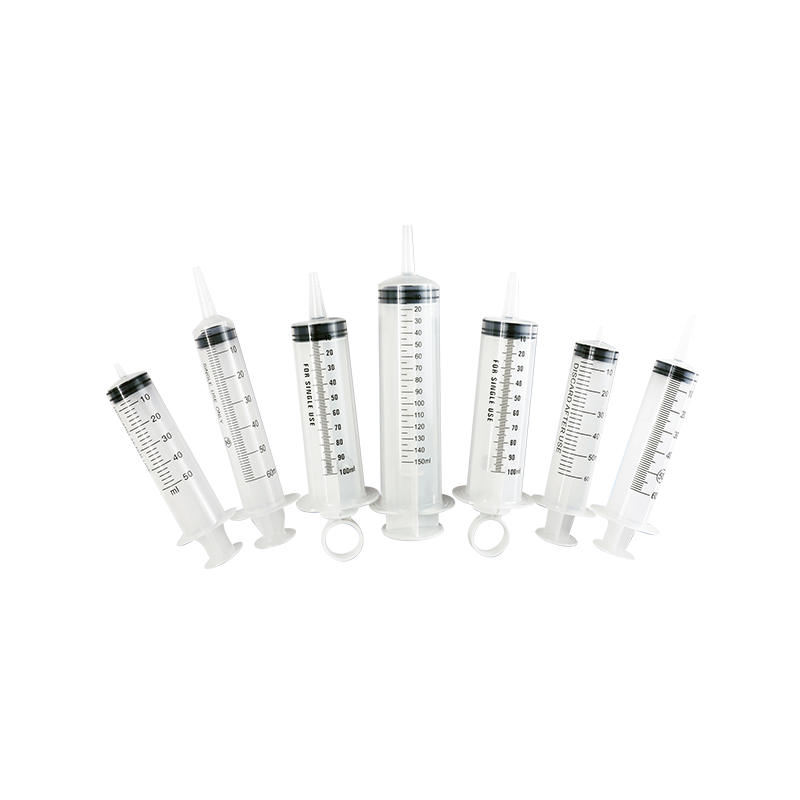
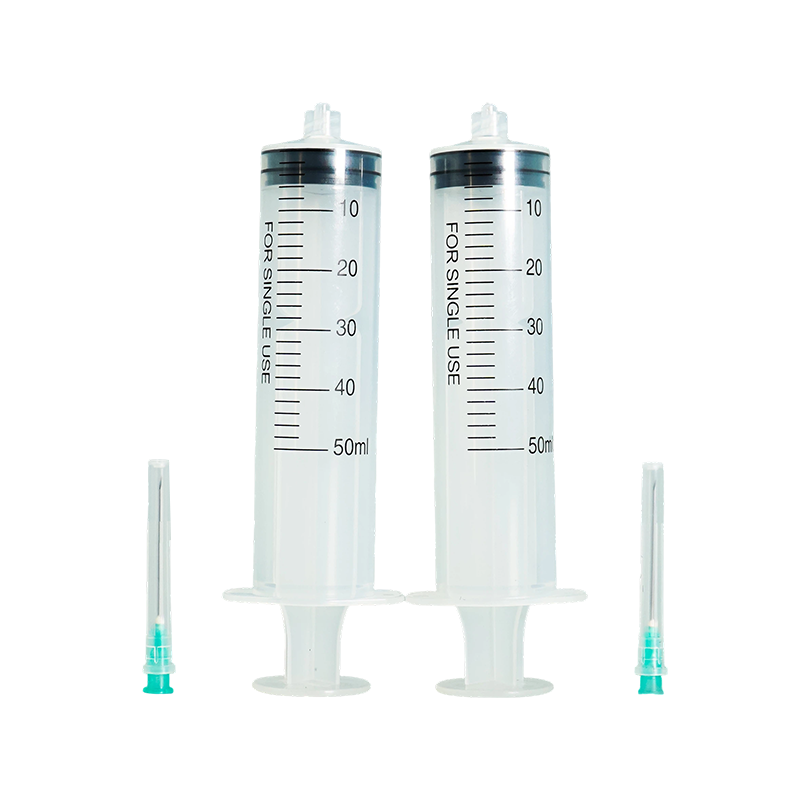 Sterile Single-Use Syringe with NeedleCompare this range for general clinical use: 1–50 mL capacities, Luer Lock or Luer Slip hubs, and 2- or 3-part configurations with clear graduations.View Product →
Buyers comparing suppliers often ask the same questions about lot consistency, documentation and packaging. Our guide on choosing a reliable medical consumables supplier covers those checks in more detail, and OEM/ODM support is available for selected non-medical aesthetic consumables where the project fits our production scope.
Reading a 0.3 mL syringe well comes down to a few durable habits: read the stopper edge at eye level, match the barrel size to the dose, account for the small volume left in the hub, and stay in one measurement language from draw to documentation. None of that requires special equipment — only a scale that is printed clearly and a routine that is followed every time.
Whether the dose is 30 units of insulin or 0.3 mL of anesthetic, the margin for error in a barrel this small is narrow. Treat the graduations as the instruction they are, and the measurements take care of themselves.
Related Product
Related NEWS