


 русский
  عربى
عربى  中文简体
中文简体


Industry Knowledge
Jiangsu Zhiyu Medical Instrument Co., Ltd. manufactures Oxygen Concentrators as part of our Healthcare Devices line, alongside nebulizers and suction machines. The range covers home-use units built for continuous indoor oxygen supply and portable units built for mobility, and it sits inside a broader nursing equipment catalogue that distributors, home-care channels and private-label programmes can configure as one system.
Oxygen concentrators separate and concentrate oxygen from ambient air, so users are not dependent on cylinder replacement or refill logistics. That is the practical reason the category holds stable demand in home care, chronic respiratory support, rehabilitation and daily health management, and why we treat it as a long-lifecycle nursing device rather than a one-off sale item.
Our Oxygen Concentrator Range
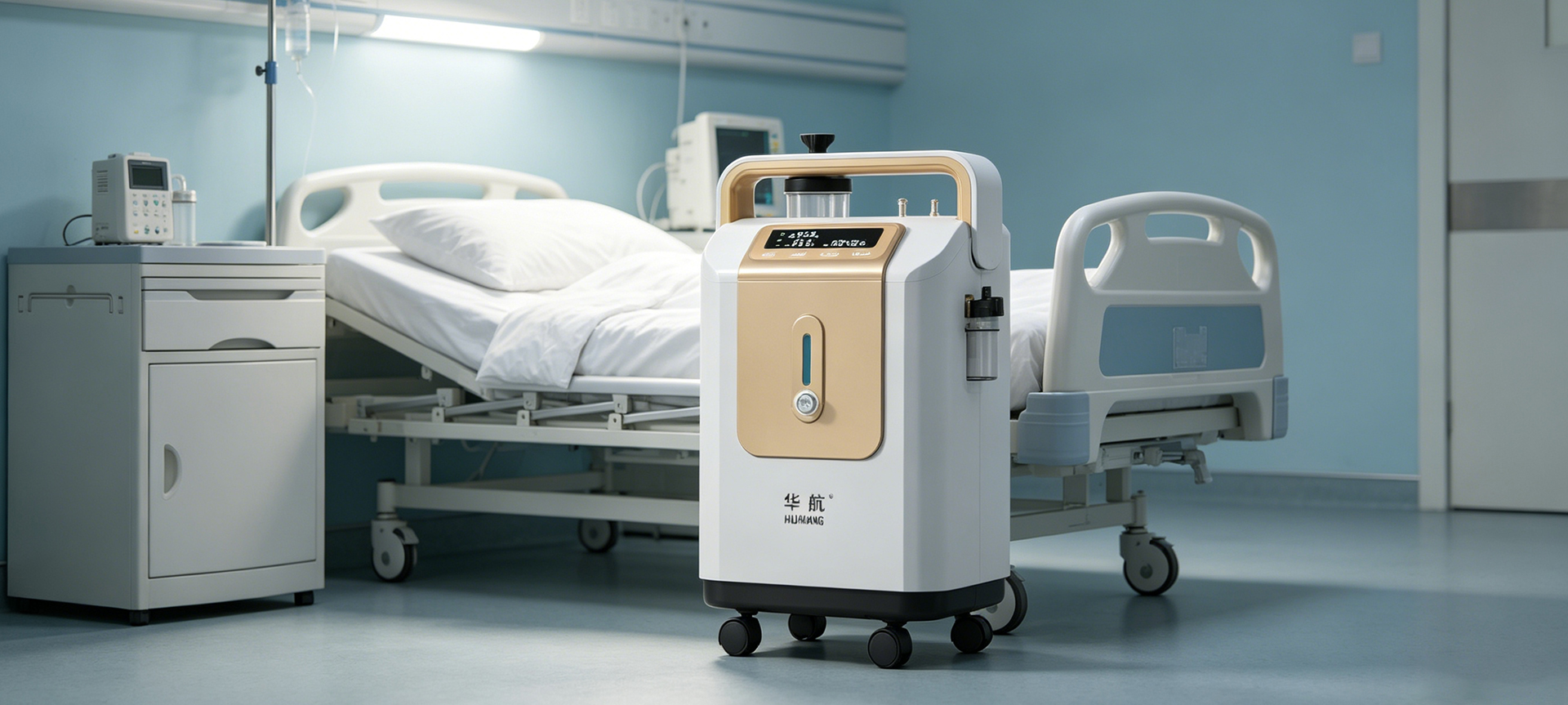
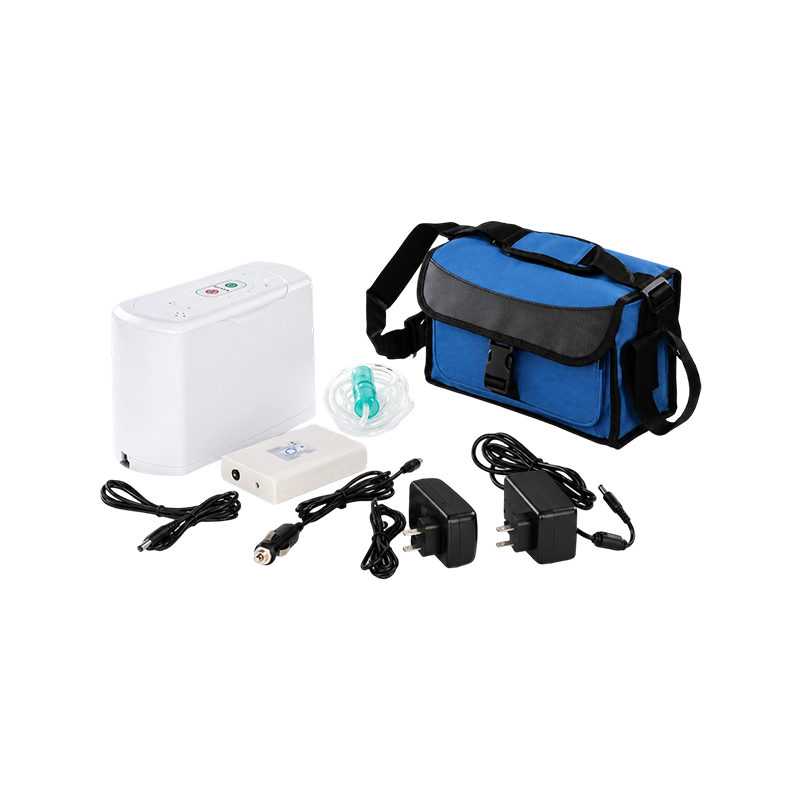
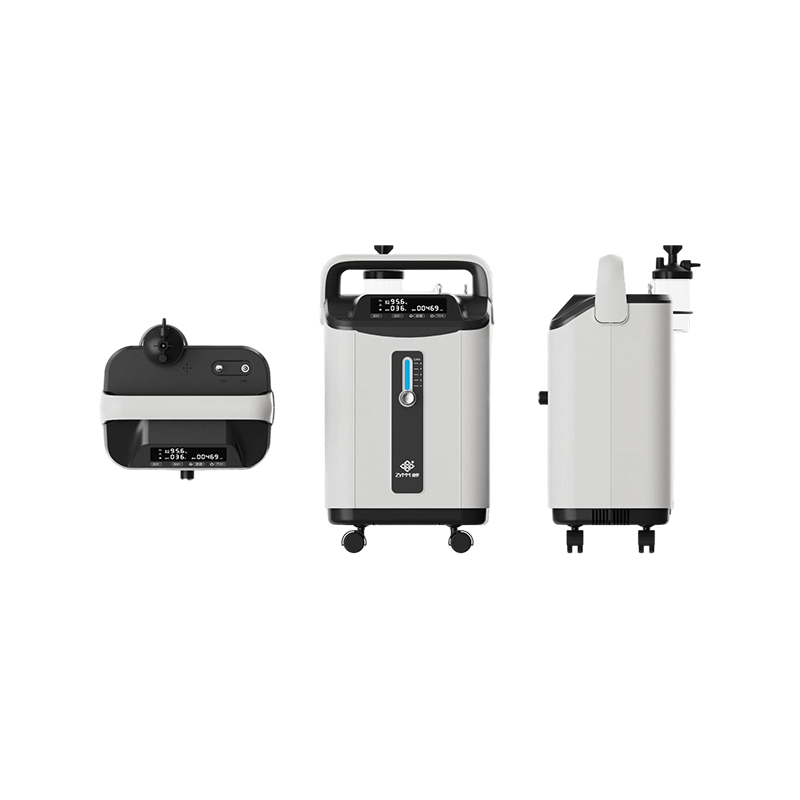
We supply two product forms. Home oxygen concentrators prioritise stable output, continuous flow and long indoor operating sessions at the bedside or in a care room. Portable membrane oxygen concentrators prioritise low weight, compact housing and battery or mains operation for users who move between home and outdoor settings.
| Product form | Primary use | Design emphasis | Typical channel |
|---|---|---|---|
| Home Oxygen Concentrator | Continuous indoor oxygen supply, bedside and long-term care | Stable flow, low noise, energy efficiency, mains power | Home-care retail, medical device distribution, care facilities |
| Portable Membrane Oxygen Concentrator | Mobile use, outings, travel between home and outdoor settings | Lightweight housing, miniaturised layout, battery or mains supply | Home-care retail, mobility-focused catalogues, private label |
| Nursing equipment combination | Respiratory and nursing care line built as one catalogue | Matched accessories, packaging and model tiering | Distributors building a complete home-care range |
Both forms are supplied through our Healthcare Devices programme, which also includes Nebulizers and Suction Machines. Configuring these three lines together gives a channel customer a coherent respiratory and nursing offer instead of isolated SKUs.
Application Fit and Model Stratification
Model stratification follows the end-user scenario rather than a single specification ladder. Home-use products are positioned for fixed-scene configuration where the device runs for long sessions in one room. Portable products are positioned for users who need supplemental oxygen while moving, and for markets where lighter equipment is the deciding purchase factor.
- Home care and bedside support: continuous flow output, quiet operation, mains supply.
- Chronic disease and rehabilitation management: predictable output across long daily sessions.
- Mobile and travel use: compact housing, reduced weight, battery or mains operation.
- Channel catalogue building: standard, home-use and portable tiers within one product system.
Common home-use configurations on the market cover roughly 1–5 LPM continuous flow. The working point you specify — flow rate, oxygen concentration target, noise level, power consumption and duty cycle — is what determines the internal layout, compressor selection and sieve bed sizing we propose.
Specifications That Drive the Configuration
Oxygen concentrator performance is set by a small number of interacting variables. We confirm these before quoting because they change the bill of materials, not just the label.
- Flow rate and concentration: continuous flow range and the oxygen purity band held across that range.
- Noise and vibration: acoustic treatment and mounting of the compressor and valve assembly.
- Power and consumption: mains input, battery capacity for portable units, and energy use over a full session.
- Thermal behaviour: continuous-duty operation in the ambient temperature range of the target market.
- Filtration and moisture: intake filtration and moisture management for humid climates.
- User interface: display, controls, alarms and language set for the destination market.
- Housing and carry: enclosure material, handle or carry solution, and protection during transport.
Controls, Alarms and Integration
We configure the control system around the required user interface and the alarms the destination market expects. Typical scope covers flow adjustment, operating status indication, low-purity or fault alerts, and power or battery status for portable units. Where a project calls for a specific display language, button layout or alarm logic, that is defined at the specification stage so the electronics and firmware match the finished unit.
For channel customers running a family of nursing devices, we align interface conventions across the oxygen concentrator, nebulizer and suction machine lines so the end user meets a consistent operating pattern across the range.
Manufacturing and Quality Control
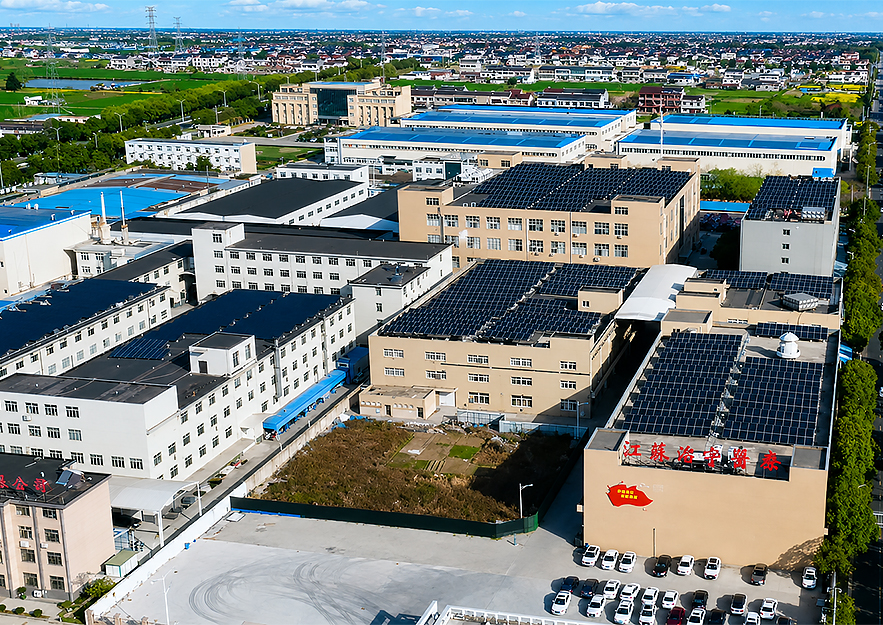
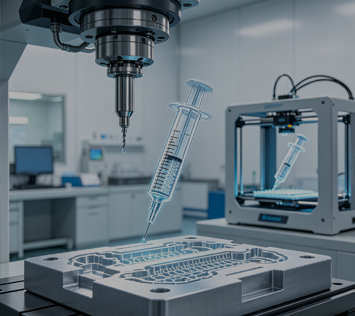
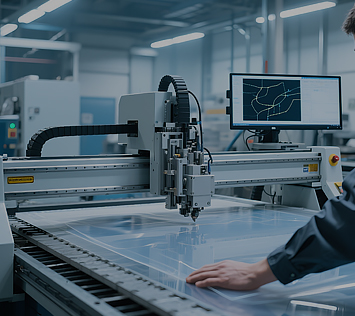
Zhiyu operates a collaborative production system covering injection moulding, assembly, testing and packaging on related product lines, supported by automated equipment, online testing and standardised quality control processes. That structure is what allows us to hold output consistent across batch manufacturing rather than treating each order as a prototype run.
- Incoming material inspection, in-process inspection and final product inspection.
- In-house laboratory and testing centre with archived inspection records and quality reports.
- Retained samples kept through shelf life plus an additional two years under internal procedures.
- Automatic vision inspection and online monitoring at key production stages for applicable products.
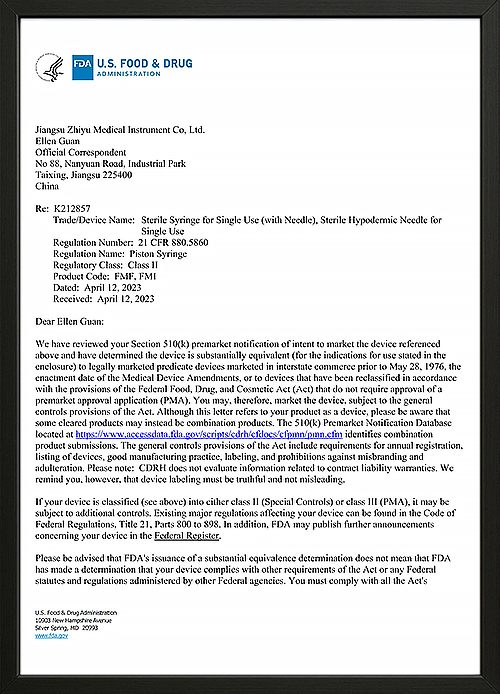
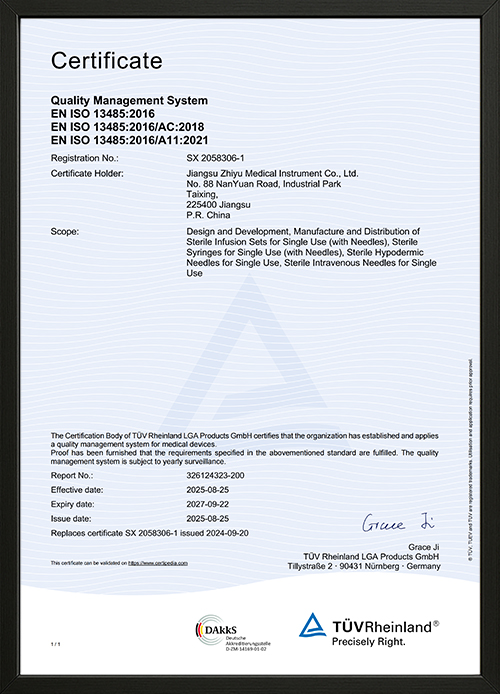
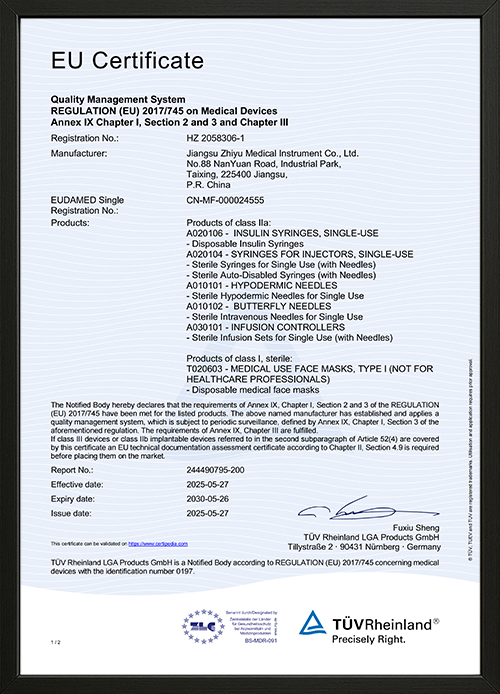
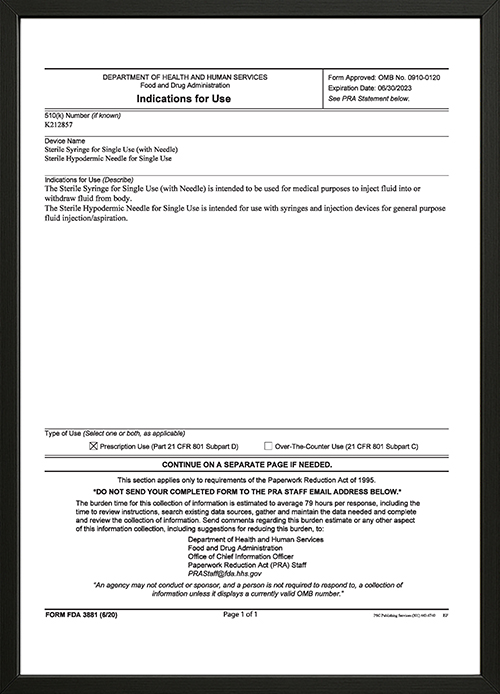
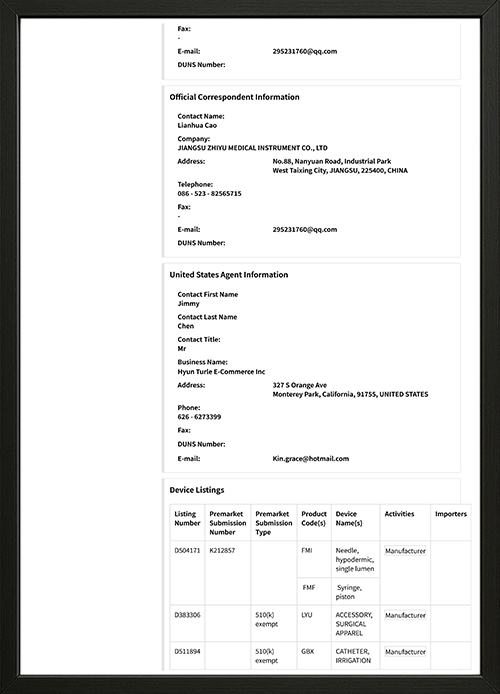
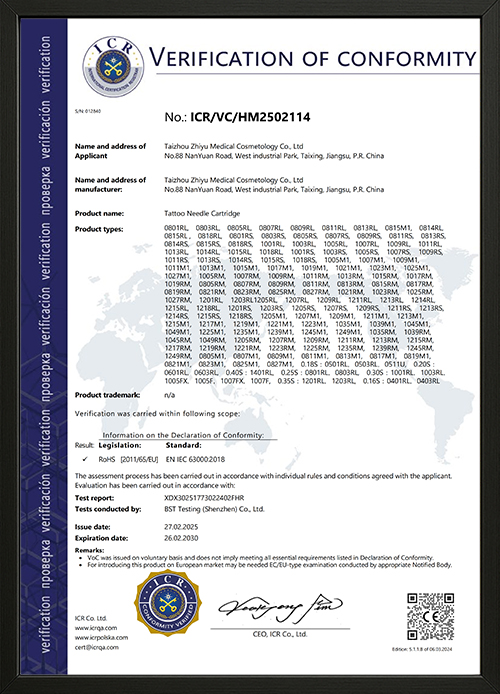
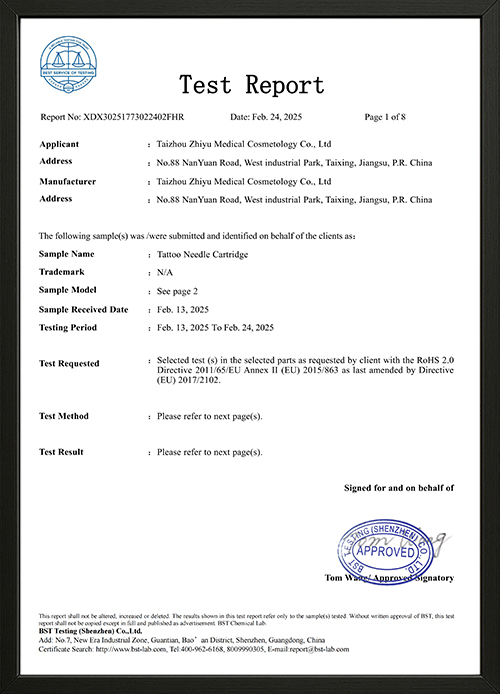
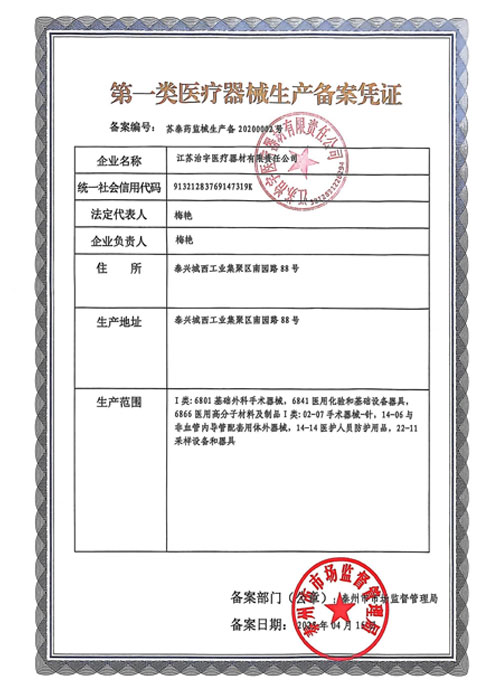
Our quality management documentation includes ISO 13485:2016 certification, EU MDR quality management system certification, FDA 510(k) clearance K212857, FDA establishment registration and device listing, and RoHS verification. Regulatory scope differs by product line, so the applicable documents for an oxygen concentrator project are confirmed against the specific model and target market.
OEM/ODM and Customisation Scope
As an Oxygen Concentrators manufacturer in China, we support OEM and ODM cooperation across the Healthcare Devices range. Customisation is handled as a project, with the same coordination path from concept through sampling and validation to volume production.
- Product matching and assortment planning across the nursing equipment line.
- Specification confirmation and extension for flow, interface and housing variants.
- Packaging adaptation, private-label support and multilingual label design.
- Structural optimisation and mould development for applicable projects.
- Project-based coordination from sampling to production.
Where a project also covers related clinical consumables, our Medical Consumables range can be coordinated in the same supply plan, which simplifies documentation and shipment consolidation for distributors carrying both equipment and consumables.
Installation, Operation and Serviceability
Oxygen concentrators are plug-in devices, so installation is limited to placing the unit with adequate ventilation clearance, connecting the humidifier bottle or cannula, and confirming the power supply matches the destination market. We supply the operating documentation and accessory set that go with the configured unit.
- Intake filter cleaning or replacement as the primary routine maintenance item.
- Sieve bed and compressor service intervals defined by duty cycle and ambient conditions.
- Accessible layout for service access to filters, valves and the compressor assembly.
- Spare parts and consumable accessories supplied alongside the equipment order.
For channel customers, we can define a spare parts and accessory package at the order stage so after-sales support does not depend on separate sourcing.
Information We Use to Configure Your Solution
A workable configuration and quotation depends on the working point and the commercial frame, not on a model number alone. The table below shows what we ask for and how each input changes the proposal.
| Project input | What it determines |
|---|---|
| Product form: home-use or portable | Platform selection, housing size, power architecture |
| Flow rate and oxygen concentration target | Compressor, sieve bed and valve sizing |
| Noise, power and duty-cycle requirements | Acoustic treatment, motor selection, thermal design |
| Target market and regulatory route | Applicable certification documents, label content, language set |
| Packaging and private-label requirements | Carton design, label artwork, accessory packing |
| Estimated order quantity and delivery schedule | Production planning and batch arrangement |
| Drawings, photos or reference samples | Feasibility assessment for structural or mould work |
Samples can be arranged for standard configurations, and for customised projects we confirm the application scenario, specification and packaging direction first so the sample reflects the intended production unit. On working days we normally reply to an inquiry within 12 hours.
Frequently Asked Questions
What is the difference between your home and portable oxygen concentrators?
Home oxygen concentrators are built for continuous indoor supply with stable flow, low noise and mains power, suited to bedside and long-term care use. Portable membrane oxygen concentrators are built around lightweight, miniaturised housings and can run from mains or rechargeable batteries for users who move between home and outdoor settings.
Which flow rates can be configured?
Common home-use configurations cover approximately 1–5 LPM continuous flow. The exact flow range, oxygen concentration band and duty cycle are confirmed against your target market and end-user scenario before we finalise the configuration.
Do you support OEM and private-label oxygen concentrator projects?
Yes. We support product matching, specification extension, packaging adaptation, private-label labelling, structural optimisation and mould development for applicable projects, with project-based coordination from sampling through validation to volume production.
Which quality and regulatory documents apply to oxygen concentrators?
Our quality management documentation includes ISO 13485:2016, EU MDR quality management system certification, FDA 510(k) clearance K212857, FDA establishment registration and device listing, and RoHS verification. Regulatory scope differs by product line, so the applicable documents are confirmed for the specific model and destination market.
What information do you need to prepare a quotation?
Product form, flow rate and concentration target, noise and power requirements, target market, packaging and private-label needs, estimated quantity, delivery schedule, and any drawings, photos or reference samples. For customised projects, early clarification of the application scenario shortens the development evaluation.
Can oxygen concentrators be ordered together with other nursing devices?
Yes. Oxygen concentrators, nebulizers and suction machines are all part of our Healthcare Devices range, so they can be configured as one nursing equipment catalogue with aligned interfaces, packaging and documentation.