


 русский
 عربى
 中文简体

Infusion Sets
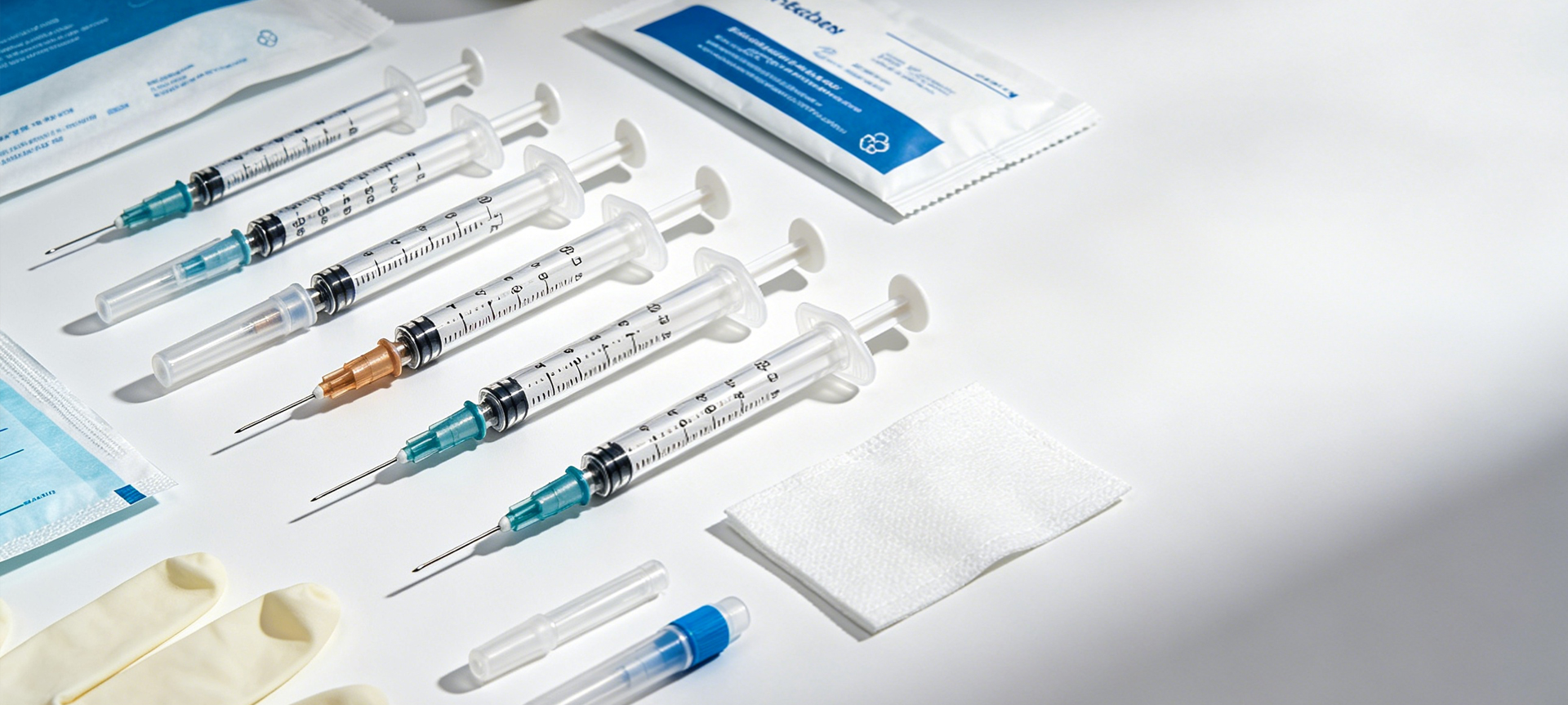
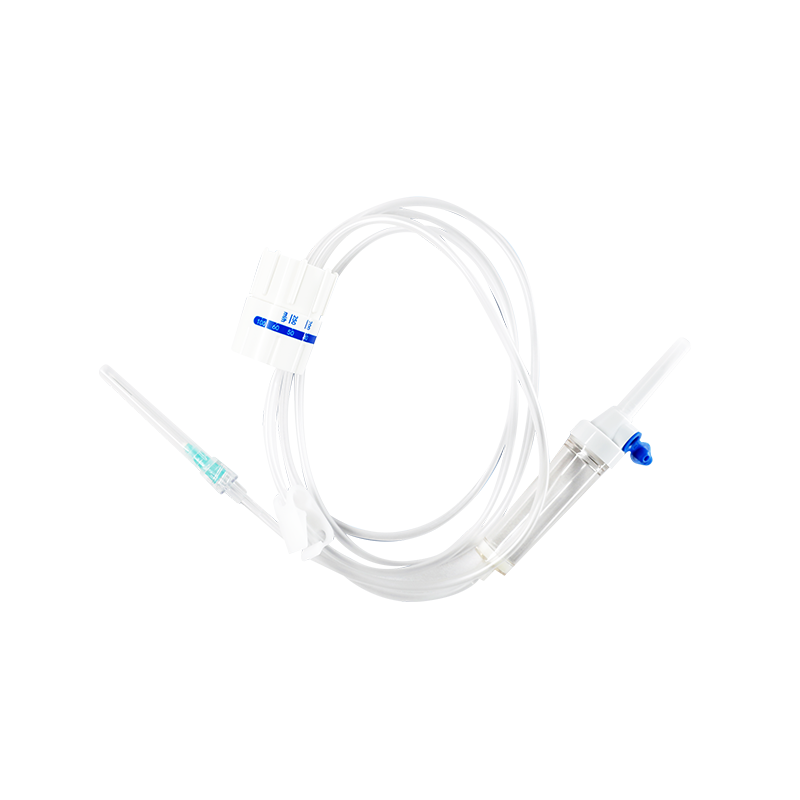
Infusion sets are among the most widely used basic medical consumables in clinical infusion and fluid administration, primarily used to stably and safely deliver medications, nutritional solutions, or other infusion fluids into the patient's body. These products are widely used in hospitals, clinics, nursing facilities, and various medical service scenarios, and are an indispensable component of intravenous therapy systems. As a frequently used product, infusion sets not only perform fluid delivery but also directly affect the convenience of clinical operation, the stability of the fluid circuit connection, and the adaptability to different application scenarios; therefore, they always occupy a very important position in the procurement system.
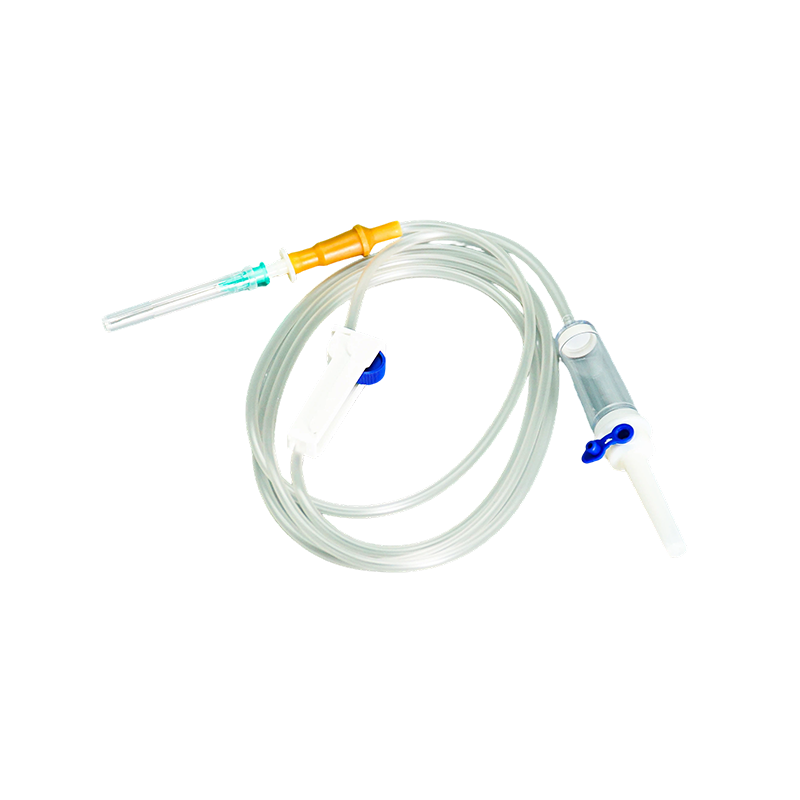
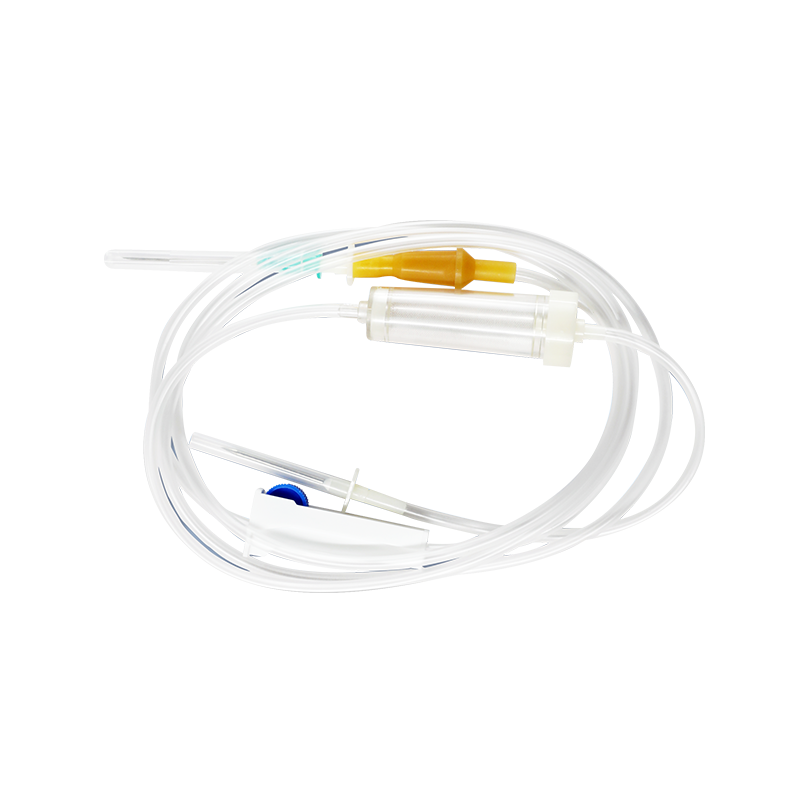
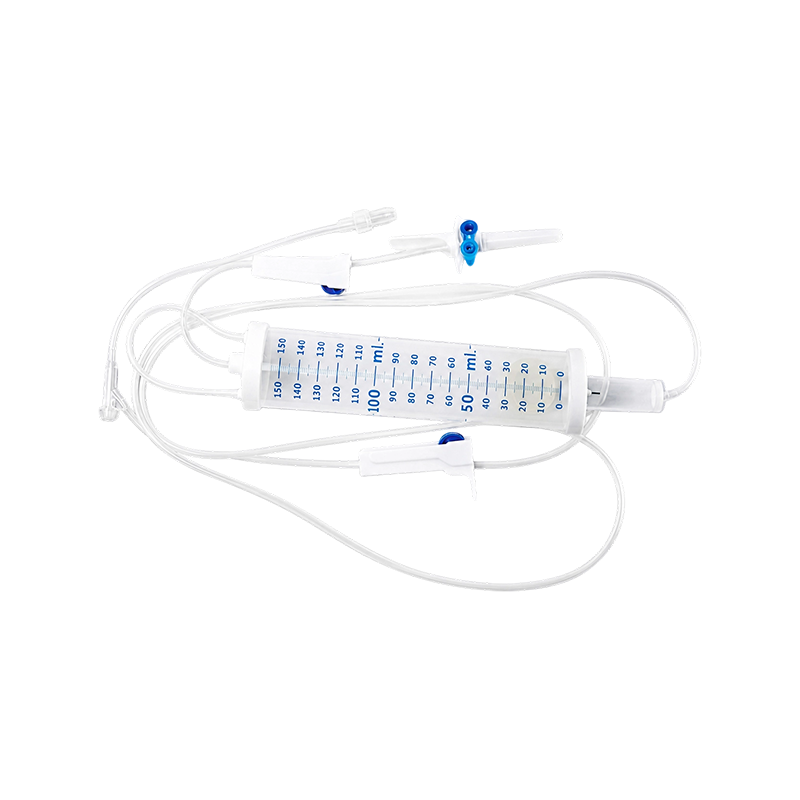
Infusion sets are not a single structure but a complete product series with various configurations. Standard infusion sets are suitable for routine basic infusion scenarios and are the most typical and common standard models; dual-needle infusion sets meet specific usage environments requiring a dual-needle structure; infusion sets with flow regulators help users control the infusion rate more conveniently and are suitable for applications with higher requirements for flow regulation; infusion sets with burettes are more suitable for occasions with higher requirements for monitoring and controlling the infusion volume, such as precision infusion management, nursing use, and applications for certain special populations. Maintaining continuity within the same product system across different models while allowing for clear hierarchical differentiation based on varying customer needs makes the product line more complete, professional, and scalable.
The core value of infusion sets lies in "flexible configuration, clear application, and stable procurement." Different markets and end-users often have different requirements for infusion sets. Some customers prioritize standardization and basic supply capabilities, while others place greater emphasis on technical details such as filters, injection ports, vents, tubing materials, flow regulation structures, drip chamber size, and drip rate configurations. Therefore, a mature infusion set classification goes beyond simply providing a single, standard product; it offers solutions with various structures and combinations to cater to different clinical usage habits and market standards. For institutional buyers and overseas distributors, the ability to provide serialized, configurable, and customizable infusion set products often directly determines a supplier's competitiveness.
From a practical application perspective, infusion set products cover a very wide range of scenarios. Primary healthcare institutions require standard infusion sets for routine infusion procedures; nursing and project-based clients may prefer models with flow regulators or titration mechanisms to meet more detailed fluid management needs; some clients also consider different tubing materials, whether they include filters, specific injection port types, and whether different packaging methods facilitate clinical distribution and channel sales. Because of its wide range of applications and diverse configurations, infusion sets remain a highly standardized yet highly configurable basic healthcare product.
In terms of product system development, infusion sets are well-suited for a series structure of "standard models + functional models + professional models." Standard models handle most basic procurement needs, functional models meet the more specific requirements of clients who prioritize user experience, and professional models cater to more specialized application scenarios and higher configuration requirements. This product structure helps clients complete multi-level procurement within the same supply chain and allows distribution channels to flexibly build their sales mix based on different countries, hospital types, and end-user needs. For long-term partners, this series capability not only means a wider product range but also a clearer supply logic and greater potential for future cooperation.
The infusion set category also possesses significant catalog and extension value. It not only serves as a core, routine category within medical consumables but also extends to more specific structural types, different usage methods, and varying market demands. When customers access this category, they should not only see a few model names but also a complete logical framework for infusion products: how to choose routine infusions, how to differentiate functional infusion sets, the differences between professional configurations, and suitable structural solutions for different scenarios. This content structure helps customers quickly understand the product system and more easily establish a professional and stable product knowledge.
For customers who wish to establish a complete clinical consumables catalog, enhance their coverage of basic infusion products, and meet the procurement needs of different markets and projects, infusion sets are a core product category that must be prioritized. They possess both consistently stable basic demand and strong product extensibility and serialization potential, enabling them to form a long-term, stable, and frequently purchased segment within the basic medical consumables system.
About Us
Jiangsu Zhiyu Medical Instrument
As a disposable medical consumables manufacturer and factory in China, Zhiyu advances automation and large-scale manufacturing with a collaborative production system covering injection molding, assembly, testing, and packaging. This enables efficient support for large orders, continuous supply, and long-term cooperation. Zhiyu also prioritizes consistency control and quality management through automated equipment, online testing, and standardized processes, ensuring stable batch output and reliable quality and delivery.

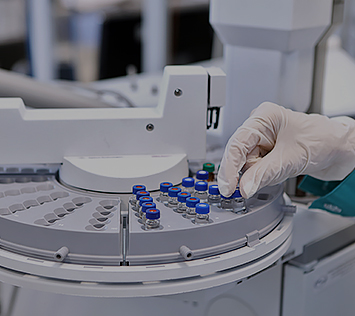
Built for Stable Manufacturing, Clean Production, and Reliable Quality Control
Zhiyu has established a systematic manufacturing system centered around clean production, process control, and quality consistency, which can provide stable support for large-scale orders, long-term cooperation, and project-based supply for applicable product lines. Support OEM/ODM Custom Infusion Sets.
What Can Be Support
-
 Product matching and assortment planning
-
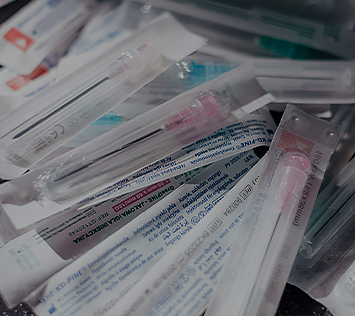 Packaging adaptation and packaging development
-
 Specification confirmation and extension
-
 Private label support
-
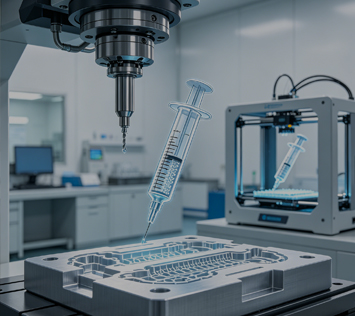 Mold development for applicable projects
-
 Structural optimization
-
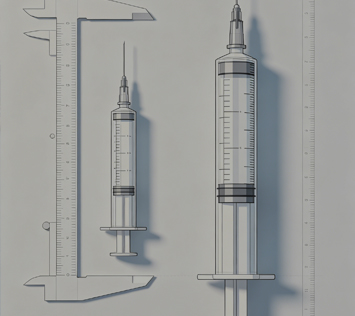 Customized product development
-
 Project-based coordination from sampling to production
Certificate
-
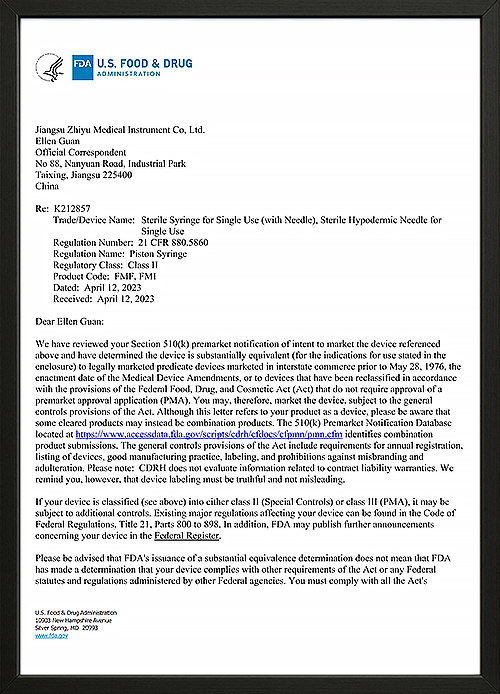
FDA 510(k) Clearance Letter - K212857
-
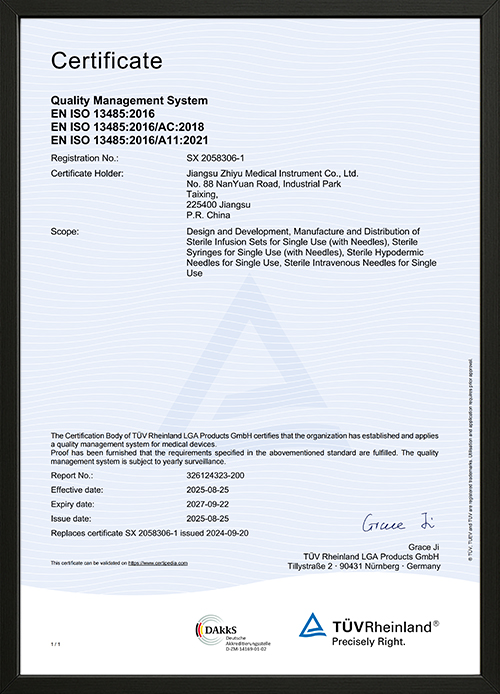
ISO 13485:2016 Certificate
-
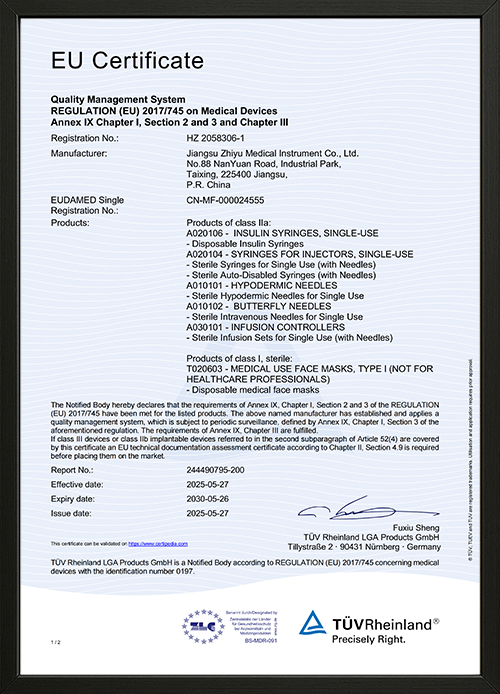
EU MDR Certificate - Regulation (EU) 2017/745
-
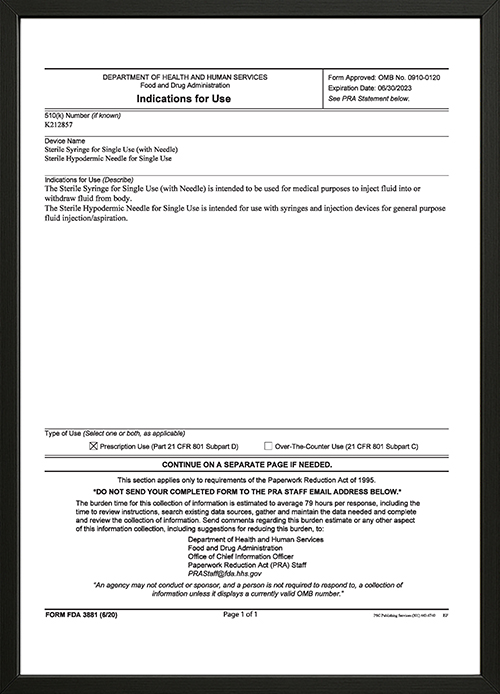
FDA 510(k) Indications for Use - K212857
-
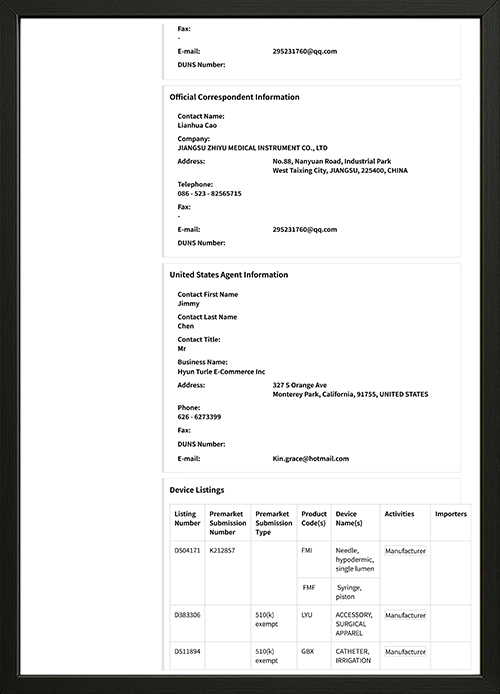
FDA Facility Registration 2026
-
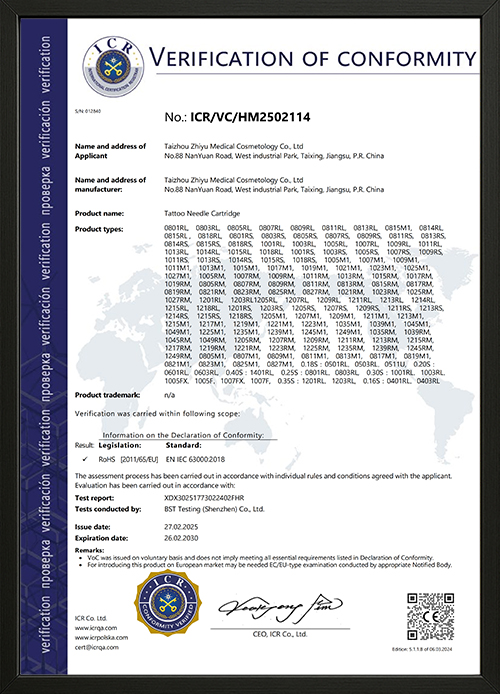
RoHS Verification
-
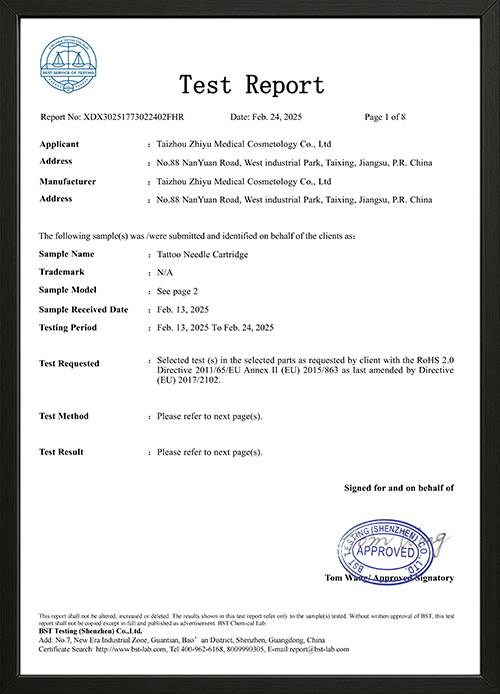
RoHS 2.0 Test Report
-
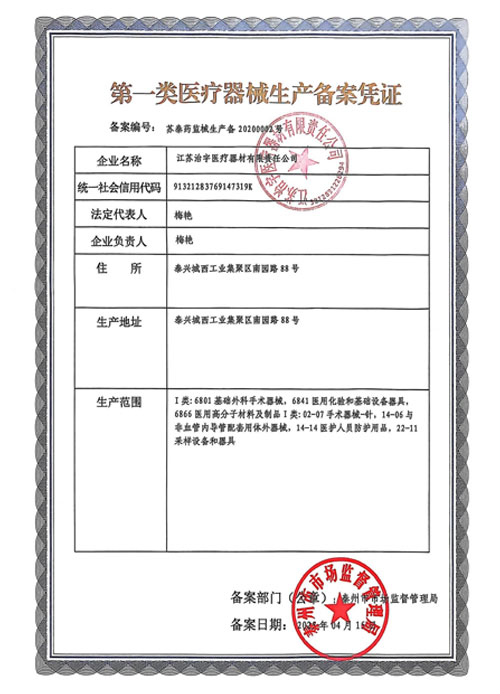
First Class Medical Device Production Filing Certificate
Message Feedback
News
-
Absorbable suture material is one of those quiet workhorses of surgery. It holds tissue together long enough for healing to begin, then disappears wi...
READ MORE -
Choosing between a No. 11 and a No. 15 scalpel blade is less about which blade is “better” and more about matching blade geometry to the cut you need...
READ MORE -
A B12 injection carries a very small volume of solution, often half a millilitre or less, yet the needle that delivers it decides how comfortable the...
READ MORE -
Vitamin B12 replacement looks simple on paper: a small-volume injection, a schedule, and a follow-up plan. In practice, the phrase “b12 dosing im” ra...
READ MORE
Industry Knowledge
Jiangsu Zhiyu Medical Instrument Co., Ltd. is an Infusion Sets manufacturer in China, producing single-use gravity infusion sets for hospitals, clinics, nursing facilities and distribution programmes. Our range covers standard, double-needle, flow regulator and burette configurations, supplied as sterile single-use products and supported by OEM/ODM cooperation, packaging adaptation and project-based coordination from sampling to volume production.
Our Infusion Set Range and Where Each Type Fits
Infusion sets are the fluid path between the container and the patient. The configuration determines how the set is primed, how flow is observed, how medication is added and how much fluid is delivered before the container empties. We build the range around those clinical routines rather than around a single catalogue number.
| Product Type | Typical Application | Configuration Focus |
|---|---|---|
| Standard Infusion Set | Routine IV therapy in wards, outpatient departments and primary care | Drip chamber size, spike type, roller clamp, injection port, tubing length |
| Double-Needle Infusion Set | Protocols requiring a dual-needle structure and paired access | Needle gauge and length, needle hub, protective sheath, tubing set |
| Flow Regulator Infusion Set | Infusions needing convenient rate control without an electronic pump | Regulator body, graduated flow positions, tubing compliance, clamp design |
| Burette Infusion Set | Measured-volume administration, paediatric and precision fluid management | Burette chamber capacity, graduations, float valve, air vent, filter option |
The four types share the same manufacturing logic: medical-grade PVC tubing, a drip chamber, a spike, a clamp and a patient-end connector. What changes is the flow-control element and the level of volume control the clinical setting requires.
Materials and Critical Specifications
Specification decisions are made at the component level, because each part affects priming, flow stability and connection security. The table below lists the variables we confirm before a quotation is issued.
| Component | Specification Variables | Why It Matters |
|---|---|---|
| Tubing | Medical-grade PVC, length, inner diameter, wall thickness, transparency | Flow rate, kink resistance, visual inspection of the fluid path |
| Drip chamber | Chamber volume, drip rate, filter mesh, air vent | Drop counting accuracy and particulate retention |
| Spike | Spike type, air vent, protective cap | Container compatibility and contamination control during setup |
| Flow control | Roller clamp, flow regulator, burette float valve | Rate adjustment range and stability during infusion |
| Access points | Injection port type, needle-free connector, Y-site | Medication addition without interrupting the infusion |
| Patient end | Luer lock or Luer slip, needle gauge, needle length, protective sheath | Connection security and venipuncture performance |
Configuration Options for Different Markets
Different markets and clinical habits place different weight on standardisation, filter presence, injection port design and packaging. We treat configuration as a set of independent choices so that a distributor can build a coherent catalogue rather than a patchwork of models.
- Filtration: fluid filter or air filter options for particulate control and venting.
- Injection ports: latex or latex-free ports, needle-free connectors, single or multiple Y-sites.
- Flow regulation: roller clamp only, graduated flow regulator, or burette with float valve.
- Drip chamber: chamber volume and drip rate matched to the intended infusion protocol.
- Patient end: Luer lock or Luer slip, with or without needle, needle gauge and length.
- Packaging: sterile peel pouch, blister, PE bag, colour box, neutral or private-label cartons.
We also supply related single-use products that appear in the same clinical catalogue, including Disposable Syringes, Medical Needles & IV Products and Medical Consumables, so that infusion, injection and access items can be planned together.
Manufacturing, Sterility and Quality Control
Zhiyu operates a collaborative production system covering injection moulding, assembly, testing and packaging on related product lines, supported by automated equipment, in-line inspection and standardised quality control procedures. Infusion sets are produced as sterile single-use devices, with EO sterilisation and controlled cleanroom production for applicable lines.
Quality control follows an incoming, in-process and final inspection sequence. Automatic vision inspection and online monitoring are used at key stages for applicable products, and retained samples, inspection records and test documentation are archived according to internal procedures. For applicable medical-device activities we hold ISO 13485:2016 certification and EU MDR quality management system certification covering product lines that include infusion sets, alongside FDA establishment registration and device listing for the U.S. market. Regulatory scope differs by product line and target market, so the applicable documents are confirmed against the specific item and destination.
OEM/ODM and Project Support
Beyond standard supply, we support OEM/ODM cooperation around different product lines. The work typically starts with product matching and assortment planning, then moves into specification confirmation and extension, packaging adaptation and private-label support. For projects with clearly defined requirements, we can evaluate mould development, structural optimisation and customised product development for injection-moulded parts and needle-related components.
Project coordination runs from sampling and validation through to mass production, which keeps specification changes, packaging artwork and approval steps in one sequence. This suits distributors building a private-label infusion range, brand owners entering a new market, and institutional buyers consolidating infusion and injection items under one supply programme.
Installation, Handling and Clinical Use Considerations
Infusion sets are gravity-fed devices, so the practical requirements are a stable hanging point, correct priming and a clear view of the drip chamber. The set must be compatible with the container closure, the access device and the intended infusion fluid.
- Confirm spike compatibility with the container port before volume ordering.
- Prime the tubing fully and check the drip chamber level before connection.
- Match the flow-control element to the required rate range and monitoring level.
- Use the injection port according to its design, and observe aseptic technique at all access points.
- Store in the original sterile packaging, protected from direct sunlight and moisture, within the stated shelf life.
Information We Use to Configure Your Solution
To prepare an accurate configuration and quotation, we work from the clinical application, the market and the commercial scope. The following inputs let us match the right model, packaging and documentation.
| Input | What We Need |
|---|---|
| Product type | Standard, double-needle, flow regulator or burette |
| Technical specification | Tubing length, drip chamber, filter, injection port, flow control, needle gauge and length, with or without needle |
| Target market | Destination country and required regulatory documents |
| Packaging | Sterile pouch, blister or PE bag; neutral, colour box or private label; label language |
| Commercial scope | Estimated quantity, OEM/private-label requirement, delivery schedule |
| Reference material | Drawings, photos or physical samples for matching |
For customised projects, early clarification of the application scenario and key technical requirements shortens the evaluation and sampling stage. Samples can be arranged for standard products based on existing specifications; for customised items, confirming the specification, packaging and target market first produces more suitable trial samples.
Frequently Asked Questions
Are you a manufacturer or a trading company?
We are a manufacturing-oriented company based in Taixing, Jiangsu, China, focused on the development, production and supply of disposable medical consumables. Our production system covers injection moulding, assembly, testing and packaging on related product lines, and we support project-based cooperation and customised development across multiple product lines.
Which infusion set types can you supply?
We supply standard, double-needle, flow regulator and burette infusion sets, with configuration options covering filters, injection ports, drip chamber size, tubing material and length, flow-control element, patient-end connector and needle specification.
Do you support OEM/ODM and private-label packaging?
Yes. We support packaging adaptation, specification extension, private-label support, mould development for applicable projects, structural optimisation and customised product development. Project coordination covers sampling, validation and volume production.
What quality and regulatory documents apply to infusion sets?
For applicable medical-device activities we hold ISO 13485:2016 certification and EU MDR quality management system certification covering product lines that include infusion sets, plus FDA establishment registration and device listing for the U.S. market. Regulatory scope differs by product line and destination, so the applicable documents are confirmed for the specific item and target market.
Can I request samples before placing an order?
Yes. For standard products, samples can usually be arranged from existing specifications. For customised projects, confirming the application scenario, specification requirements, packaging method and target market first allows us to prepare more suitable samples or trial solutions. Sample freight is normally borne by the customer.
What determines lead time?
Lead time depends on the product type, order quantity, specification complexity, packaging requirements and whether customisation is involved, so it is handled case by case. Standard products can usually be scheduled after order confirmation and related arrangements are settled; projects involving mould development, structural changes or proprietary packaging require additional time.
OEM & ODM Support Beyond Standard Supply
As OEM/ODM Infusion Sets Factory in China, Zhiyu can provide OEM/ODM cooperation support around different product lines, covering packaging adaptation, specification expansion, mold
development, structural optimization, and customized product development. Relying on our project-based supporting capabilities, we help
customers smoothly advance product concepts to sampling, validation, and large-scale production.
Focusing on the manufacturing of disposable consumables, Zhiyu provides stable supply, flexible OEM/ODM cooperation, and project-based support
around global customer needs.
-
No.88, Nanyan Road, Industrial Park, West Taixing City, Jiangsu Province

-
+86-523-82565721

+86-13815970397 -
zy01@zymedical.com

Copyright ©
Jiangsu Zhiyu Medical Instrument Co., Ltd. Approval No: 苏泰药监械生产备20200002号 This website is aimed at regions outside of China
