


 русский
 عربى
 中文简体


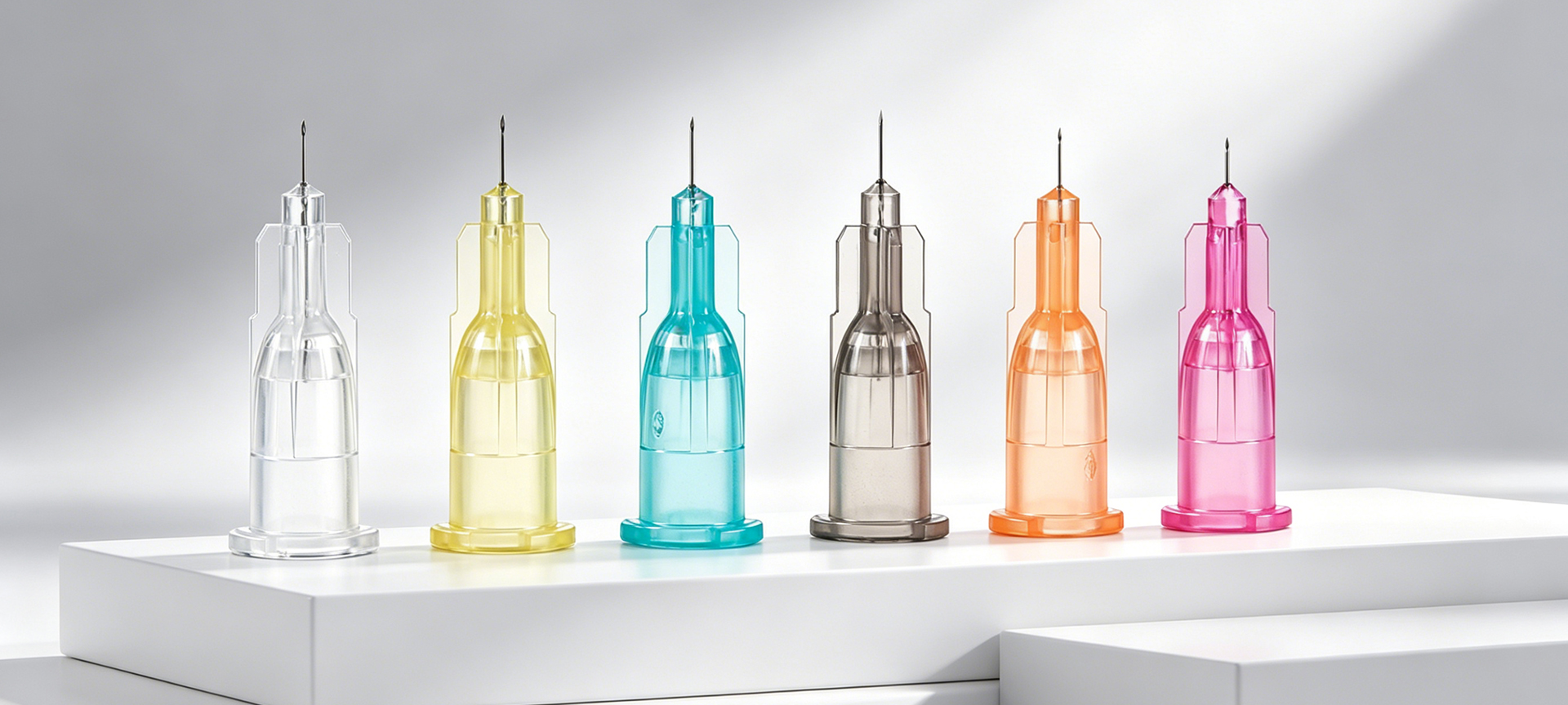
Microneedling & Tattoo Products
Microneedling & Tattoo Products makeup products cover multiple applications including skin management, home beauty, scalp care, tattoo creation, semi-permanent makeup, and piercing-related procedures. This category is a comprehensive product segment that combines beauty care and professional operation attributes. It typically consists of microneedling rollers, microneedling products, integrated tattoo needles, PMU (permanent makeup) needles, and piercing needles, suitable for both daily skin management and beauty care, as well as the professional procurement needs of tattoo studios, PMU institutions, and related distribution channels. The core principle of microneedling is to create microchannels on the skin surface using tiny needles to promote skin renewal and absorption efficiency; tattooing and PMU... Products emphasize pigment delivery, needle selection, line rendering, and operational stability.
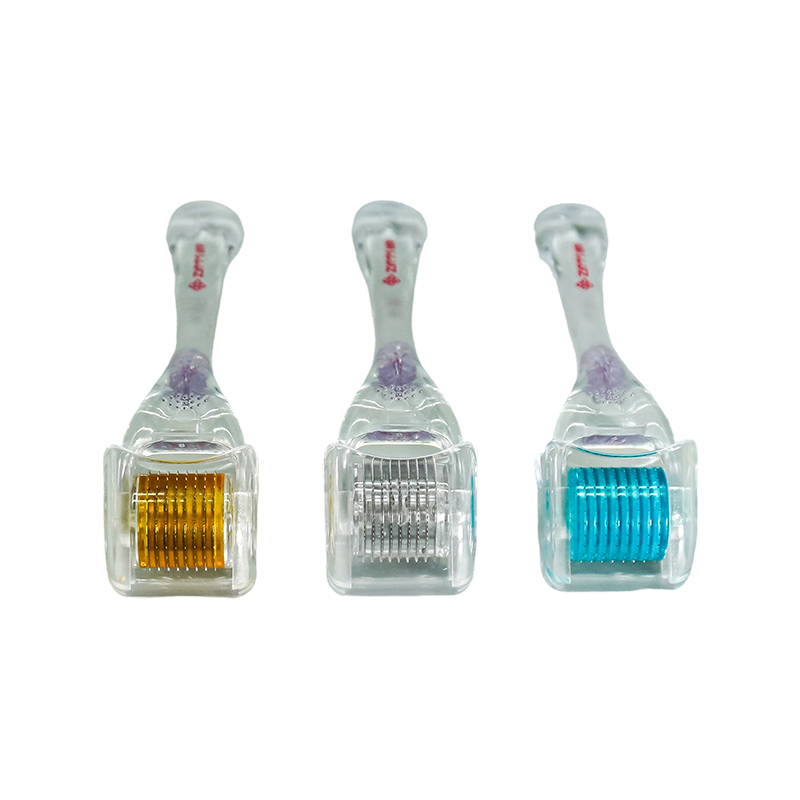
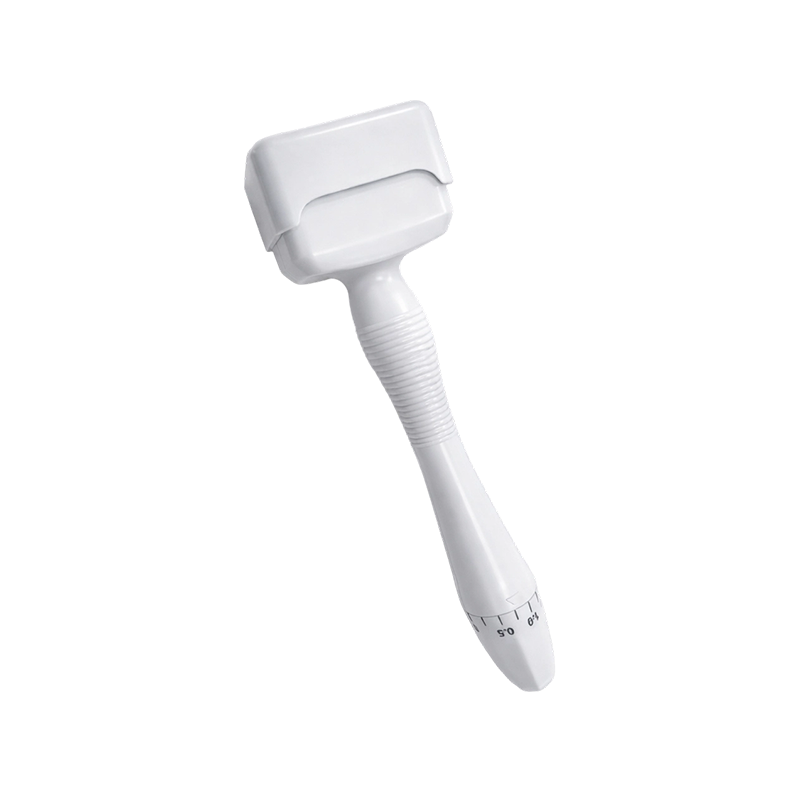
Microneedling products focus on "precise care, a wide range of products, and clearly defined usage scenarios." Roller-type microneedling products are suitable for larger areas of facial, scalp, and body care. Common selling points include smooth rolling, even needle distribution, intuitive use, and suitability for home care and beauty channel promotion. Point-pricking or stamp-type microneedling products are better suited for precise localized treatments, allowing for more focused treatment of key areas. According to publicly available medical and consumer care data, microneedling is commonly used to improve skin texture, fine lines, acne scars, and in some scalp care scenarios. Meanwhile, home-use roller products typically emphasize shorter needle lengths, ease of cleaning and maintenance, and convenience for combination with serums and other treatment regimens. Your uploaded market analysis also shows that roller microneedling products in the online market are better suited to be organized around themes such as face, scalp, hair growth, beard care, and bundles, with a needle diameter of 0.25–0.5 mm. Home-use designs are easier to understand and create a clear consumer perception of.
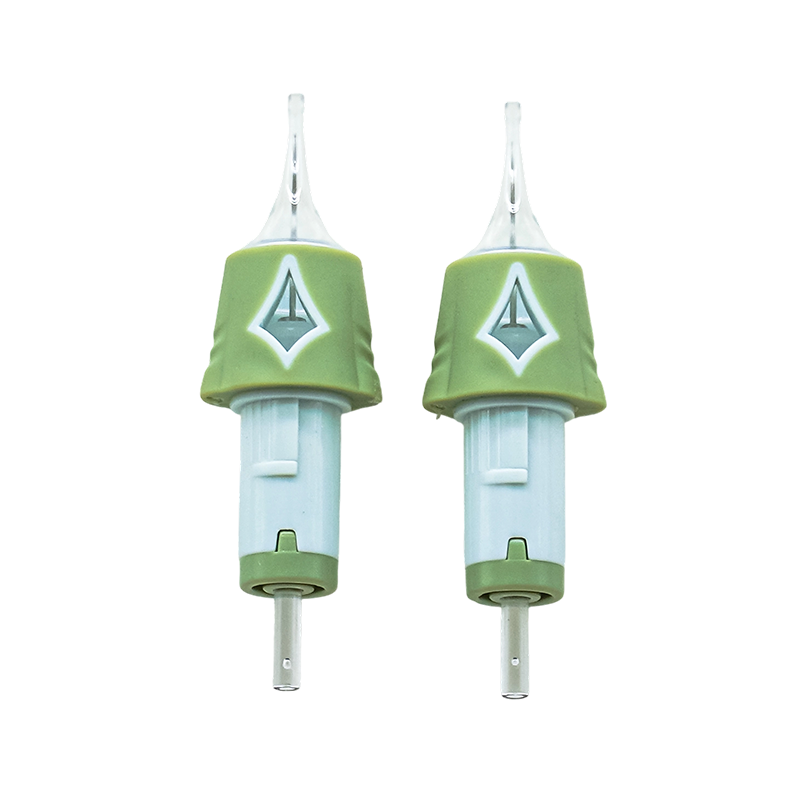
The focus of tattoo and permanent makeup products is on "a complete needle system, clear specifications, and stable operation." In the modern mainstream market, cartridge needles have become the mainstream form of tattoo and PMU products. Common needle types include RL, RS, RM, and M1, with different needle types corresponding to different operational needs such as outlining, shading, filling, shadow transitions, and detail shaping. Public market data shows that Round Liners are mainly used for outlines and details, while Soft Edge Magnum/Round Magnum are more suitable for soft shadows and color transitions. High-quality cartridge products usually emphasize needle stability, smooth ink flow, sharp needle tips, and a protective film structure to reduce liquid backflow into the machine and improve operational accuracy. Your internal training materials also clearly show that integrated tattoo needles have formed a relatively complete RL, RS, RM, and M1 model system, with common needle diameters of 0.25/0.30/0.35 mm, and are equipped with relatively complete packaging and box specifications.
The value of this category of products is also reflected in the professionalism of materials and structure. High-quality PMUs Tattoo cartridges typically employ medical-grade plastic housings, sharp and stable needles, smooth needle tip movement, and protective membrane systems to enhance hygiene, stability, and consistency. Publicly available product information indicates that high-quality cartridges emphasize abrasion-resistant housings, reduced plastic debris, more stable needles, and membrane systems to prevent liquid from entering the machine. For PMU products, needle type, taper, diameter, and texture directly affect pigment implantation performance and the final result. The PC, POM, TPE, and 304/316L material systems in your existing internal materials align with the current market trend emphasizing medical-grade plastic housings, sharp surgical steel needles, and protective membranes.
From the perspective of overall product line completeness, the Microneedling & Tattoo Products category possesses both retail appeal and professional purchasing value. Microneedling rollers and dot-matrix products cater to the home beauty, e-commerce retail, and skin management markets; while integrated tattoo needles and PMU cartridges target tattoo artists and PMU professionals. Studios, brand clients, and professional consumables distribution channels; products such as piercing needles can further supplement body art-related scenarios. Your uploaded Amazon tattoo needle analysis further shows that cartridge needles currently dominate the online market in terms of both SKU share and revenue share, indicating that this type of product not only has strong professional attributes but also possesses continuous and stable commercial demand. Overall, this category can simultaneously cater to beauty and skincare clients and professional tattoo and permanent makeup clients, representing a core product segment with significant potential for serialization, strong visual appeal, and high scalability.
About Us
Jiangsu Zhiyu Medical Instrument
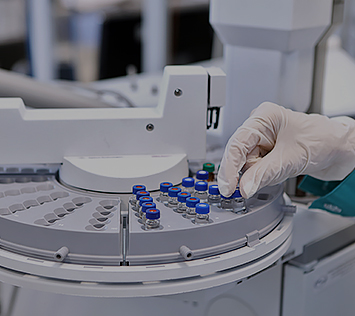
As a disposable medical consumables manufacturer and factory in China, Zhiyu advances automation and large-scale manufacturing with a collaborative production system covering injection molding, assembly, testing, and packaging. This enables efficient support for large orders, continuous supply, and long-term cooperation. Zhiyu also prioritizes consistency control and quality management through automated equipment, online testing, and standardized processes, ensuring stable batch output and reliable quality and delivery.


Built for Stable Manufacturing, Clean Production, and Reliable Quality Control
Zhiyu has established a systematic manufacturing system centered around clean production, process control, and quality consistency, which can provide stable support for large-scale orders, long-term cooperation, and project-based supply for applicable product lines. Support Custom Microneedling Products.
What Can Be Support
-
 Product matching and assortment planning
-
 Packaging adaptation and packaging development
-
 Specification confirmation and extension
-
 Private label support
-
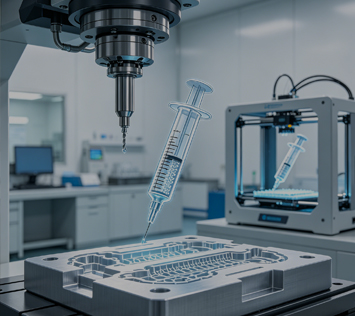 Mold development for applicable projects
-
 Structural optimization
-
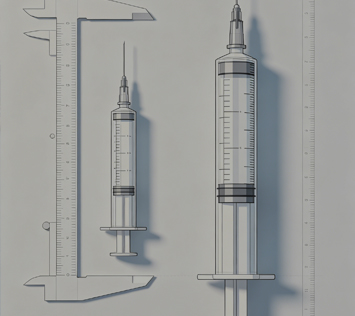 Customized product development
-
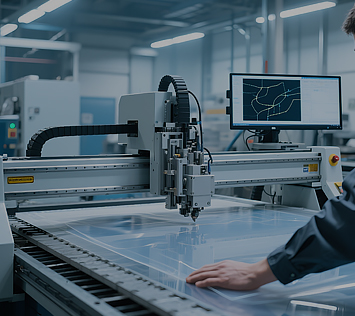 Project-based coordination from sampling to production
Certificate
-
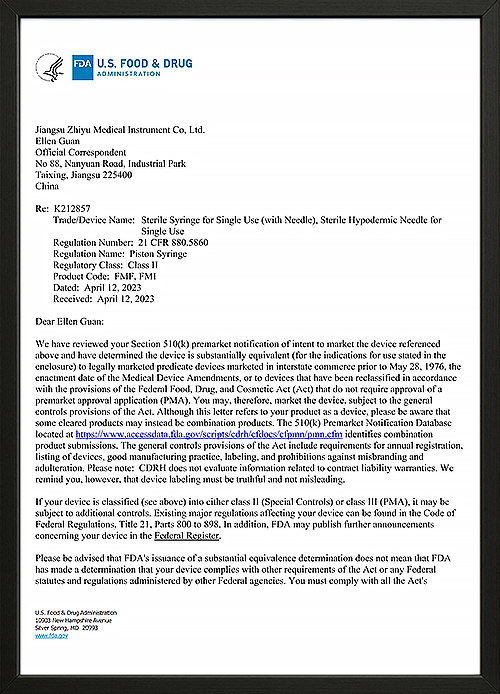
FDA 510(k) Clearance Letter - K212857
-
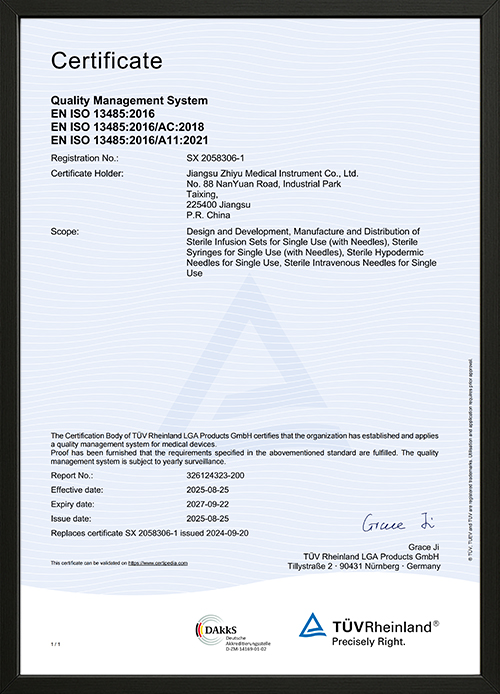
ISO 13485:2016 Certificate
-
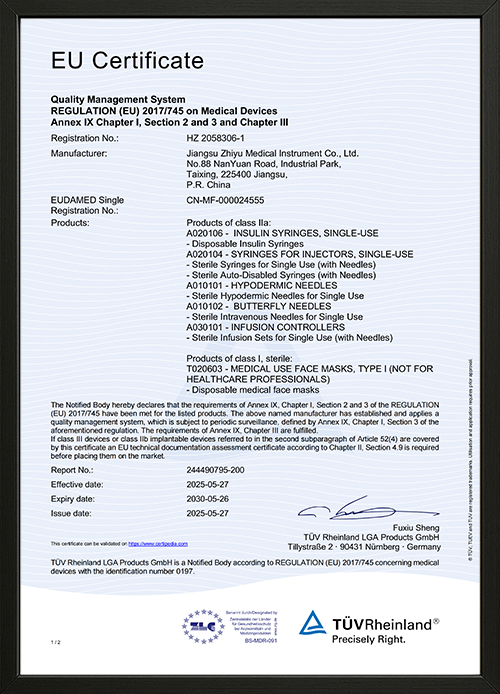
EU MDR Certificate - Regulation (EU) 2017/745
-
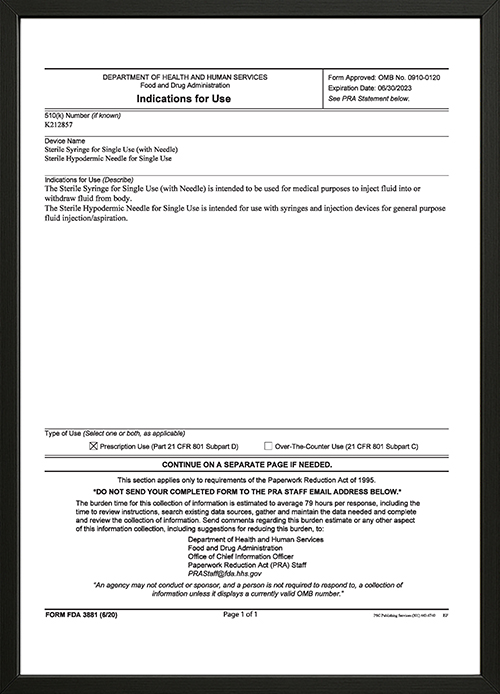
FDA 510(k) Indications for Use - K212857
-
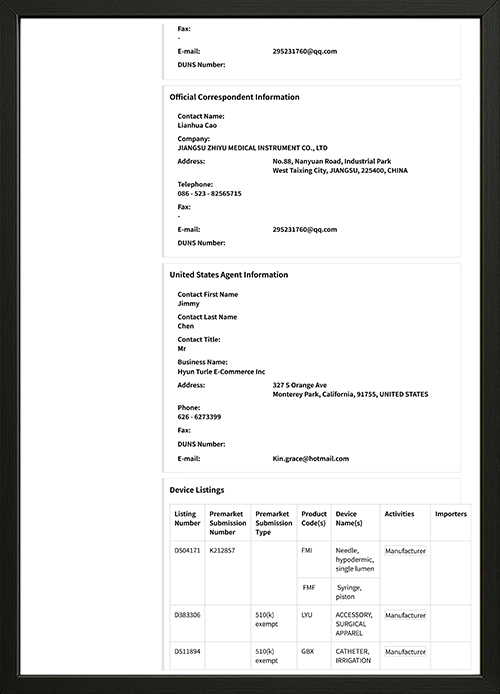
FDA Facility Registration 2026
-
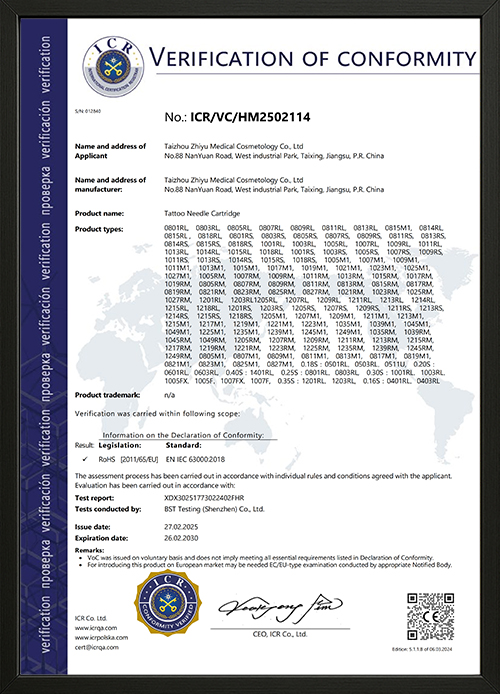
RoHS Verification
-
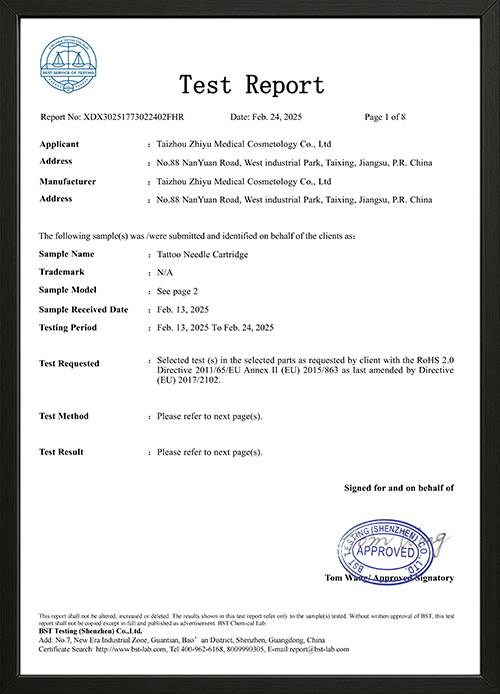
RoHS 2.0 Test Report
-
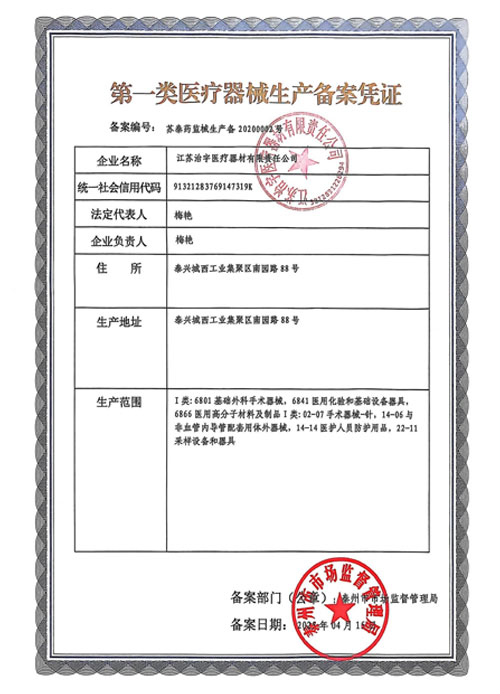
First Class Medical Device Production Filing Certificate
Message Feedback
News
-
Absorbable suture material is one of those quiet workhorses of surgery. It holds tissue together long enough for healing to begin, then disappears wi...
READ MORE -
Choosing between a No. 11 and a No. 15 scalpel blade is less about which blade is “better” and more about matching blade geometry to the cut you need...
READ MORE -
A B12 injection carries a very small volume of solution, often half a millilitre or less, yet the needle that delivers it decides how comfortable the...
READ MORE -
Vitamin B12 replacement looks simple on paper: a small-volume injection, a schedule, and a follow-up plan. In practice, the phrase “b12 dosing im” ra...
READ MORE
Industry Knowledge
Microneedling & Tattoo Products Manufacturer for Aesthetic and Body Art Supply
Jiangsu Zhiyu Medical Instrument Co., Ltd. manufactures Microneedling & Tattoo Products as part of our Medical Aesthetic Consumables range, alongside our core disposable medical consumables lines. The range covers sterile microneedle rollers, stamp-type microneedle applicators, disposable sterile tattoo needle cartridges and sterile disposable body piercing needles.
These products serve skin management clinics, home beauty and e-commerce retail channels, scalp and hair care programmes, tattoo studios, PMU institutions, piercing practitioners, brand owners and professional consumables distributors. Our manufacturing base in Taixing, Jiangsu combines injection molding, assembly, testing and packaging, which lets us support serialized supply, private label programmes and project-based development from sampling through to volume production.
Our Microneedling & Tattoo Product Range
Each product type in this category addresses a defined working method and channel. We keep specifications, needle geometry and packaging options explicit so that assortment planning and repeat ordering stay predictable.
Sterile Microneedle Roller
Roller format for larger treatment areas such as face, scalp and body. Suited to skin management channels and home-care retail programmes where even needle distribution and smooth rolling matter.
Microneedle Applicator (Stamp Type)
Point-pricking format for localized, focused treatment of specific zones where a roller is less controllable.
Disposable Sterile Tattoo Needle Cartridge
Cartridge system for tattoo and PMU work, covering RL, RS, RM and M1 configurations for outlining, shading, filling and shadow transitions.
Sterile Disposable Body Piercing Needle
Single-use piercing needles that extend the range into body art and piercing studio supply.
Application Fit Across Beauty, PMU and Tattoo Channels
Microneedling works by creating controlled micro-channels in the skin surface, which supports skin renewal and improves absorption of topical formulations. Published dermatological reviews describe the same principle as collagen induction therapy, with micro-injuries triggering the skin's own repair response. That mechanism is why needle length, needle diameter and tip condition are the variables that decide whether a roller or stamp suits a given protocol.
Tattoo and PMU work depends on a different set of variables: needle configuration, taper, diameter and tip sharpness determine pigment delivery, line rendering and shading behaviour. Cartridge needles dominate professional supply because they combine a stable needle with a hygienic housing and a protective membrane that limits liquid backflow toward the machine.
- Skin management and clinic protocols: roller and stamp formats in shorter working lengths for controlled surface treatment.
- Home beauty and e-commerce retail: roller products organized by theme — face, scalp, hair care, beard care — with clear consumer-facing specification logic.
- Scalp and hair care programmes: roller formats used alongside serums and treatment regimens.
- Tattoo studios: cartridge needles across liner, shader and magnum families for outlining, filling and soft transitions.
- PMU and semi-permanent makeup: fine-diameter cartridges where pigment implantation precision and consistency decide the result.
- Piercing and body art: single-use sterile piercing needles.
Specification Matrix: Matching Product Type to Working Requirement
| Product Type | Typical Application | Key Specification Variables | Channel Focus |
|---|---|---|---|
| Sterile Microneedle Roller | Face, scalp and body surface treatment over larger areas | Needle length, needle diameter, needle count, roller width, sterility | Clinics, skin management, home beauty retail |
| Microneedle Applicator (Stamp Type) | Localized, focused treatment of defined zones | Needle length, head geometry, actuation feel, sterility | Professional skin management, targeted protocols |
| Disposable Sterile Tattoo Needle Cartridge | Outlining, shading, filling, shadow transitions, detail shaping | Needle type (RL / RS / RM / M1), diameter, taper, membrane structure | Tattoo studios, PMU brands, wholesalers, private label |
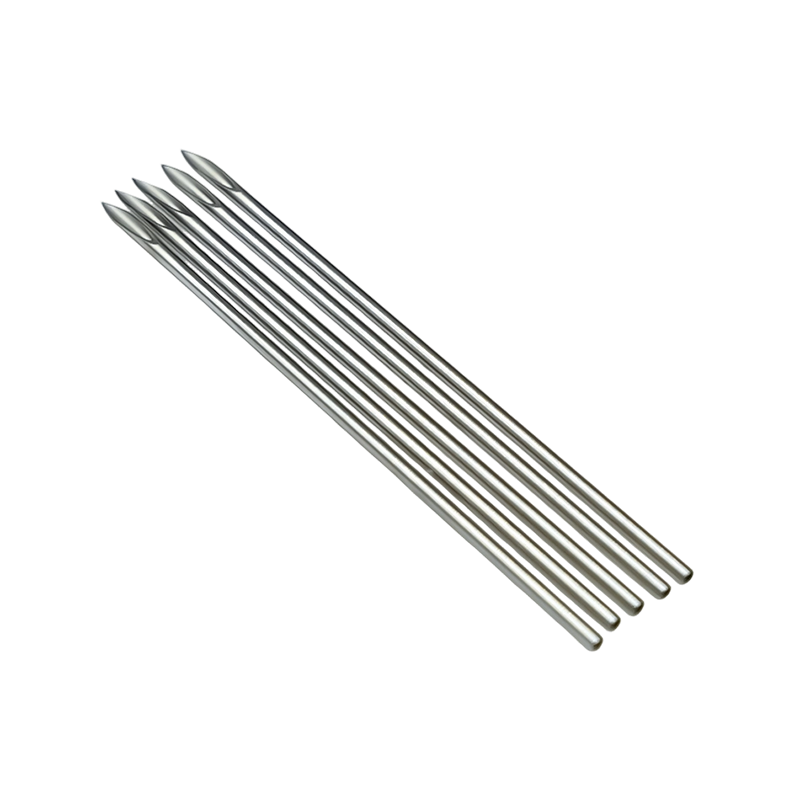
| Sterile Disposable Body Piercing Needle | Piercing procedures and body art supply | Gauge, length, bevel geometry, individual sterile packaging | Piercing studios, body art distributors |
Materials and Structural Design
Cartridge and applicator housings are produced in medical-grade polymer systems, with PC, POM and TPE used according to the structural role of each part. Needles are made from 304 and 316L stainless steel, selected for tip sharpness retention and stable movement through the housing.
- Abrasion-resistant housings that limit plastic debris during high-cycle use.
- Protective membrane systems in cartridges to reduce liquid backflow into the machine.
- Stable needle seating so tip position stays consistent across a full cartridge.
- Smooth needle tip movement for predictable pigment flow and line control.
For microneedling formats, the design priorities are even needle distribution across the roller or stamp head, consistent penetration depth, and a body that can be handled and cleaned according to the intended use case. Home-use roller designs typically emphasize shorter working lengths and straightforward maintenance.
Manufacturing, Sterility and Quality Control
Zhiyu operates a collaborative production system covering injection molding, assembly, testing and packaging on related product lines, supported by automated equipment and online inspection. Production runs in controlled cleanroom conditions, with sterilization applied to applicable single-use products.
- Incoming material inspection, in-process inspection and final product inspection.
- In-house laboratory and testing centre with structured inspection workflow.
- Automatic vision inspection and online monitoring at key production stages for applicable products.
- Retained samples preserved through shelf life plus an additional two years, with inspection records and quality reports archived.
Regulatory documentation is scope-specific. Our quality system documentation includes ISO 13485:2016 certification, EU MDR quality management system certification, FDA 510(k) clearance for specified sterile syringe and hypodermic needle products, FDA establishment registration and device listing, RoHS verification and a First Class Medical Device Production Filing Certificate. Applicable documents are confirmed per product and target market rather than assumed across the whole catalogue.
OEM/ODM, Private Label and Packaging Support
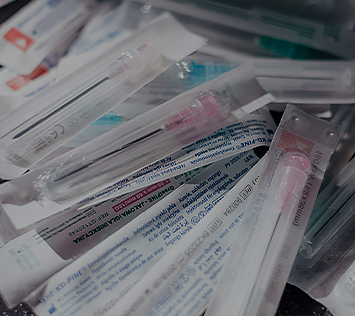
Beyond standard supply, we support brand owners and distributors who need a differentiated product rather than a catalogue item. Our project support covers product matching and assortment planning, specification confirmation and extension, packaging adaptation and development, private label support, structural optimization, mold development for applicable projects, and customized product development.
Packaging can be adapted across neutral packaging, colour box formats, blister and PE bag options, and multilingual label design. For private label programmes we evaluate the packaging solution against product positioning, market demand and project objectives, then coordinate sampling and validation before volume production.
Information We Use to Configure Your Solution
A precise proposal depends on the working point, not on a product name alone. We use the following inputs to select specifications, confirm feasibility and prepare a quotation.
| Input | What It Determines |
|---|---|
| Product type and application scenario | Whether a roller, stamp, cartridge or piercing needle format fits the protocol |
| Needle type, gauge, diameter and length | Treatment depth, pigment delivery behaviour and product configuration |
| Target market and regulatory requirement | Which documentation applies and how the product is positioned for that market |
| Packaging format and private label requirement | Packaging development scope, label design and brand presentation |
| Estimated order quantity and delivery schedule | Production planning, batch scheduling and supply continuity |
| Drawings, photos or reference samples | Structural evaluation, mold development need and sampling direction |
Related Consumables from Our Wider Range
Aesthetic and body art customers often consolidate purchasing across adjacent categories. Our Aesthetic Needles & Cannulas range covers blunt-tip microcannulas, single-use injection needles and 2-way medical stopcocks used in the same treatment environments. For clinical and general supply programmes, our Medical Consumables range covers syringes, needles, infusion sets and protective products under the same manufacturing and quality framework.
Frequently Asked Questions
Are you a manufacturer or a trading company for microneedling and tattoo products?
We are a manufacturing-oriented company. Jiangsu Zhiyu Medical Instrument Co., Ltd. was established in 2005 in Taixing, Jiangsu, and produces disposable medical consumables together with selected aesthetic, tattoo, dental and pet consumable lines. Injection molding, assembly, testing and packaging are handled within our own production system.
Which needle types do your tattoo cartridges cover?
Our cartridge system covers RL, RS, RM and M1 configurations, with common needle diameters of 0.25 mm, 0.30 mm and 0.35 mm. Round liners suit outlines and detail work, while soft edge magnum and round magnum configurations suit soft shadows and colour transitions. We confirm the exact configuration against your intended working method before quoting.
Can you produce microneedle rollers and cartridges under our own brand?
Yes. We support private label and OEM/ODM cooperation covering packaging adaptation, specification extension, structural optimization and customized product development. Projects move from requirement evaluation through sampling and validation to volume production, with packaging developed around your brand positioning and market.
Do all products in this category carry FDA or CE documentation?
No. Regulatory scope differs by product line. Our documentation includes ISO 13485:2016 certification, EU MDR quality management system certification, FDA 510(k) clearance for specified sterile syringe and hypodermic needle products, FDA establishment registration and device listing, and RoHS verification. We confirm which documents apply to your specific product and target market during project evaluation.
What information do you need to prepare a quotation?
Product name, needle type or gauge, dimensions, packaging requirement, target market, estimated order quantity, and whether OEM or private label is needed. Drawings, photos or reference samples help where a customized structure is involved. Sharing the application scenario early lets us evaluate development and production requirements more accurately.
Can I request samples before placing a production order?
Yes. For standard products, samples can usually be arranged from existing specifications. For customized projects, confirming the application scenario, specification requirements, packaging method and target market first allows us to prepare a more suitable sample or trial solution. Sample freight is normally borne by the customer.
Related Products and Categories
Our portfolio also includes Products for applications with different operating ranges, interfaces or integration requirements.
OEM & ODM Support Beyond Standard Supply
As Custom Microneedling Products Factory in China, Zhiyu can provide OEM/ODM cooperation support around different product lines, covering packaging adaptation, specification expansion, mold
development, structural optimization, and customized product development. Relying on our project-based supporting capabilities, we help
customers smoothly advance product concepts to sampling, validation, and large-scale production.

Focusing on the manufacturing of disposable consumables, Zhiyu provides stable supply, flexible OEM/ODM cooperation, and project-based support
around global customer needs.
-
No.88, Nanyan Road, Industrial Park, West Taixing City, Jiangsu Province

-
+86-523-82565721

+86-13815970397 -
zy01@zymedical.com

Copyright ©
Jiangsu Zhiyu Medical Instrument Co., Ltd. Approval No: 苏泰药监械生产备20200002号 This website is aimed at regions outside of China
