


 русский
  عربى
عربى  中文简体
中文简体






Industry Knowledge
Medical Protective Products Manufacturer for Clinical, Institutional and Channel Supply
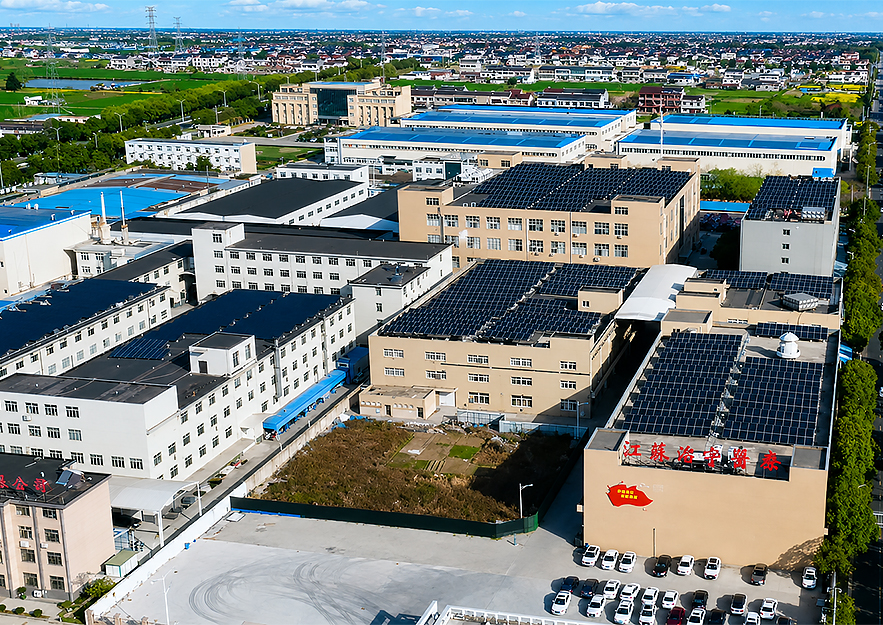
Jiangsu Zhiyu Medical Instrument Co., Ltd. manufactures Medical Protective Products as part of our disposable consumables portfolio, covering medical face masks and disposable isolation gowns. The range serves hospitals, clinics, nursing homes, laboratories, primary healthcare units and general protective environments, and it is structured for institutional procurement, project supply, inventory programs and distribution channels.
Protective products sit inside our broader Medical Consumables manufacturing system, which also includes injection, infusion and needle product lines. That shared base — cleanroom production, automated equipment, in-line inspection and standardized quality control — is what allows us to hold consistent output across repeat batches rather than treating masks and gowns as isolated items.
Positioning: a basic protection system rather than a loose list of items — graded masks plus isolation gowns, supplied under one catalog, one packaging logic and one supply rhythm.
Our Medical Protective Products Range
Each product type in this category answers a different protection level and usage environment. We keep the hierarchy explicit so that a catalog, tender list or project schedule can be built directly from it.
| Product | Typical Application | Supply Role |
|---|---|---|
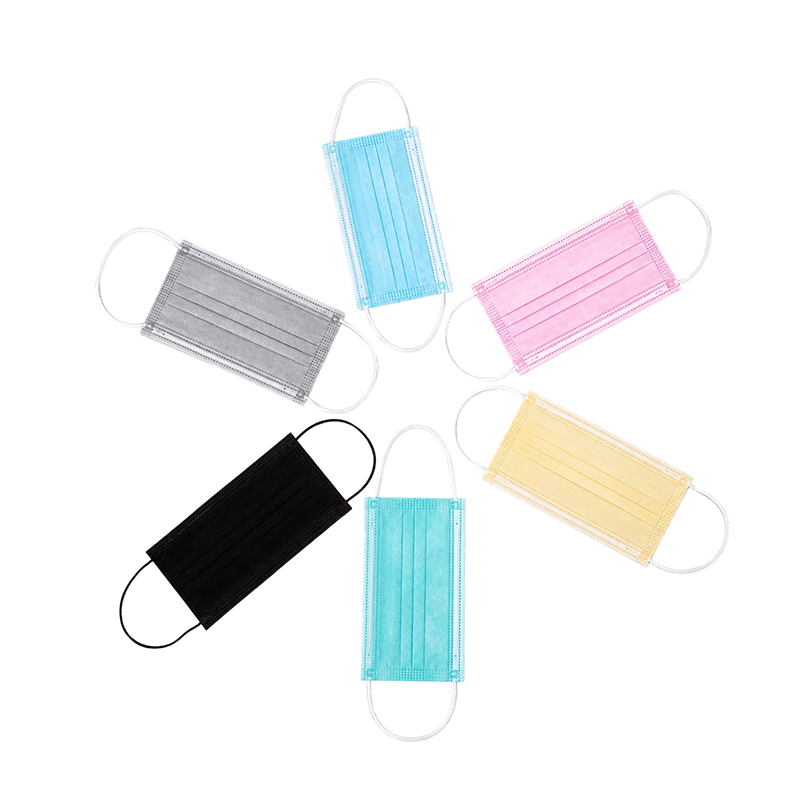
| Disposable Medical Face Mask Type I | Daily medical protection, general non-critical environments | High-frequency institutional and retail item |
| Multi-layer Filtration Face Mask Type II | Clinical service areas requiring bacterial filtration | Core clinical protection line |
| Disposable Medical Protective Face Mask Type IIR | Splash-prone procedures, wards, isolation rooms | Higher-barrier clinical protection |
| FFP2 Protective Mask | Particle filtration in clinical and laboratory settings | Respiratory protection for regulated markets |
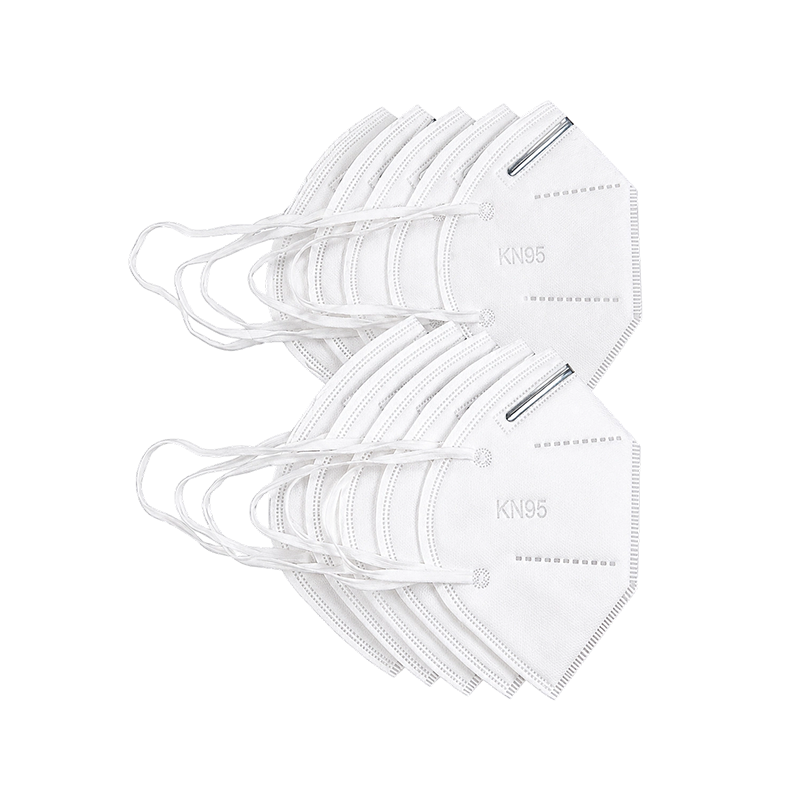
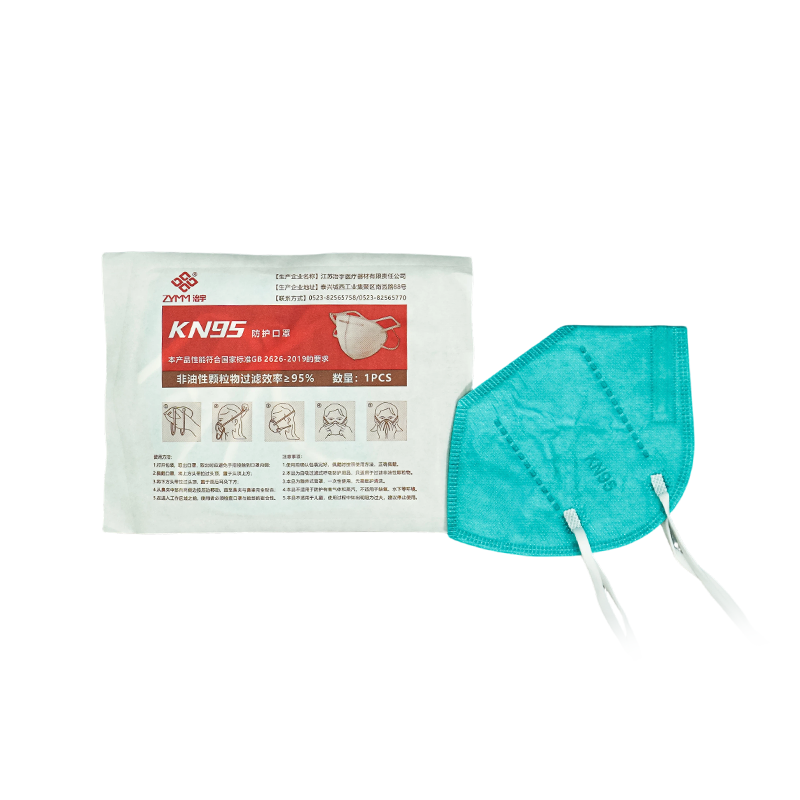
| N95 Protective Mask | High-risk exposure, aerosol-generating environments | Top-tier filtration in the mask range |
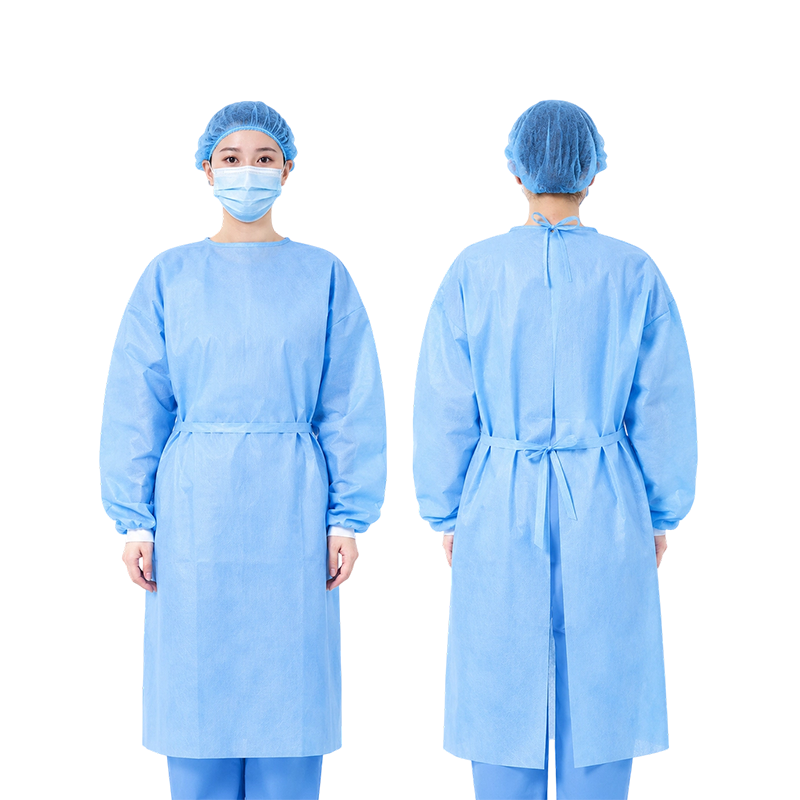
| Disposable Isolation Gown | Nursing, isolation, laboratory and general working environments | Barrier protection paired with mask supply |
Because masks and gowns are frequently purchased under the same catalog or project requirement, we treat them as a combined supply scope. That keeps usage standards, packaging logic and delivery scheduling aligned across the whole protective line.
Application Fit Across Care Settings
Protective products cover nearly every medical and nursing workflow, from basic care and daily contact to droplet protection and general isolation. The practical question is not whether a mask or gown is needed, but which grade and structure match the working environment.
- Hospitals and clinics: graded masks for routine service, plus Type IIR and N95 for splash or aerosol exposure; isolation gowns for ward and procedure use.
- Nursing homes and primary healthcare units: Type I and Type II masks for daily contact, with gowns for care and cleaning routines.
- Laboratories: particle filtration masks and gowns for controlled working environments.
- Distribution and retail channels: clearly tiered masks that are easy to shelve, explain and reorder.
- Project and tender supply: a complete protective scope delivered against one specification list and one delivery plan.
Materials, Structure and Critical Specifications
Mask performance is decided by the filtration layer stack, the nose wire and the ear-loop or head-band construction. Gown performance is decided by the fabric weight, the closure type and the seam and cuff finishing. These are the variables we confirm before a production run is scheduled.
- Filtration structure: single-layer through multi-layer melt-blown and non-woven combinations
- Mask grade: Type I, Type II, Type IIR, FFP2 or N95, matched to the target market
- Wearing format: ear loop, head band, tie-on, with or without adjustable nose clip
- Gown construction: fabric weight, neckline and waist closure, cuff type, seam finish
- Size and fit range: adult and pediatric sizing where the product line supports it
- Sterility status: non-sterile protective items versus sterile-packed clinical consumables
Manufacturing, Quality Control and Acceptance
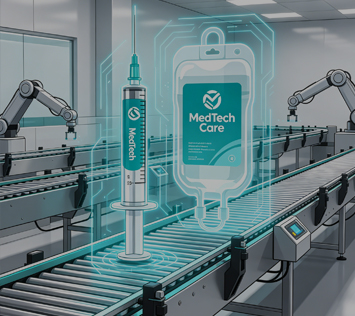
Zhiyu runs a collaborative production system covering injection molding, assembly, testing and packaging on related product lines, supported by cleanroom production and automated equipment. For protective products, the emphasis is consistency: the same filtration stack, the same fit and the same packaging behavior from the first batch to the repeat order.
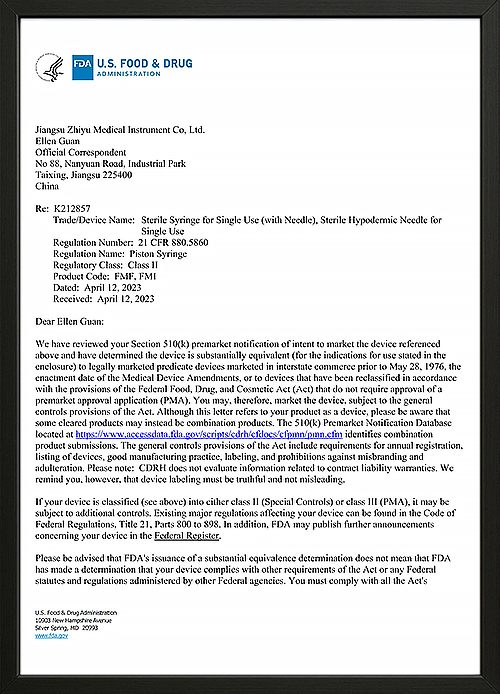
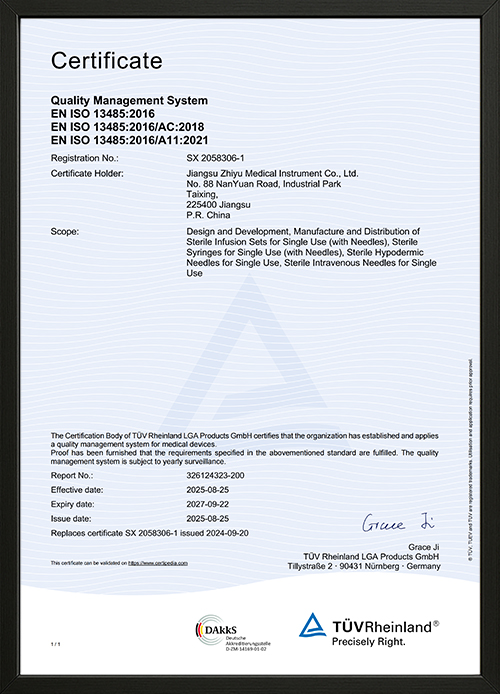
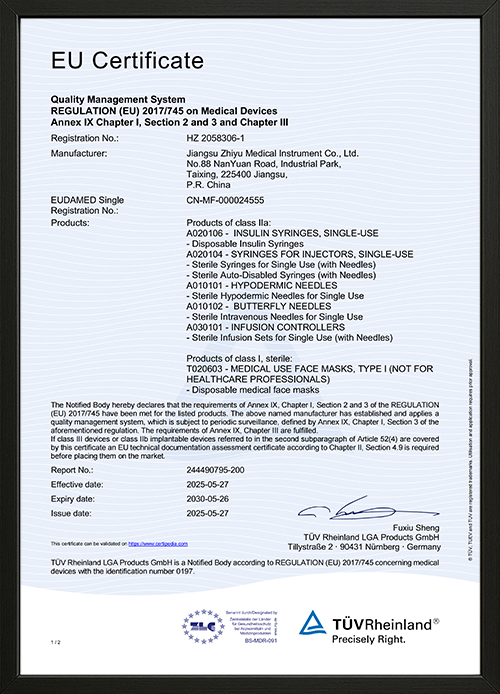
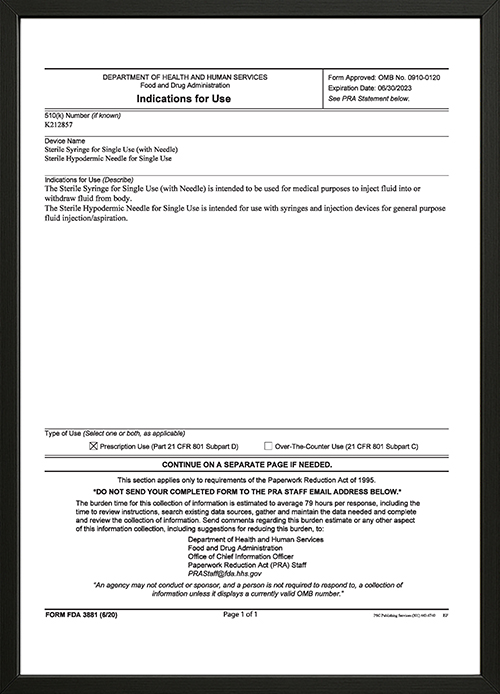
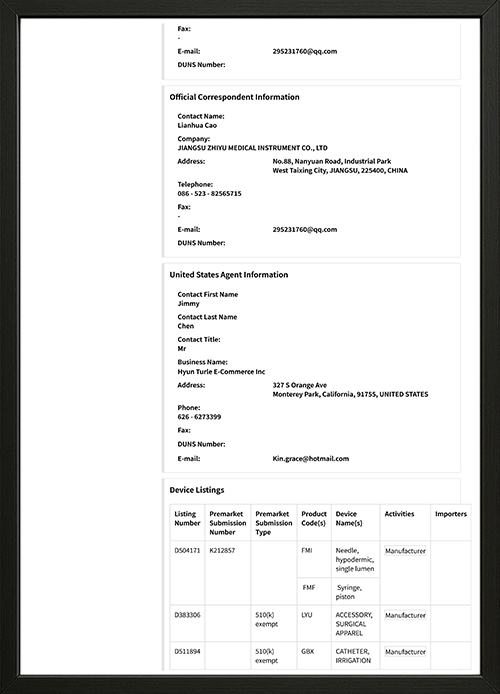
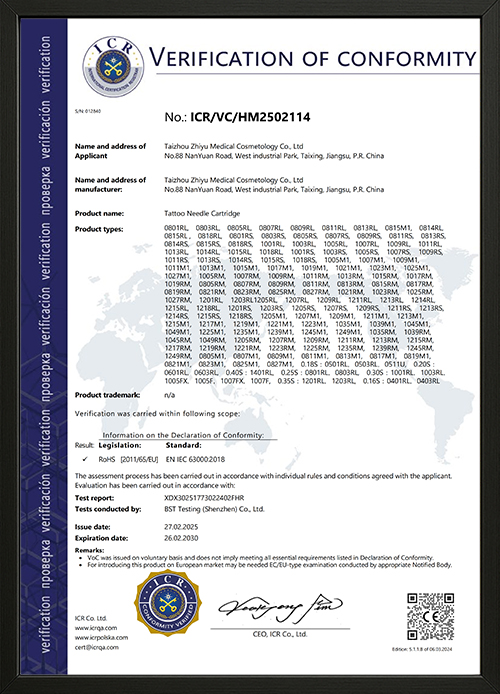
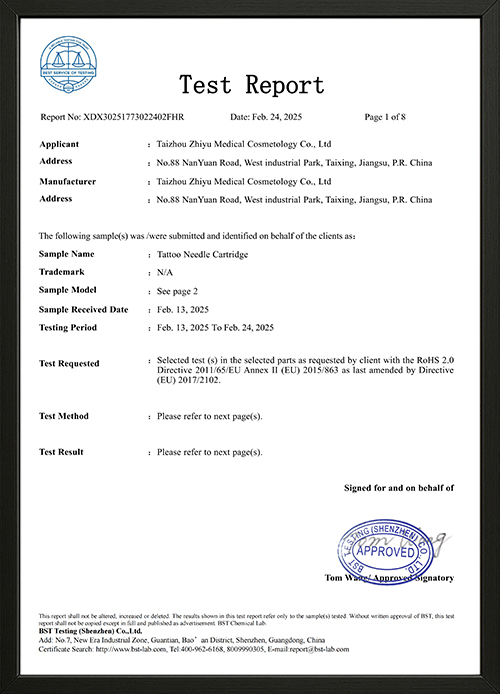
Quality control follows a structured workflow across incoming material inspection, in-process inspection and final product inspection, with retained samples and archived inspection records. For applicable products, automatic vision inspection and online monitoring at key stages strengthen batch consistency. Documentation currently available for applicable product lines includes ISO 13485:2016, EU MDR certification, FDA 510(k) clearance and FDA facility registration; the applicable scope depends on the specific product and target market, and we confirm it per project.
OEM, ODM and Packaging Configuration
Beyond standard supply, we support OEM and ODM cooperation around protective product lines. Packaging adaptation is usually the first lever: neutral packaging, color box, blister or PE bag formats, multilingual labels and private-label branding. Specification extension, structural optimization and mold development are evaluated for projects with clearly defined requirements.
Product matching
Assortment planning across mask grades and gown specifications for one catalog.
Packaging development
Bag, box and label formats adapted to market and shelf requirements.
Project coordination
From sampling and validation through to volume production.
Information We Use to Configure Your Solution
A protective product proposal is only as precise as the inputs behind it. We use the following project data to define the specification, packaging and production plan.
| Input | Why We Need It |
|---|---|
| Product type and grade | Determines filtration structure, construction and applicable documents |
| Target market and regulatory route | Defines which certification scope and labeling apply |
| Size, fit and wearing format | Sets tooling, elastic and nose-wire configuration |
| Packaging and private-label requirements | Drives bag or box format, label design and carton configuration |
| Estimated order quantity and delivery rhythm | Allows production scheduling and continuous supply planning |
| Drawings, photos or reference samples | Speeds up sampling and validation for customized projects |
Storage, Handling and Repeat Supply
Protective products are stored in original packaging, away from moisture, direct sunlight and contamination sources, and used within the marked shelf life. Retained samples are preserved through shelf life and for an additional two years according to our internal procedures, which supports traceability when a customer reviews a past batch.
For long-term programs, we plan repeat orders against the same confirmed specification and packaging, so that a reorder does not require re-approval of the product definition. Where a project spans multiple protective items, we coordinate the delivery schedule so masks and gowns arrive as one supply scope rather than separate shipments.
Related Product Lines
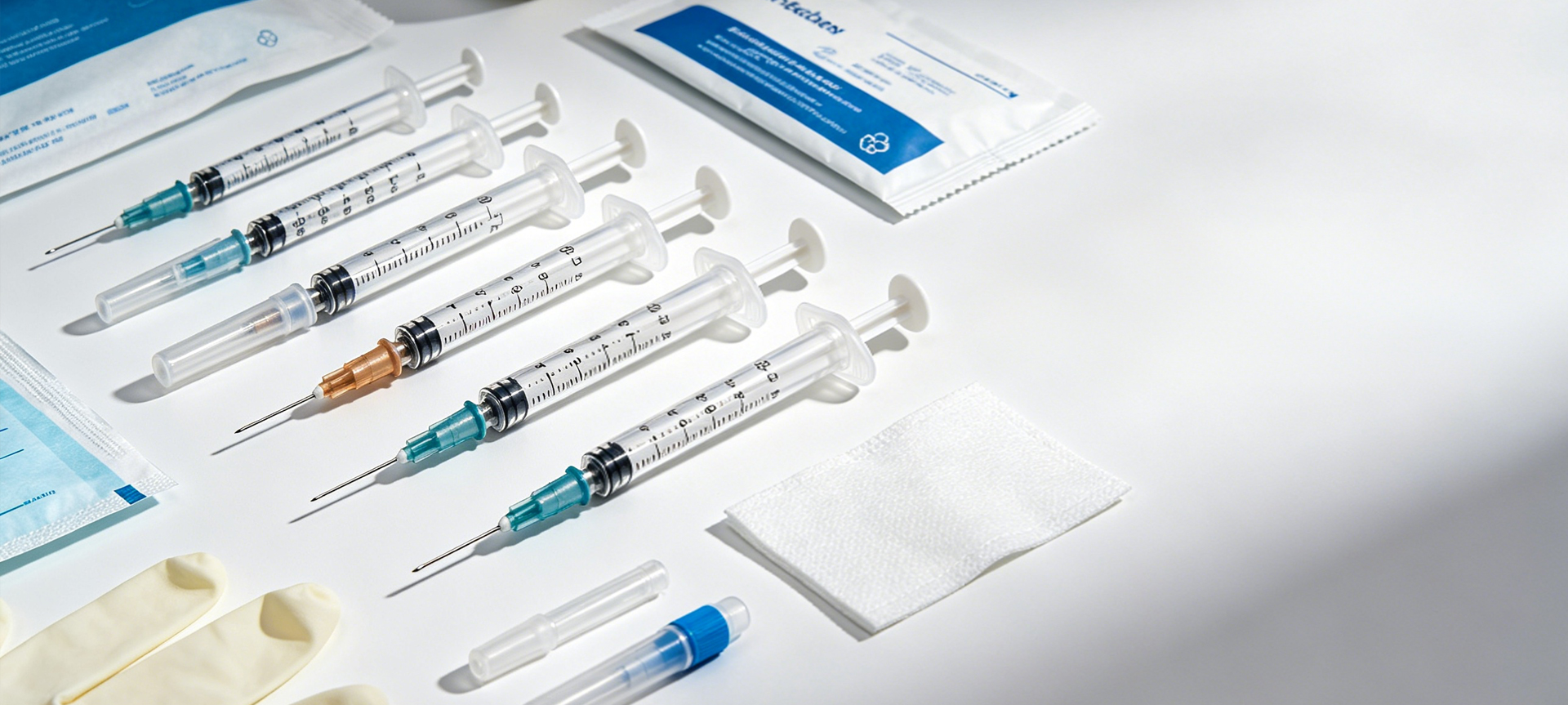
Protective products are frequently specified alongside other single-use items in the same clinical catalog. Our related ranges include Disposable Syringes, Infusion Sets and Medical Needles & IV Products, which allows a distributor or project client to consolidate several consumable lines under one manufacturing and documentation framework.
Frequently Asked Questions
Which mask grades can Zhiyu supply?
Our protective range covers Disposable Medical Face Mask Type I, Multi-layer Filtration Face Mask Type II, Disposable Medical Protective Face Mask Type IIR, FFP2 Protective Mask and N95 Protective Mask, together with Disposable Isolation Gowns. The grade is matched to the working environment and the regulatory route of the target market.
Can masks and isolation gowns be ordered as one combined supply scope?
Yes. Masks and gowns are commonly purchased under the same catalog or project requirement, so we plan them together to keep usage standards, packaging logic and delivery scheduling consistent across the protective line.
Do you support private-label and customized packaging for protective products?
We support packaging adaptation and packaging development, including neutral packaging, color box, blister and PE bag formats, multilingual labels and private-label branding. Specification extension and structural optimization are evaluated for projects with defined requirements.
What documentation applies to protective products?
Documentation currently available for applicable product lines includes ISO 13485:2016, EU MDR certification, FDA 510(k) clearance and FDA facility registration. The applicable scope depends on the specific product and target market, and we confirm it for each project before production.
How is quality controlled during batch production?
Production follows incoming material inspection, in-process inspection and final product inspection, with retained samples and archived inspection records. Automatic vision inspection and online monitoring at key stages are used for applicable products to strengthen consistency across batches.
What should be included in a first inquiry?
Product type and grade, size and wearing format, packaging requirements, target market, estimated order quantity, and whether OEM or private label is needed. Drawings, photos or reference samples help us move faster into sampling and validation.