русский
 عربى
 中文简体


30G Needle Size Explained: Diameter, Length, Flow Rate, and Common Uses
Content
A 30G needle is one of the finer hypodermic needles used in routine clinical, insulin, and aesthetic work. The “30” refers to needle gauge, not weight, and it tells you where the needle sits on a scale where higher numbers mean thinner tubing. That single number is useful, but it is only part of the story: length, wall thickness, hub design, and the fluid being injected all affect how a 30G needle performs in practice.
What 30G Means and Why the Number Is Counterintuitive
Needle gauge runs in reverse to what many people expect. A 30G needle is thinner than a 29G needle and thicker than a 31G needle. Its nominal outer diameter is approximately 0.31 mm, or about 0.012 inch. That makes it a fine-gauge needle, but not the finest available. The inner diameter is usually in the region of 0.15 mm to 0.17 mm, depending on whether the tubing is regular wall, thin wall, or extra-thin wall.
This is why “30g needle size” can be a confusing search. In a catalog, “G” means gauge. In a kitchen or laboratory note, “30g” may mean 30 grams. For medical needles, the gauge designation is the relevant measure, and the actual dimensions should always be confirmed against the manufacturer’s specification rather than inferred from the number alone.
30G Needle Dimensions at a Glance
| Specification | Typical 30G value | What it means |
|---|---|---|
| Gauge | 30G | A fine-gauge needle, thinner than 29G and thicker than 31G |
| Nominal outer diameter | About 0.31 mm (0.012 in) | The outside width of the needle tubing |
| Nominal inner diameter | About 0.15–0.17 mm | The flow path; wall thickness changes this value |
| Common lengths | 8 mm, 12.7 mm, 25.4 mm | Also written as 5/16 inch, 1/2 inch, and 1 inch |
| Typical use profile | Fine subcutaneous and aesthetic dosing | Comfort-oriented, but not a high-flow needle |
The inner diameter matters as much as the outer diameter. A thin-wall 30G needle can carry fluid more easily than a regular-wall needle of the same gauge, while still presenting a small outer profile. For anything beyond general guidance, ask for the exact inner diameter and wall specification.
Length Choices for 30G Needles
Short 30G needles, about 5/16 inch or 8 mm
Short 30G needles are often chosen for shallow subcutaneous injections and very fine dosing where depth control matters. They suit small-volume delivery and areas where a longer needle would add little practical benefit. The short length does not make the needle automatically safer or more comfortable; technique, skin thickness, and injection angle still matter.
Standard 30G needles, about 1/2 inch or 12.7 mm
The 1/2-inch 30G needle is a familiar size for subcutaneous insulin delivery and similar fine-gauge work. It offers a useful balance between reach and control. Many insulin syringes and pen needles use this general format, although the exact product design, dead space, and scale markings can differ significantly between suppliers.
Longer 30G needles, about 1 inch or 25.4 mm
A 1-inch 30G needle is less common for routine fine dosing, but it can be useful where deeper subcutaneous access is required and the fluid remains compatible with a narrow lumen. Longer fine-gauge needles are more prone to bending if handled carelessly, so straight insertion and controlled withdrawal are important.
Where a 30G Needle Works Well
Insulin delivery is one of the most familiar applications. A 30G needle is fine enough for many subcutaneous injection routines, while still allowing insulin to flow at a workable rate. People comparing 29G, 30G, and 31G needles often find that 30G is a practical middle point: finer than a 29G needle, but less restrictive than a 31G needle.
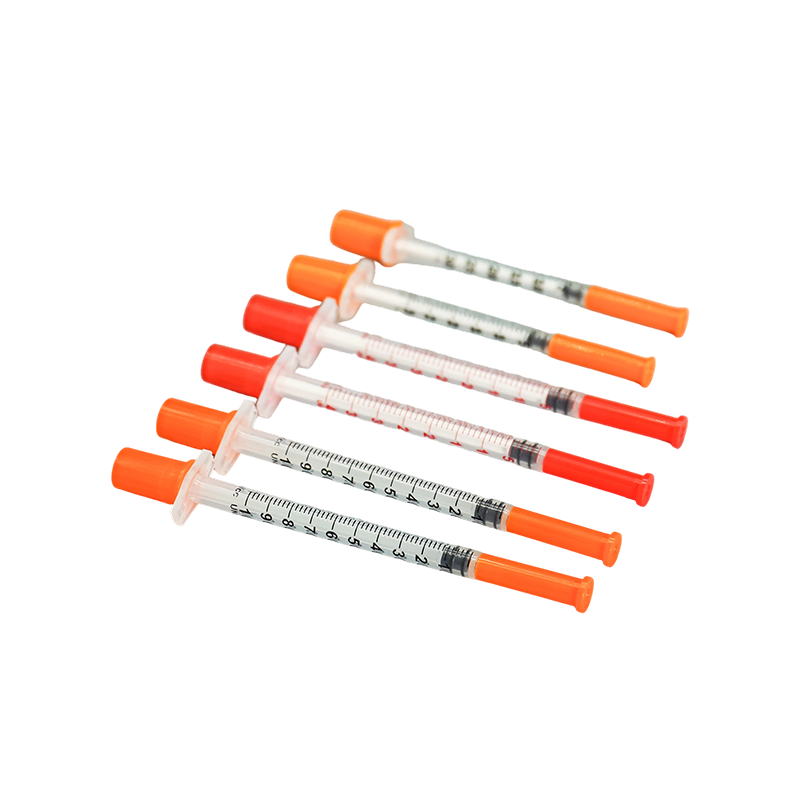 Disposable Insulin Syringe with Fine-Gauge Needle and Dose MarkingsFine-gauge fixed-needle syringe with 40 IU or 100 IU markings and 0.3–1 ml capacities, suited to daily insulin delivery.View Product →
In aesthetic practice, 30G needles are used for selected fine-volume injections and delicate work where a small entry point is desirable. They are not a universal choice for every filler or skin treatment, because viscosity and volume change the flow equation. Clinics often compare several gauges before settling on a protocol, and our beauty solution range reflects that practical need for different needle and cannula formats.
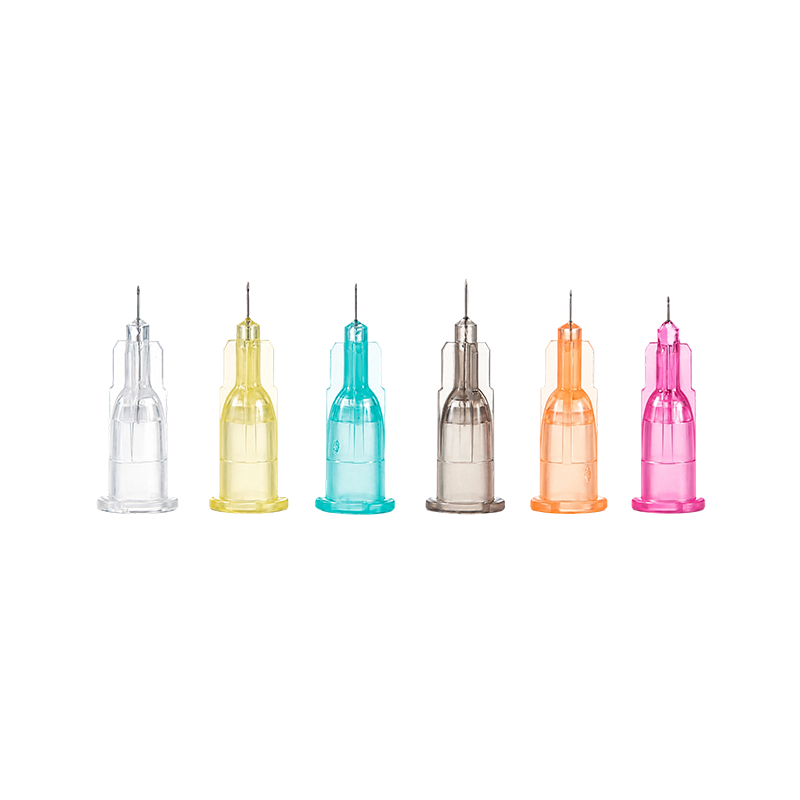 Sterile Single-Use Micro-Needle for Aesthetic InjectionsUltra-fine stainless steel needle in 30G–34G and 4–13 mm lengths, designed for precise, low-discomfort aesthetic injection work.View Product →
General subcutaneous injection is another common use. A sterile hypodermic needle in 30G can be appropriate for small-volume delivery when the prescribed technique and fluid are compatible with a fine lumen. The key is to match the needle to the medication, the injection depth, and the patient’s needs rather than choosing a gauge by habit.
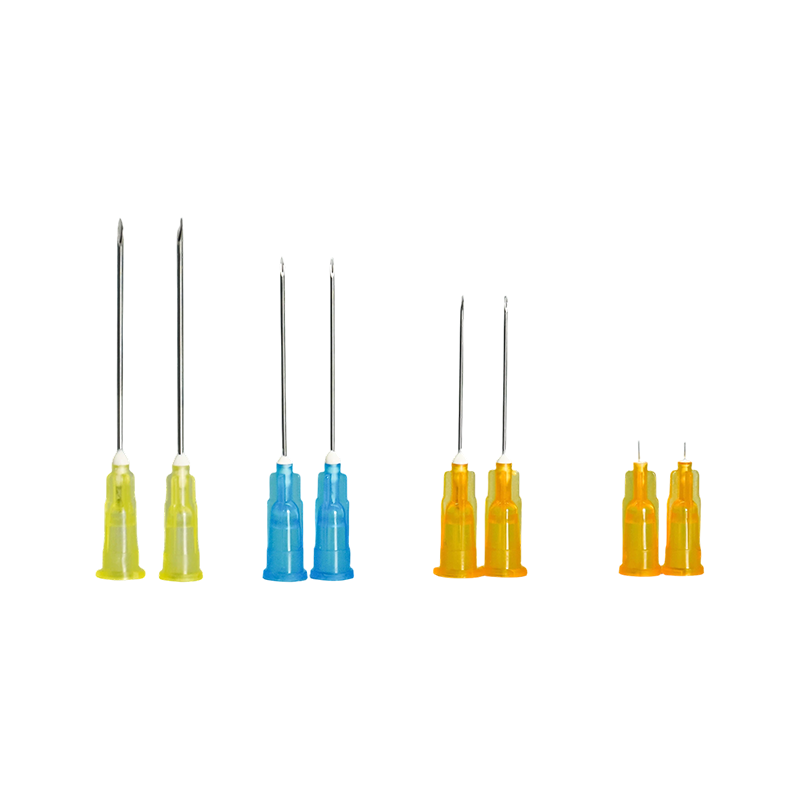 Sterile Single-Use Hypodermic Needle for Routine InjectionsSingle-use hypodermic needle with stainless steel cannula and PP hub, available in multiple gauges for routine injections and blood sampling.View Product →
What a 30G Needle Is Not Ideal For
A 30G needle is not usually the first choice for rapid large-volume infusion, very viscous solutions, or procedures that require a robust flow path. The narrow inner diameter creates more resistance, so a fluid that passes easily through a 21G or 23G needle may be slow or difficult through a 30G needle. Fine needles also bend more easily if the angle is poor or the needle is reused, which is why single-use handling and careful technique matter.
30G vs 29G vs 31G: A Practical Comparison
| Gauge | Approximate outer diameter | Practical effect |
|---|---|---|
| 29G | About 0.33 mm | Slightly thicker and generally easier for flow |
| 30G | About 0.31 mm | A balance between fine entry and workable flow |
| 31G | About 0.26 mm | Finer entry, but slower flow and more fragility |
Higher gauge does not automatically mean a better experience. A 31G needle may look more comfortable on paper, but a 30G needle can be the more sensible choice when the fluid needs a little more room to move. In the same way, a 29G needle may be preferable when flow is more important than the finest possible profile.
How to Choose and Verify a 30G Needle
- Define the use: insulin, general subcutaneous injection, aesthetic fine dosing, or another application.
- Check the fluid: viscosity and volume are as important as gauge.
- Select the length: 8 mm, 12.7 mm, and 25.4 mm serve different depth requirements.
- Confirm wall type and inner diameter, not just the 30G label.
- Review sterility, packaging, and applicable regulatory documentation for the exact product.
- Run a small trial before committing to a full production or clinical program.
Since 2005, our team has worked with disposable syringes, hypodermic needles, and related consumables for medical and selected non-medical applications. That experience makes us cautious about shorthand: “30G” is a starting point, not a complete specification. For buyers comparing formats, our medical solution pages show how needle, syringe, and infusion products sit alongside one another. A useful next step is to confirm the exact dimensions, packaging format, and intended use before choosing a 30G needle for a new program.
Frequently Asked Questions
Is 30G thicker than 31G?
Yes. A 30G needle has a larger outer diameter than a 31G needle. The gauge scale is inverse, so the lower number is the thicker needle.
What is 30G in millimeters?
The nominal outer diameter is approximately 0.31 mm. The inner diameter is usually around 0.15 mm to 0.17 mm, depending on wall thickness.
Can a 30G needle be used for insulin?
Yes, 30G is a common fine-gauge option for insulin delivery. The right length and syringe format still need to be matched to the person and the prescribed routine.
Does 30g mean 30 grams?
Not in a needle catalog. The “G” stands for gauge. A 30G needle is defined by its gauge and dimensions, not by a 30-gram weight.
Related Product
Related NEWS