русский
  عربى
عربى  中文简体
中文简体


20 Units on an Insulin Syringe: How to Read, Measure, and Convert Safely
Content
- 1 What "20 Units" Means on a U-100 Insulin Syringe
- 2 Reading 20 Units on 0.3 mL, 0.5 mL, and 1 mL Barrels
- 3 Converting 20 Units to mL When Insulin Is Not U-100
- 4 Choosing the Right Syringe for a 20-Unit Dose
- 5 Common Mistakes That Shift a 20-Unit Dose
- 6 20 Units in Veterinary and Special Settings
- 7 A Short Checklist Before You Draw 20 Units
- 8 Sourcing Insulin Syringes in Volume
If your prescription says 20 units, the number on the syringe is not a volume in the everyday sense — it is a scale that matches the strength of the insulin in the vial. On a U-100 insulin syringe, 20 units is 0.2 mL, and that relationship holds whether the barrel holds 30 units, 50 units, or 100 units.
We have been manufacturing insulin syringes and other single-use medical consumables since 2005, and the questions we hear from nurses, pharmacists, and home users are almost always the same: where exactly is the 20-unit mark, and what happens if the syringe in hand is not the one that matches the vial. This guide answers both.
What "20 Units" Means on a U-100 Insulin Syringe
Insulin is prescribed in units because units describe biological activity rather than volume. The syringe barrel is printed to match one concentration, and the dominant standard today is U-100, meaning 100 units of insulin per milliliter.
That gives a simple set of conversions on any U-100 syringe:
- 100 units = 1 mL
- 50 units = 0.5 mL
- 20 units = 0.2 mL
- 10 units = 0.1 mL
So a 20-unit dose is 0.2 mL of U-100 insulin. If you are holding a general-purpose 1 mL syringe marked only in milliliters, 0.2 mL is where you stop. If you are holding an insulin syringe marked in units, you stop at the line printed 20 — no conversion needed, which is one of the reasons unit-marked syringes remain the safer choice for insulin.
Reading 20 Units on 0.3 mL, 0.5 mL, and 1 mL Barrels
The concentration does not change with barrel size, but the spacing of the graduation lines does. That is where most reading errors begin.
| Barrel size | Capacity | Smallest graduation | Locating 20 units |
|---|---|---|---|
| 0.3 mL | 30 units | 1 unit | The line printed 20, two-thirds of the way up the scale |
| 0.5 mL | 50 units | 1 unit | The line printed 20, near the middle of the barrel |
| 1 mL | 100 units | Often 2 units | Count in 2-unit steps to the tenth printed line |
Two things follow from the table. First, a 20-unit dose is easier to measure accurately on a small barrel, because each printed line equals one unit and the distance between lines is wider. Second, the barrel size never changes the dose itself — 20 units is 20 units in a 30-unit syringe and in a 100-unit syringe. What changes is how much room you have for a reading error.
Converting 20 Units to mL When Insulin Is Not U-100
U-100 is the standard, but U-40 and U-50 insulin are still used in some markets and in veterinary practice. The unit count stays the same; the volume it occupies changes.
| Concentration | Units per mL | Volume for 20 units |
|---|---|---|
| U-100 | 100 | 0.2 mL |
| U-50 | 50 | 0.4 mL |
| U-40 | 40 | 0.5 mL |
Drawing U-40 insulin into a U-100 syringe, or the reverse, produces a serious dosing error even though every line looks normal. Match the syringe scale to the concentration printed on the vial every time, and keep insulin units separate from international units, which belong to other medicines and follow a different conversion logic.
Choosing the Right Syringe for a 20-Unit Dose
For most adults taking 20 units, a 0.3 mL or 0.5 mL U-100 insulin syringe offers the best combination of accuracy and comfort. The rule of thumb is to use the smallest barrel that still holds the full dose, so you never have to draw twice or guess at a partly filled scale.
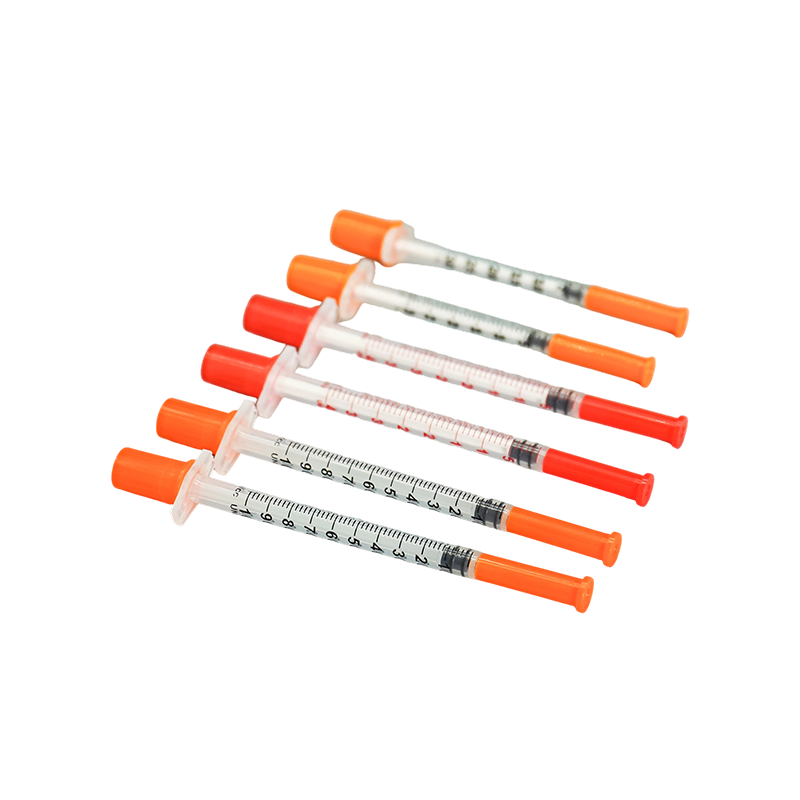 Disposable Insulin SyringeProduct Overview The Disposable Insulin Syringe is a precision injection device engineered specifically for insulin administration and other small-volume drug delivery...View Product →
Needle choice matters as much as barrel size. Short, fine needles in the 30G to 31G range with a 4 mm to 8 mm length are widely used for subcutaneous injection, and the right length depends on body type and injection site. Sterile, single-use construction and a smooth plunger action also make a practical difference: a plunger that moves in small jumps makes a 20-unit dose harder to set precisely than one that glides.
Common Mistakes That Shift a 20-Unit Dose
Most dose errors we see are not calculation errors; they are reading and handling errors. The usual suspects are:
- Reading the top of the liquid dome instead of the flat line of the plunger tip.
- Using a syringe printed for a different concentration than the vial.
- Leaving air in the barrel, so that part of the 0.2 mL is air rather than insulin.
- Reusing a syringe or needle, which dulls the point and blurs the scale over time.
- Estimating a position between two printed lines instead of using a barrel where 20 units falls on a line.
- Mixing two insulins without confirming the order and the air-flush step.
Each of these is easy to prevent with a quick check before the needle goes in.
20 Units in Veterinary and Special Settings
Pet insulin is also prescribed in units, and small patients often need doses in the same range as people. The catch is concentration: some veterinary insulin products are not U-100, so the same 20 units may occupy a different volume than it would on a human U-100 syringe.
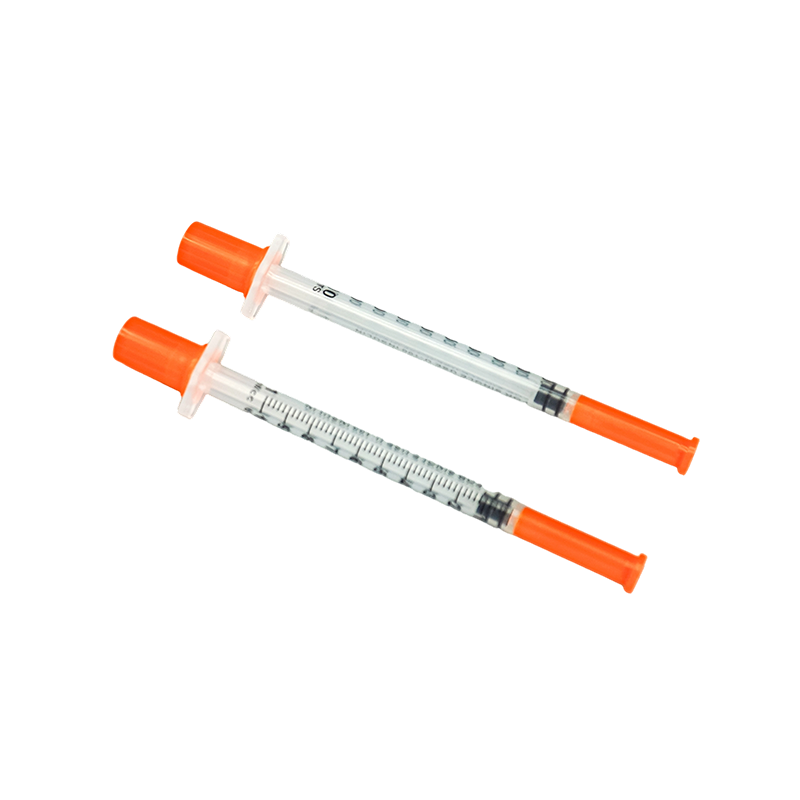 Veterinary Insulin SyringeProduct Overview The Veterinary Insulin Syringe is a precision small-volume injection device designed specifically for insulin administration and fine-dose drug delive...View Product →
For clinics that dose many animals in a day, unit-marked veterinary insulin syringes reduce the arithmetic at the table and lower the risk of a concentration mix-up between products.
A Short Checklist Before You Draw 20 Units
- Confirm the prescribed dose in units and the concentration printed on the vial.
- Confirm the syringe scale matches that concentration.
- Locate the 20-unit mark and check that the full dose fits the barrel.
- Check the package seal, the expiry date, and that the syringe is sterile and undamaged.
- Draw slowly, tap out air bubbles, and read the plunger tip at eye level.
- Use the syringe once, then dispose of it in a sharps container.
Sourcing Insulin Syringes in Volume
For pharmacies, distributors, and clinic groups that order in quantity, the details behind a syringe matter as much as the ones printed on it. As a manufacturer based in Taixing, Jiangsu, we build insulin syringes and a wider range of single-use consumables under a quality management system that covers applicable medical-device activities, with ISO 13485 certification, EU MDR quality management documentation covering insulin syringes and related product lines, and FDA establishment registration and device listing for the U.S. market. Regulatory references apply within the specific product scope stated in our documentation.
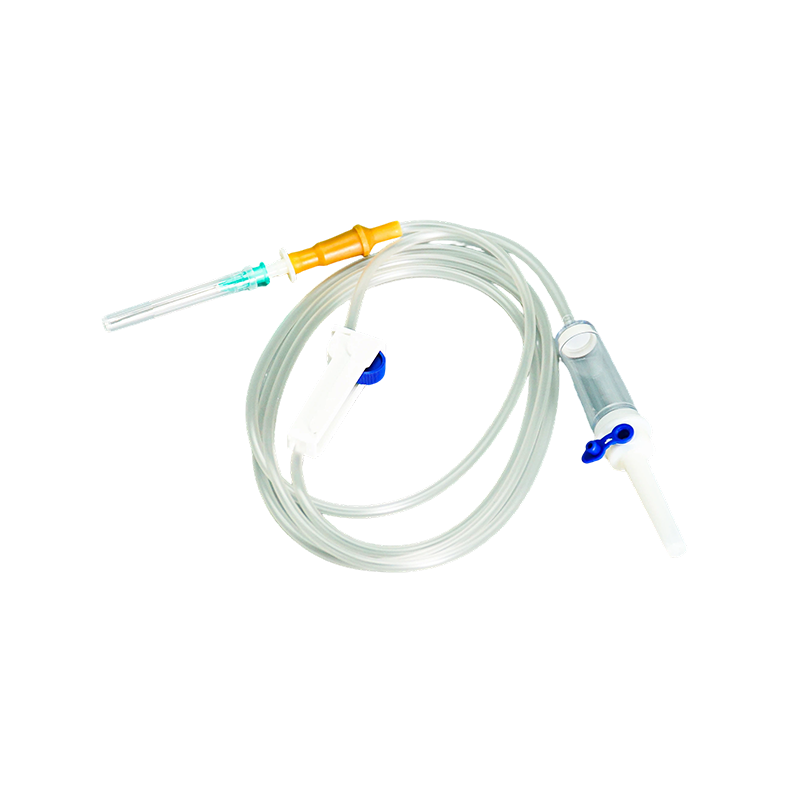
Alongside our insulin syringe range, we produce sterile syringes for single use with needle, auto-disable syringes, hypodermic and butterfly needles, and infusion sets — the adjacent lines that often ship in the same order.
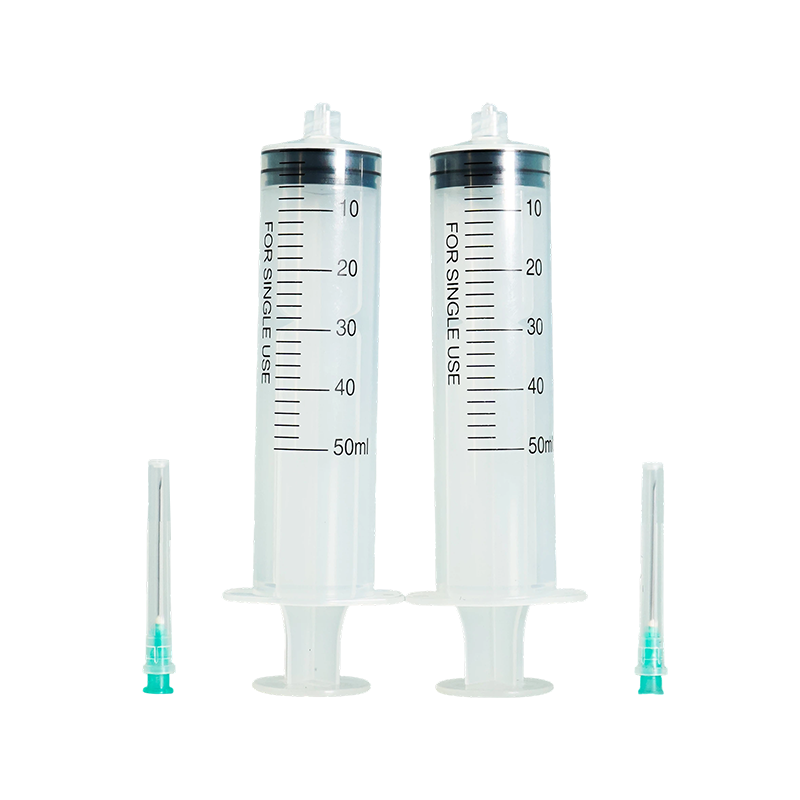 Sterile Syringe for Single Use (with Needle)Product Overview The Sterile Syringe for Single Use (with Needle) is a versatile, high-quality disposable injection device designed for standard clinical applications....View Product →
We also support OEM and ODM work, including packaging, for partners who need their own branding, and we can walk through a medical solution package that matches syringes to the way your clinic or program actually uses them. If you are still comparing suppliers, our guide to choosing a reliable medical consumables supplier covers the questions worth asking before the first pallet ships.
If a 20-unit dose is part of your daily routine or your product catalogue, the goal is the same on both sides: a scale that is easy to read, a concentration that is clearly labelled, and a syringe that behaves the same way every time.
Related Product

Related NEWS