Industry News
Content
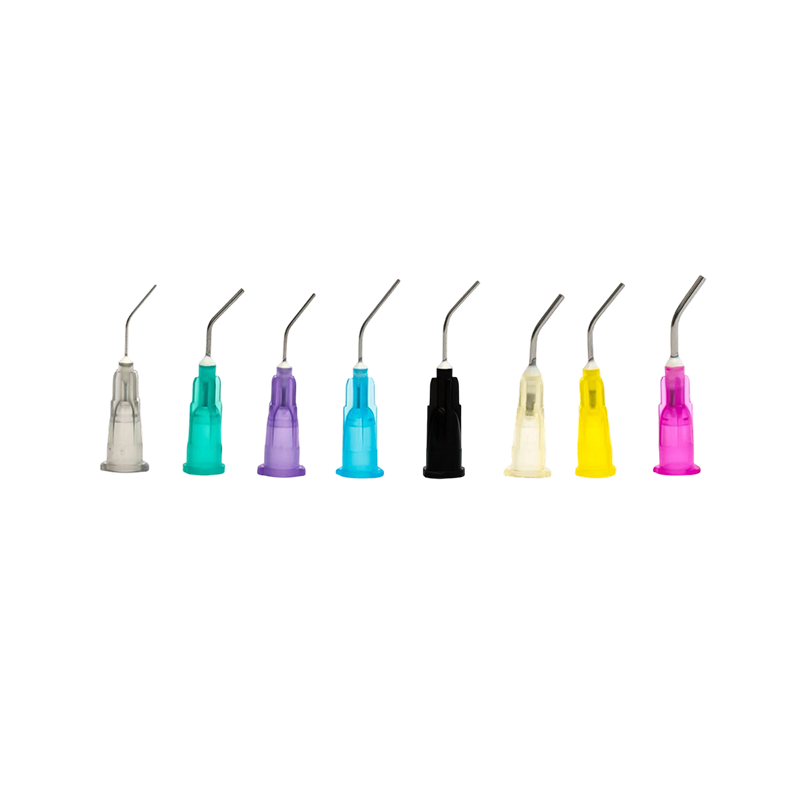
For dental clinics, endodontic specialists, and distributors, the disposable dental irrigation needle tip is a small component with outsized clinical importance. Used during root canal therapy, implant site cleaning, and general debridement, this single-use device directly affects irrigation efficacy, infection control, and procedural safety. This guide walks B2B buyers through the gauge specifications, safety standards, cost structure, and sourcing criteria needed to make an informed bulk purchasing decision.
Core Conclusion
A reliable disposable dental irrigation needle tip must combine a precisely calibrated side-vent or closed-end tip design, medical-grade biocompatible polymer or stainless steel construction, and validated sterility (EO-sterilized, single-use packaging). For bulk buyers, prioritizing gauge accuracy (typically 27G–30G) and side-venting design reduces the risk of apical extrusion — a leading cause of post-operative complications in endodontic irrigation.
Not every needle tip is suited for root canal irrigation. The following characteristics define a purpose-built disposable dental irrigation needle tip versus a generic hypodermic substitute.
A closed, rounded tip with a lateral opening reduces the risk of forcing irrigant (e.g., sodium hypochlorite) past the apex into periapical tissue.
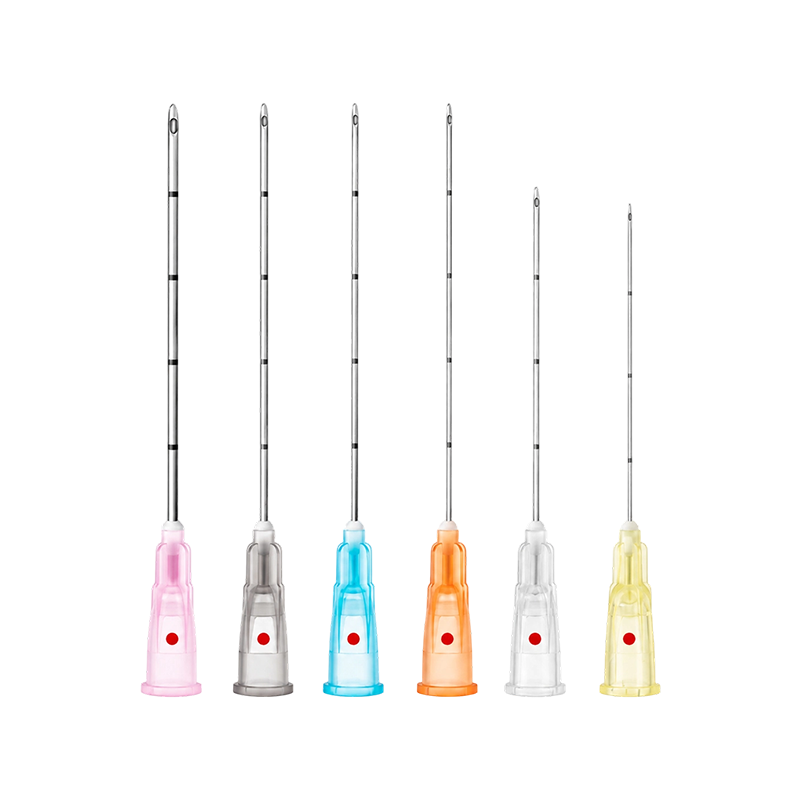
Common sizes range from 25G to 30G, with 27G–30G most widely used in narrow root canals to balance flow rate against canal accessibility.
The tip and hub must resist degradation from sodium hypochlorite, EDTA, and chlorhexidine — common irrigants that can weaken low-grade plastics over time.
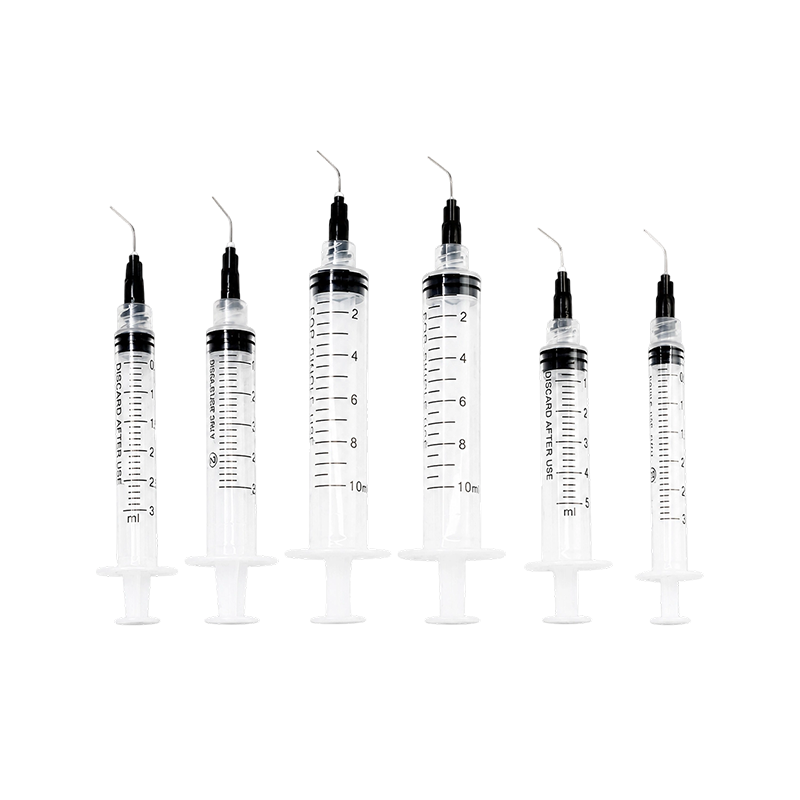
A secure Luer-lock or Luer-slip hub ensures the tip stays firmly attached to the syringe during irrigation, preventing detachment mid-procedure.
Buyers often ask which tip geometry to stock. The comparison below (built with flex rows for CMS safety) outlines the three most common designs available for dental irrigation.
*Comparisons are illustrative of common clinical usage patterns and may vary by manufacturer specification.
Beyond gauge and design, several secondary quality factors significantly affect clinical performance and procurement satisfaction. The chart below ranks their relative importance based on common dental procurement evaluation criteria.
90%
Tip Bevel Smoothness
80%
Hub-to-Needle Bond Strength
70%
Consistent Lumen Diameter
57%
Packaging Seal Integrity
45%
Color-Coded Gauge Labeling
Relative weighting of quality indicators in dental procurement evaluations
Tip bevel smoothness ranks highest because burrs or rough edges on a disposable dental irrigation needle tip can cause canal wall damage or uneven irrigant distribution, directly impacting treatment outcomes.
Understanding where demand concentrates helps distributors plan inventory. The chart below shows a representative breakdown of irrigation needle tip usage by procedure type.
Whether you're a distributor or a multi-chair clinic, follow this sequential process before finalizing a bulk purchase order.
Confirm which gauge sizes (25G–30G) and tip geometries (side-vent, open-end) your clinical protocols require before requesting quotes.
Confirm EO (ethylene oxide) or gamma sterilization validation, along with CE marking and ISO 13485 manufacturing certification.
Test flow rate, tip rigidity, and hub compatibility with your existing syringe systems before committing to bulk volume.
Request tiered pricing across order volumes (e.g., 1,000 / 10,000 / 50,000 units) and clarify lead time commitments for each tier.
Ensure individual sterile packaging, gauge color-coding, lot numbers, and expiration dates meet your regional labeling requirements.
Proper storage and handling extend shelf life and maintain sterility integrity for every disposable dental irrigation needle tip in inventory.
27G–30G side-vent tips are most commonly used for root canal irrigation, allowing the tip to reach closer to the apex while minimizing extrusion risk.
The closed, rounded end with a lateral opening directs irrigant sideways rather than straight down the canal, significantly reducing the chance of forcing solution past the apex.
Most disposable dental irrigation needle tips feature a Luer-lock or Luer-slip hub compatible with standard irrigation syringes, but buyers should confirm hub type before ordering.
No. These are single-use devices labeled for one-time use only. Reprocessing is not validated and voids sterility assurance and manufacturer warranty.
Look for ISO 13485 quality management certification, CE marking, and documented EO or gamma sterilization validation reports for each production batch.
MOQs vary by manufacturer, but many suppliers offer tiered pricing starting from a few thousand units, with better per-unit pricing at higher volumes.
Store in a cool, dry place away from direct sunlight, and inspect the sterile packaging for damage before each clinical use.
Established manufacturers with in-house tooling can often accommodate custom gauge sizes, private-label packaging, and color-coding requirements for distributors.
Choosing the right disposable dental irrigation needle tip comes down to matching gauge and tip design to clinical need, verifying sterility and certification, and testing samples before scaling to bulk orders. A structured sourcing process protects both patient safety and procurement budgets.
Jiangsu Zhiyu Medical Instrument Co., Ltd. manufactures certified disposable dental irrigation needle tips for clinics and distributors worldwide. Contact our team for specifications, samples, and bulk pricing.